The network’s most enduring procedural has become synonymous with shock exits, but the full truth behind the departures has remained locked inside soundstages and sealed NDAs. Now, whistleblowers, former cast members, and leaked internal accounts have exposed a pattern of exhaustion, creative neglect, and workplace fear that forced beloved actors off the set.
Sasha Alexander never wanted to leave. She was the cool, confident Kate Todd who grounded the original team. But the production schedule was brutal.
 Seventeen-hour days, year-round, with no breaks. After finishing another series just before NCIS, her body gave out. She went to producers not with demands but with an honest plea for rest.
The show let her go. Her character’s shocking on-screen murder became a warning sign no one recognized.
Lauren Holly’s exit was quieter but no less damning. She signed on as Jenny Shepard, the director with a history with Gibbs. The role promised power, mystery, and growth.
But after showrunner Don Bellisario left, the writing flattened. Holly admitted she became bored. The character stopped evolving.
She wasn’t fired. She wasn’t burned out. She was just done.
The writers killed her off in a gunfight, but the real death was creative stagnation.
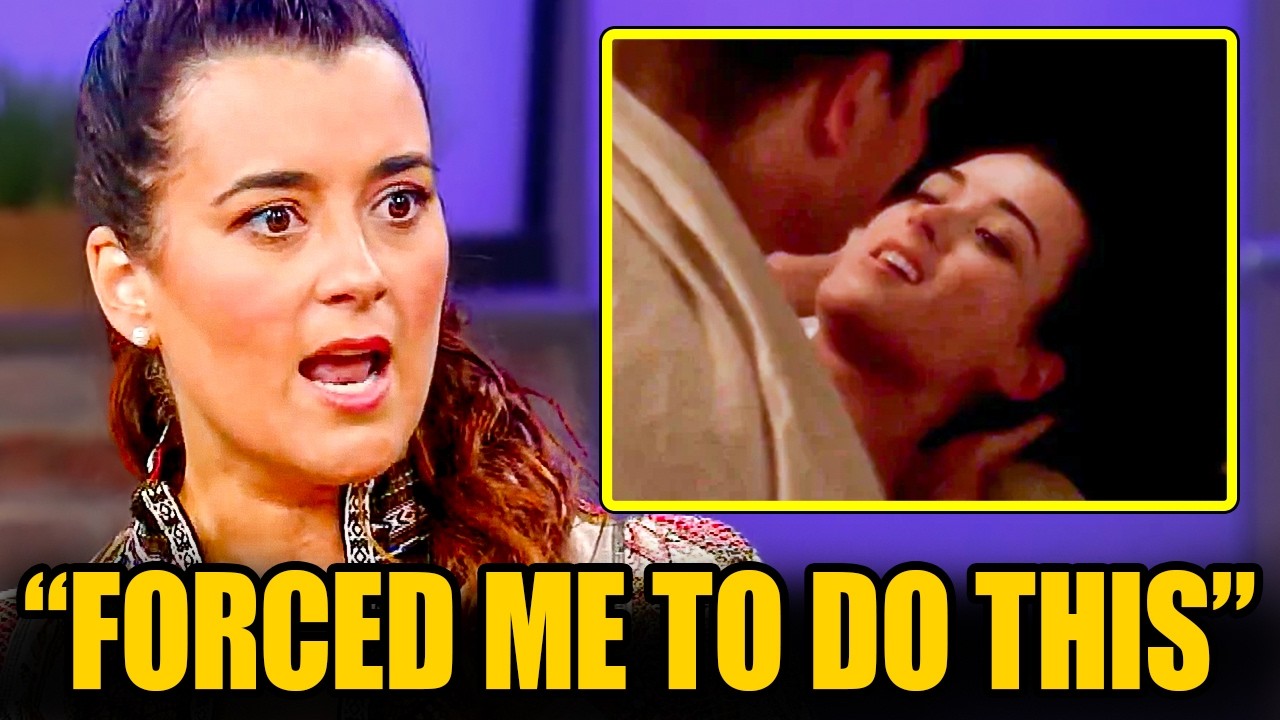
The most explosive departure came from Cote de Pablo. Ziva David was a phenomenon. Fans adored her.
The cast respected her. But de Pablo felt the writing no longer honored the complex character she had spent eight years building. She didn’t leave for money or screen time.
She left because she felt disrespected. She told colleagues that staying would mean betraying Ziva’s integrity. The showrunner later said he didn’t see it coming.
That silence spoke volumes.
Michael Weatherly stayed for 13 seasons as Tony DiNozzo. He was the show’s chaotic heart. But after 300 plus episodes, he admitted exhaustion.
 Not burnout from drama, just the weight of repetition. He left on his own terms, and the writers gave him a soft exit caring for his daughter. But his post NCIS role on Bull led to a scandal.
A $9. 5 million settlement over alleged on-set comments. The tarnish followed him, but his departure was neither sudden nor forced.
Pauley Perrette didn’t just leave. She fled. Abby Sciuto was a goth icon, a lab genius, a fan favorite for 15 seasons.
But behind the pigtails and hugs, Perrette alleged she was physically assaulted multiple times. She posted cryptic but terrified social media warnings. Sources confirmed Mark Harmon’s dog bit a crew member so badly stitches were needed.
When she spoke up, she said she lost safety and peace. CBS investigated, but Perrette never returned. She left her character’s parasol behind as a silent memorial to everything she couldn’t say.
Jennifer Esposito joined as Alex Quinn, a seasoned agent meant to fill Tony’s void. She lasted one season. The official reason was family leave.
But Esposito later clarified she never intended to stay long. She signed a limited contract. The rumors of illness or behind the scenes conflict were false.
Still, fans felt cheated. A promising character vanished without a real story. It was a clean exit, but it added to a growing pattern: talented actors coming, connecting, then disappearing before they could matter.
Dwayne Henry’s exit as Clayton Reeves was brutal for two reasons. His character died protecting Abby, which triggered her departure too. But the real cause was tragic.
Showrunner Gary Glasberg, who created Reeves and had big plans for him, died suddenly. Without his vision, the character lost direction. Henry sensed the confusion on set and agreed to write his farewell.
 It was heroic on screen, but behind it lay a fragile truth: a character’s future depends on the people who believe in them.
Emily Wickersham’s departure as Ellie Bishop was the opposite of scandalous. She left after eight seasons with a simple Instagram thank you. No drama, no anger.
She was about to become a mother. She chose family over fame. Her final scene was quiet, a secret mission that felt more like a pause than a permanent goodbye.
But the show never brought her back. It was a peaceful exit that reminded viewers that not every actor leaves in flames.
Shalita Grant’s exit from NCIS New Orleans shook fans. She played Sonja Percy, a fierce and fearless agent who lit up the screen. The official story was a mutual, friendly departure.
But rumors persist of creative disagreements and behind the scenes tension. She never confirmed anything, and CBS stayed silent. The character died off screen, a forgotten footnote.
The lack of transparency left a hole.
Zoe McLellan’s firing is now one of the ugliest stories in the franchise. She played Meredith Brody, a strong female lead on NCIS New Orleans. She was fired after one season.
Former showrunner Jeffrey Lieber later revealed that CBS Chairman Les Moonves said McLellan wasn’t “fuckable” enough. Lieber fought for her, but soon he was also let go. McLellan never spoke publicly.
Moonves was later ousted amid multiple sexual misconduct allegations. But the damage was done. A talented actress lost her job because of a powerful man’s predatory comment.
 Lucas Black’s departure was heartbreaking but clean. He played Christopher LaSalle for six seasons. The character was loyal, grounded, and beloved.
When LaSalle was killed by a sniper, it felt real. Black later said he needed to step back for his family. The grind of non-stop filming had worn him down.
He chose peace. No scandal, no anger. His death on screen honored his contributions, and his goodbye remains one of the most emotional in the series.
Miguel Ferrer’s exit was the most painful. He had throat cancer but continued acting through treatment. He played Owen Granger, the assistant director of NCIS Los Angeles.
The writers adjusted his plot to mirror his real life struggle. When he died in 2017, the cast mourned him openly. His own band played “Knocking on Heaven’s Door” for his tribute.
It was not a departure. It was a loss. And it underscored the deep, human toll behind the camera.
Taken together, these exits reveal a franchise that has traded on loyalty while often failing to protect its own. Fatigue, disrespect, fear, and tragedy have shaped the cast’s decisions far more than creative ambition. The stories of Alexander, de Pablo, Perrette, and McLellan stand as warnings.
The show has survived for more than twenty seasons, but the scars remain. Each departure has left the NCIS universe a little less whole.
As the series continues to reboot and recast, the question lingers: how many more actors will be driven out by conditions that should never have been allowed to exist? The real reason these actors left is not one story. It is many.
And each one is a chapter in a larger, darker narrative about what happens when a beloved show stops protecting the people who make it loved.