Even the SEALs Gave Up—Until a Female Pilot Turned Her A-10 into a Storm
The first man to say goodbye was Chief Petty Officer Daniel Mercer.
He did it with his back pressed against a wall of sun-baked stone, while machine-gun rounds snapped through the canyon and shaved pale chips from the rock above his helmet.
Mercer held a blood-smeared satellite phone against his mouth.
The device had no signal.
He knew it had no signal.
Still, he recorded the message.
“Hey, Liv.”
His voice sounded wrong in his own ears. Too calm. Too clean.
A mortar struck somewhere beyond the bend, and the canyon floor lifted beneath him. Dust rolled through the narrow passage like brown smoke. One of his men screamed for a corpsman.
Mercer closed his eyes.
“If your mom ever plays this for you, it means I missed the recital.”
He swallowed.
His daughter was eight.
She had spent two months practicing a piano version of “Somewhere Over the Rainbow,” striking the wrong key in the same place every time and glaring at the keyboard as if it had betrayed her.
“I need you to know I wanted to be there.”
A shadow fell across him.
Petty Officer Luke Grady stood over him with a belt-fed machine gun hanging from one hand. He was twenty-nine, broad-shouldered, freckled, and bleeding through a field dressing wrapped around his thigh.
“They’re moving on the east wall,” Grady said.
Mercer stopped recording.
“How many?”
“Enough.”
Mercer looked past him.
The canyon was only forty yards across at its widest point. Black volcanic ridges rose on either side, jagged and steep, trapping heat until every breath tasted like metal. The sun had turned the sky white. Diesel smoke and pulverized stone hung in the air.
Above them, fighters moved along goat trails cut into the cliffs, invisible except for the flashes of rifles and the occasional flicker of cloth.
The SEAL team had entered the canyon before dawn to recover a captured American intelligence officer.
The intelligence officer was dead.
Their extraction helicopters had been driven off by shoulder-fired missiles.
Their drone had been shot down.
Two rescue aircraft had taken damage.
Now the canyon was closing around them.
Mercer slid the phone into his vest.
“How long on ammunition?”
Grady glanced at the men positioned among the rocks.
“Ten minutes if they push hard.”
“And if they don’t?”
“Fifteen.”
Mercer nodded.
Behind them, Corpsman Elias Velez knelt over a wounded communications specialist. Blood pooled beneath the man’s lower back and disappeared into the dust.
“Chief,” Velez called.
Mercer moved toward him.
The corpsman did not need to speak. His eyes gave the answer first.
The wounded man, Petty Officer Owen Shaw, stared up at Mercer. He was twenty-four and had become a father eleven days earlier.
“Did they answer?” Shaw asked.
Mercer crouched beside him.
“Who?”
“Air support.”
Another burst of gunfire cracked across the canyon.
Mercer looked toward the strip of white sky overhead.
“They heard us.”
Shaw watched his face.
“That wasn’t what I asked.”
Mercer placed a hand on the young man’s shoulder.
“No,” he said. “They’re not coming.”
Shaw turned his head toward the wall.
For three seconds, nobody said anything.
Then he began to laugh.
It was not a joyful sound.
It was the laugh of a man who had crossed every ocean, passed every test, survived every training evolution, and finally reached a place where skill no longer mattered.
Mercer stood.
“All stations,” he said into his radio. “Prepare for final defense.”
The men heard him.
Nobody objected.
One by one, they began destroying sensitive equipment.
Memory cards were crushed beneath rifle stocks.
Documents were soaked in fuel.
A targeting tablet was smashed against a boulder.
Grady removed his wedding ring and slid it into the zippered pocket over his heart.
Mercer looked up at the cliffs again.
The enemy had stopped firing.
That frightened him more than the bullets.
They were preparing to descend.
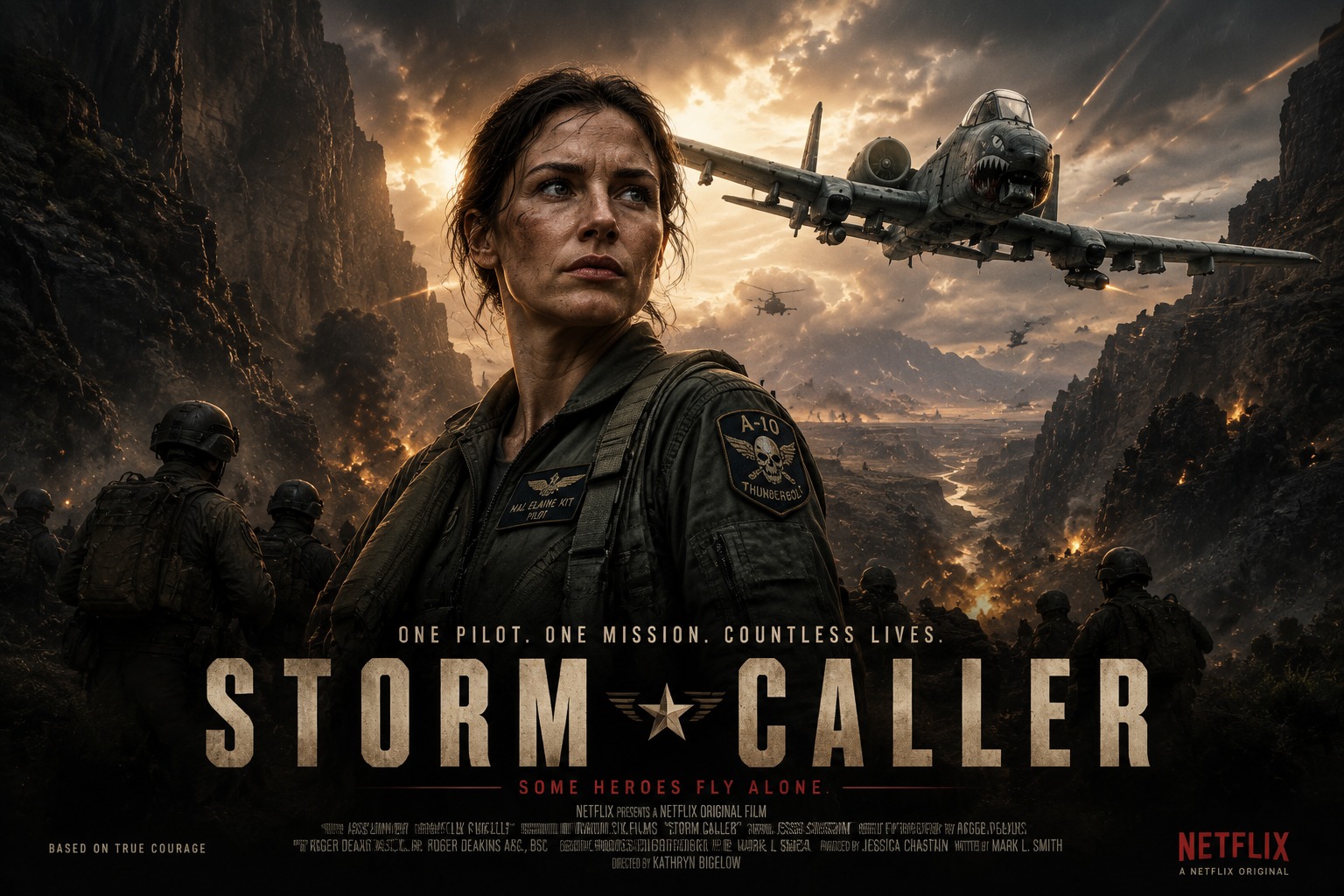
One hundred miles away, Major Mara Vance stood beneath the broken wing of an A-10 Thunderbolt II and listened to Colonel Adrian Kessler explain why six American servicemen were about to die.
“The canyon is outside safe operating parameters,” Kessler said.
He had removed his flight jacket despite the dust blowing across the airfield. His uniform remained immaculate. His silver hair was clipped close at the sides, and the lines around his mouth seemed carved rather than earned.
Behind him, the forward operations base shimmered in the heat.
Temporary hangars crouched beside concrete blast walls. Fuel trucks crawled between hardened shelters. Ground crews moved through waves of engine exhaust while warning sirens sounded in the distance.
Mara wiped hydraulic fluid from her fingers with a red shop rag.
“The safe operating parameters were written for aircraft approaching from the south,” she said.
Kessler’s jaw tightened.
“They were written by people whose responsibility was to keep pilots alive.”
“They were written by people who never flew that canyon.”
Kessler looked at the A-10 behind her.
The aircraft had been marked for limited service three weeks earlier. Its left engine had taken debris damage during a supply escort. Its targeting pod produced intermittent tracking errors. A hydraulic line had been patched twice.
Across the nose, beneath layers of gray paint, someone had once stenciled the name MERCY’S EDGE.
The name had faded until only the word MERCY remained visible.
Kessler pointed toward the aircraft.
“That machine is not combat-ready.”
“It has one good engine, manual reversion, a functioning gun, and enough fuel.”
“It has a cracked navigation display.”
“I know where the canyon is.”
“You are not launching.”
Mara looked at him.
At forty-one, she had the controlled stillness of someone who had learned that anger was most useful when hidden. Her dark hair was pulled into a tight knot at the base of her skull. A pale scar ran from the edge of her right eyebrow into her hairline. Her face was lean, weathered by sun and wind, and unreadable to anyone who had not watched her long enough.
Most people never did.
On base, younger pilots called her the Hangar Ghost.
Not to her face.
They knew only that she had once flown combat missions and no longer did. They knew she spent more time with maintenance crews than in briefing rooms. They knew her name appeared on no promotion list.
They did not know why.
Mara dropped the rag onto a toolbox.
“How long do they have?”
Kessler looked past her.
“That is not your concern.”
“How long?”
“The last estimate was twelve minutes.”
Mara’s gaze did not move.
“And the rescue package?”
“Denied.”
“Strike aircraft?”
“Held outside the threat envelope.”
“Drones?”
“Lost.”
“Artillery?”
“No firing solution.”
Kessler stepped closer.
“There are political considerations you are not cleared to understand.”
“There are six Americans in a hole.”
“And I will not lose an aircraft and another pilot in an attempt that has no reasonable chance of success.”
Mara turned toward the ladder beneath the cockpit.
Kessler grabbed her arm.
The mechanics nearby stopped moving.
Mara looked down at his hand.
He released her.
“You get in that aircraft,” he said quietly, “and your career is over.”
A gust of hot wind carried sand across the tarmac.
Mara looked at the canyon coordinates written in grease pencil on the side of the toolbox.
Then she met his eyes.
“My career ended nine years ago.”
She climbed the ladder.
Technical Sergeant Noah Briggs stepped out from beneath the right wing.
Briggs was fifty-three, barrel-chested, and permanently stained with grease no matter how clean his uniform appeared. He had spent thirty-one years repairing aircraft that pilots were certain they had killed.
He looked at Kessler.
“Sir, with respect, if you order me to pull that ladder away, I will.”
Kessler said nothing.
Briggs looked up at Mara.
“If you take her, the left hydraulic system may last ten minutes. It may last two.”
Mara pulled on her helmet.
“What about the gun?”
Briggs gave a humorless smile.
“The gun doesn’t know how old the airplane is.”
Kessler stepped back and raised his radio.
“Security to Shelter Four.”
Briggs did not look away from Mara.
“Battery is connected. External power is live. Fuel valves are open.”
Kessler stared at him.
“Sergeant.”
Briggs finally turned.
“You said security, Colonel. You didn’t say shutdown.”
For one brief second, something almost human passed across Kessler’s face.
Fear.
Not fear for the aircraft.
Fear of losing control.
Mara lowered herself into the cockpit.
The seat smelled of canvas, metal, and old sweat. The instrument panel flickered awake in uneven bands of green. One display remained black. A warning light glowed above the hydraulic pressure gauge.
She placed her hands on the controls.
For nine years, she had dreamed about this moment.
Not this aircraft.
Not this war.
The moment before choosing whether to obey a wrong order.
She had made the opposite choice once.
Men had died.
The engines began to turn.
Colonel Kessler shouted into his radio.
Ground crews scattered as the turbofans wound into a rising howl.
Briggs pulled the ladder free.
Mara closed the canopy.
Kessler walked directly in front of the aircraft.
For several seconds, pilot and commander stared at each other through the curved glass.
Then Kessler stepped aside.
Not because he approved.
Because even he understood that standing in front of an A-10 was not the same as stopping one.
Mara pushed the throttles forward.
The aircraft rolled.
In the operations center, warning alarms began appearing across the main display.
“Unscheduled launch from Shelter Four,” an airman called.
Brigadier General Thomas Rourke turned from the battlefield feed.
Rourke was sixty-two, heavy through the shoulders, with tired eyes and a habit of rubbing his wedding band when receiving bad news.
“What aircraft?”
The airman checked the transponder.
“A-10. Tail number eight-zero-two-seven.”
Across the room, Colonel Kessler entered through the side door.
“Kill the runway lights,” he ordered.
Rourke looked at him.
“What is happening?”
Kessler removed his sunglasses.
“Major Vance is attempting an unauthorized launch.”
The room went still.
Rourke’s hand stopped on his ring.
“What did you say?”
“A maintenance-status pilot has taken a damaged aircraft without clearance.”
Rourke stared at the tactical display.
The A-10 icon accelerated along the runway.
He looked suddenly older.
“Which Vance?”
Kessler frowned.
“Mara Vance.”
Rourke turned fully toward him.
For the first time since Kessler had known him, the general appeared speechless.
The A-10 lifted from the runway.
Its landing gear folded slowly, the left wheel hesitating before locking into place.
Rourke moved toward the communications console.
“Get her on command frequency.”
Kessler stepped between him and the operator.
“General, she has violated a direct order. We need to force her down.”
Rourke’s gaze shifted to Kessler’s face.
“You don’t know who she is.”
“I know exactly who she is. A disgraced pilot with an insubordination record.”
“No,” Rourke said. “You know what the file says.”
The communications operator raised a hand.
“I have her.”
Static filled the room.
Then Mara’s voice came through.
“Mercy One airborne.”
Kessler seized a headset.
“Major Vance, this is Colonel Kessler. You are ordered to return immediately.”
No answer.
“Vance, acknowledge.”
Mara’s aircraft climbed toward the mountains.
“Mercy One, radio check,” she said.
Kessler struck the console with his palm.
“Major, you are not authorized to enter the target area.”
This time, Mara answered.
“Then stop calling it a target area.”
“What?”
“There are Americans alive inside it.”
She changed frequencies.
Kessler tore off the headset.
“Scramble the alert fighters.”
Rourke looked toward him.
“To do what?”
“Intercept her.”
“And if she refuses?”
Kessler did not answer.
Rourke stepped closer.
“You want American fighters to shoot down an American pilot en route to support an American ground team?”
“I want command authority preserved.”
Rourke’s eyes hardened.
“Then you should have exercised it when those men called for help.”
In the canyon, Mercer heard the first transmission through a veil of static.
“Raven Actual, this is Mercy One.”
He pressed the radio closer to his ear.
The call sign meant nothing to him.
“Say again.”
“Raven Actual, Mercy One. Confirm your position.”
Mercer looked at Grady.
Grady stared back.
Mercer keyed the radio.
“Mercy One, this is Raven Actual. We have no authorized air package inbound.”
“That’s correct.”
“What platform are you?”
“A-10.”
Mercer looked up at the slit of sky.
“Single ship?”
“Affirmative.”
“You have escort?”
“Negative.”
“Electronic warfare?”
“Negative.”
“We have multiple heat-seeking threats, heavy machine guns, and fighters on both canyon walls.”
“I know.”
Mercer’s voice sharpened.
“Then turn around.”
There was a pause.
Behind him, the enemy began shouting from the cliffs.
Mara’s voice returned.
“Chief, I need you to mark your northernmost position.”
“We’re out of smoke.”
“Then find me something that burns.”
Mercer looked toward the pile of destroyed equipment.
“Pilot, listen to me. You enter this canyon, you won’t get out.”
Another pause.
When she answered, her voice had changed.
Not louder.
Closer.
“Chief, nine years ago, I watched seven men die because I obeyed someone who said exactly that.”
Mercer said nothing.
“I’m not doing it twice.”
The transmission ended.
The first enemy fighters appeared along the east ridge.
They descended in groups of four, moving from rock to rock.
Grady raised his weapon.
“Well,” he said, “I like her.”
Mercer grabbed a broken equipment case and poured fuel across it.
“Light it.”
The case ignited with a cough of orange flame.
Black smoke curled upward.
Mara crossed the outer ridge at five hundred feet.
The mountains rose around her like broken teeth.
Heat shimmered across the terrain, bending the horizon. The aircraft rattled violently in the afternoon turbulence. Every warning system seemed determined to speak at once.
Her targeting display rolled, froze, and returned with distorted lines.
She shut it off.
Ahead, the canyon entrance appeared as a black cut in the red-brown rock.
The gap looked too narrow.
It was too narrow.
Her breathing slowed.
Years earlier, a test instructor had told her that fear entered the body through the hands.
Grip too hard, and the aircraft became harder to feel.
She loosened her fingers.
The canyon swallowed the horizon.
Stone filled both sides of the canopy.
Mara rolled left, then right, following the first bend at less than three hundred feet above the floor.
A missile warning tone screamed.
She released flares.
White fire scattered behind the A-10.
A missile climbed from the western wall, curved toward the heat trail, and struck the canyon face in a bloom of orange.
The blast slapped the aircraft sideways.
Mara corrected.
The left hydraulic pressure dropped.
“Of course,” she whispered.
Ahead, black smoke rose from the canyon floor.
The SEALs.
She saw muzzle flashes above them.
Dozens.
Mara armed the gun.
On the ground, Mercer heard the aircraft before he saw it.
Not the clean tearing sound of a fighter passing high overhead.
This was lower.
Heavier.
A deep mechanical roar that shook pebbles from the canyon walls.
Everyone looked up.
The A-10 appeared around the southern bend, banked nearly ninety degrees, one wingtip seeming close enough to scrape stone.
Enemy fighters fired from both ridges.
Tracers crossed the canyon.
The aircraft rolled level for less than a second.
Then the cannon spoke.
The sound did not resemble gunfire.
It resembled the sky being ripped open.
A stream of thirty-millimeter rounds struck the eastern ridge. Rock exploded. A machine-gun position vanished beneath a wall of dust and debris. The concussion hit the SEALs in the chest.
Grady laughed once.
“Oh, that is beautiful.”
The A-10 passed overhead.
Mercer saw the pilot’s helmet through the canopy.
Then the aircraft was gone around the northern bend.
Enemy fire stopped.
Not permanently.
Only because everyone in the canyon had forgotten to breathe.
Mara pulled hard through the bend.
The control stick kicked against her hand.
Hydraulic pressure continued falling.
A warning light flashed.
The A-10 had been designed to survive damage that would destroy most aircraft.
But survival was not the same as obedience.
The controls grew stiff.
She switched to manual reversion.
The aircraft shuddered as cables and mechanical linkages took the load.
Now every movement required strength.
The A-10 no longer felt like an aircraft.
It felt like a wounded animal she had to drag through the sky.
“Mercy One,” Mercer called. “That pass bought us time.”
“How much?”
“Maybe five minutes.”
“I need twenty seconds.”
“For what?”
“To turn around.”
Mara reached the northern opening, climbed sharply over a ridge, and saw the problem.
Three enemy trucks raced along a high plateau toward the canyon entrance. One carried a twin-barrel antiaircraft gun. Another carried ammunition. The third carried men.
Beyond them, two missile teams spread out among the rocks.
She could attack the convoy.
She could return to the SEALs.
She could not do both before the next enemy assault.
A voice entered her headset.
“Mercy One, this is Dagger Two. You are ordered to remain outside the canyon.”
Two F-16s appeared on her radar, approaching from the west.
Kessler had sent interceptors.
Mara kept her eyes on the trucks.
“Dagger Two, are you armed for ground attack?”
A male pilot answered.
“Negative.”
“Then stay out of my way.”
“You are directed to return to base.”
The convoy split.
The antiaircraft truck stopped and began rotating its guns.
Mara lowered the nose.
“Dagger Two, you have a choice. You can escort me, or you can spend the rest of your life explaining why you watched.”
Silence.
The antiaircraft gun opened fire.
Green tracers climbed toward her.
Mara rolled.
Rounds struck the right wing.
The cockpit filled with warning tones.
The F-16 pilot came back over the radio.
“Mercy One, Dagger flight will cover high threats.”
Mara smiled without humor.
“Thought you might.”
She fired a rocket pod into the antiaircraft truck.
The vehicle disappeared inside smoke and flame.
The ammunition truck swerved.
Mara pressed the cannon trigger.
The road erupted behind it, then beneath it. The truck lifted, broke apart, and rolled into a ravine.
The third vehicle stopped.
Men scattered.
Mara pulled up.
The right engine temperature spiked.
Something was wrong with the fuel flow.
She turned back toward the canyon.
In the operations center, Kessler watched the live feed from one of the F-16s.
“She has compromised the entire air tasking order,” he said.
General Rourke stood behind him.
“She destroyed an antiaircraft battery.”
“She ignored command.”
“She saved lives.”
“You don’t know that yet.”
Rourke looked at the canyon feed.
“No,” he said. “I know her.”
Kessler turned.
“You keep saying that.”
Rourke’s eyes remained on the screen.
“Nine years ago, Mara Vance led a classified flight test program called Black Talon.”
Kessler said nothing.
“The program studied low-altitude attack routes in terrain radar could not map reliably. Canyons. Urban corridors. Mountain passes.”
“This canyon?”
Rourke nodded.
“She designed the route.”
Kessler’s expression changed slightly.
“Then why was she removed?”
Rourke’s hand returned to his wedding ring.
“Because a general ordered her to abort a rescue during a politically sensitive operation. She complied.”
“And?”
“The men on the ground were captured. Seven were executed.”
Kessler looked toward the A-10 icon.
Rourke continued.
“The general altered the mission record. He blamed Vance for route failure and excessive caution. She could have exposed him.”
“Why didn’t she?”
“Because the evidence would have revealed the presence of a covert intelligence unit in a country where we officially had no personnel.”
“So she accepted disgrace.”
“She accepted silence.”
Kessler studied Rourke.
“You were there.”
Rourke did not answer.
That was answer enough.
The second attack on the SEAL position began before Mara returned.
Mortars struck both ends of the canyon.
Enemy fighters descended from the ridges in waves.
Mercer fired until his rifle locked open, changed magazines, and fired again.
Grady’s machine gun hammered beside him.
Velez dragged Shaw behind a slab of rock as bullets punched the ground around them.
The burning equipment case had gone out.
Smoke no longer marked their position.
“Mercy One,” Mercer shouted into the radio. “We are being overrun.”
No answer.
A fighter appeared twenty yards away.
Mercer shot him twice.
Another stepped over the body.
Grady turned the machine gun and cut him down.
Then Grady’s weapon clicked empty.
The canyon erupted with a sound like thunder dragged through iron.
Rounds struck the western wall in a line of explosions.
Mara came through the smoke at rooftop height.
She had no targeting computer.
No stable gun sight.
Only memory.
She fired in short bursts, placing rounds above the SEAL position and walking them across the ridge.
Enemy fighters scattered.
One of the shoulder-fired missiles launched almost directly beneath her.
Mara saw it in the corner of her eye.
Too close for flares.
She rolled toward the canyon wall.
The missile passed over the canopy by feet and struck the opposite cliff.
The blast threw fragments across the aircraft.
A shard tore through the canopy’s outer layer.
Another punched into the instrument panel.
Mara felt heat across her cheek.
Blood ran along her jaw.
The right engine began to fail.
“Mercy One, you’re smoking,” the F-16 pilot warned.
“I noticed.”
“Climb out. We’ll cover.”
“Can’t.”
“That’s an order.”
“You’re not in my chain of command.”
“Right now, I’m the only reason those missiles aren’t killing you.”
Mara pulled through another turn.
“No. Right now, those men are.”
The A-10 emerged over the SEAL position again.
Mercer saw flames flickering near the right engine.
“Pilot, you need to leave.”
“Not yet.”
“We can hold.”
“No, you can’t.”
Mercer looked around.
She was right.
Shaw was unconscious.
Grady had three rounds left in his sidearm.
Velez had taken a bullet through the shoulder.
Two other men were down.
Mara’s voice returned.
“I need you moving north in thirty seconds.”
“The north route is exposed.”
“I’m going to close it.”
“With what?”
There was a brief crackle of static.
“Everything I have left.”
Mara climbed above the canyon lip.
The full battlefield opened beneath her.
The enemy had built the entire ambush around one assumption: American aircraft would not enter the canyon.
Missile teams covered the entrances.
Machine guns covered the floor.
Mortars covered the extraction zones.
But the ridge directly above the northern escape route held stacks of ammunition and fuel.
Protected from long-range attack.
Hidden from drones.
Perfectly safe.
Unless an A-10 came from inside the canyon.
Mara turned toward the ridge.
The right engine failed.
The aircraft yawed violently.
She corrected with rudder.
The left engine groaned under the load.
The F-16 pilot’s voice sharpened.
“Mercy One, you have an engine out and active fire. Eject.”
Mara looked at the ridge.
“No.”
“Eject now.”
She had heard those words before.
Nine years earlier.
A dark command center.
Seven men trapped beyond a border.
A general telling her the mission had become strategically unacceptable.
Rourke, then a colonel, standing behind him and saying nothing.
Mara had obeyed.
For years, she told herself she had obeyed because soldiers followed lawful orders.
At night, she heard the truth.
She had obeyed because she was afraid.
Not of dying.
Of becoming the kind of officer who disobeyed.
That fear had buried seven men.
She lowered the nose.
The ridge filled the windscreen.
Enemy gunners opened fire.
Rounds tore through the fuselage.
The aircraft shook.
Mara armed the last rockets.
Her hand trembled once.
She closed her fingers around the trigger.
“Raven Actual,” she said.
Mercer heard the strain in her voice.
“Go.”
“When the ridge goes up, run north.”
“You coming back?”
Mara saw the fuel drums.
The ammunition crates.
The men turning weapons toward her.
“No.”
Mercer understood what she meant.
“Pilot, don’t.”
Mara fired.
The rockets left the pods in pairs.
They crossed the final distance in white streaks.
The first impacts struck the fuel stores.
The ridge became sunlight.
The explosion rolled across the plateau, lifting vehicles and men into a wall of flame. Ammunition cooked off in rapid bursts. A section of the cliff collapsed into the northern passage, sealing the enemy approach and throwing dust across the canyon.
The blast hit the A-10 from below.
The aircraft climbed almost vertically, uncontrolled.
Mara fought the stick.
The dead engine burned behind her.
The left wing dropped.
The canyon rotated in the canopy.
“Mercy One, eject!” the F-16 pilot shouted.
Mara reached for the handle.
Then she saw the A-10’s shadow crossing the canyon floor.
Below her, the SEALs were running.
Velez and Grady carried Shaw between them. Mercer covered the rear.
If she ejected now, the aircraft would fall into the canyon.
Onto them.
Mara released the handle.
She forced the nose east.
The A-10 cleared the ridge by twenty feet.
Then the controls locked.
She ejected.
The canopy blew away.
The seat fired.
The sky became noise, flame, and wind.
Mara separated from the aircraft as it crossed the plateau and crashed into an empty ravine.
The impact rolled into a black column of smoke.
Her parachute opened late.
She struck the ground hard enough to drive the air from her lungs.
For several seconds, she could not move.
The sun burned white above her.
Something inside her left leg had broken.
Her helmet lay several feet away.
The radio in her survival vest hissed.
She dragged herself toward it.
“Mercy One,” the F-16 pilot called. “Respond.”
Mara pressed the transmit button.
“Still here.”
The pilot exhaled audibly.
“We have your position. Rescue inbound.”
Mara looked toward the canyon.
“What about Raven?”
A new voice answered.
Mercer.
“Raven is out.”
Mara closed her eyes.
Behind the static, she heard men breathing, coughing, carrying the wounded.
All alive.
Mercer spoke again.
“What’s your name?”
Mara stared at the smoke rising from the ravine.
“Vance.”
“First name?”
She hesitated.
“Mara.”
“Well, Mara Vance, my daughter is going to know your name.”
Mara said nothing.
A shadow moved across the plateau.
One of the F-16s circled above her.
The pilot’s voice returned.
“So is everyone else.”
Three days later, Mara entered the main hangar on crutches.
She wore a clean flight suit. A bandage covered the cut along her cheek. Her left leg was secured in a black brace.
The hangar was full.
Pilots stood in rows beside maintenance crews. Airmen lined the walls. Medical staff, intelligence officers, and support personnel filled every open space.
At the front, beneath an American flag, Colonel Adrian Kessler stood behind a lectern.
A folder rested before him.
Mara stopped near the back.
Briggs stood beside her.
“You know what this is?” he asked.
“A disciplinary hearing.”
“That’s what he thinks.”
Kessler adjusted the microphone.
His face revealed nothing, but his hands aligned the folder twice.
“Major Mara Vance,” he began, “on the seventeenth of this month, you launched an aircraft without authorization, disobeyed a direct order, violated restricted airspace, and conducted combat operations outside the approved tasking structure.”
The hangar remained silent.
Mara rested both hands on her crutches.
Kessler looked at her.
“Your actions resulted in the destruction of government property valued at more than nineteen million dollars.”
Briggs leaned toward her.
“Twenty-two, if they count the gun.”
Mara almost smiled.
Kessler continued.
“Your actions also created significant diplomatic and operational exposure.”
At the front row, General Rourke stared at the floor.
Mara watched him.
For nine years, she had imagined meeting him again under different circumstances.
In some versions, she struck him.
In others, she exposed him.
In the most honest versions, she simply asked why he had remained silent.
Now he sat ten yards away and looked like a man who had already answered.
Kessler opened the folder.
“Therefore, pending formal review, I am recommending—”
The hangar doors opened.
Everyone turned.
A civilian woman entered with two military attorneys and a uniformed officer wearing three stars.
The woman was in her late fifties, dressed in a dark suit, carrying a red-striped document case.
Kessler stopped speaking.
The three-star general approached the lectern.
“Colonel,” he said, “step aside.”
Kessler looked toward Rourke.
Rourke did not move.
“Sir,” Kessler said, “this is an internal command matter.”
“No,” the general said. “It stopped being internal nine years ago.”
The woman placed the document case on the lectern.
She opened it.
Inside lay a black folder marked with classification bands.
Murmurs moved through the hangar.
The general faced the room.
“My name is Lieutenant General Isaac Vale, Director of Special Mission Oversight.”
He looked toward Mara.
“Major Vance, please come forward.”
Mara moved through the rows.
The sound of her crutches echoed across the concrete.
When she reached the front, Vale opened the folder.
“Operation Black Talon was established to develop emergency tactical authority in terrain and threat environments where conventional command structures could not respond in time.”
Kessler’s face had begun to change.
The rigid certainty around his mouth loosened.
Vale continued.
“Major Vance served as lead flight architect and designated recovery commander.”
Kessler looked toward Rourke again.
This time, Rourke met his eyes.
Vale removed a document.
“Under Executive Contingency Directive Seven, recovery commanders retained independent tactical authority when American personnel faced imminent capture or death and normal rescue assets were unavailable.”
The hangar was completely still.
Kessler stared at the paper.
“The directive was never revoked,” Vale said. “It remained classified following the political suppression of the Black Talon program.”
Mara’s fingers tightened on the crutch handles.
The civilian woman stepped forward.
“The suppression of that program is now under investigation.”
Rourke rose from his chair.
Everyone looked at him.
He walked to the front.
His face was gray.
Nine years of silence seemed to weigh on each step.
He stopped in front of Mara.
“I signed the false after-action report,” he said.
A ripple moved through the room.
Mara did not blink.
Rourke looked at the scar near her eyebrow.
“The general in command told me disclosure would expose the operation and cost more lives. I told myself I was protecting national security.”
His voice weakened.
“I was protecting my career.”
Kessler stood motionless behind the lectern.
Rourke continued.
“You objected to the abort order. You requested authority to continue. You were denied. When the men were captured, you accepted the blame because we told you the truth would endanger the country.”
He drew a breath.
“The truth was that it endangered us.”
Mara watched his hands.
They were shaking.
For years, she had pictured this confession as a victory.
It did not feel like victory.
It felt like opening a sealed room and finding the air still poisoned.
Rourke removed his rank insignia from his pocket and placed it on the lectern.
“I submitted my resignation this morning.”
Mara looked at him.
“Why now?”
Rourke’s eyes moved toward the packed hangar.

“Because this time, you disobeyed.”
His mouth tightened.
“And men lived.”
Mara’s voice remained quiet.
“You could have spoken nine years ago.”
“I know.”
“Seven men might still be alive.”
“I know.”
She waited for anger to come.
It did not.
Only exhaustion.
Rourke lowered his head.
“I have no defense.”
From the back of the hangar came the sound of boots.
Six men entered.
The SEAL team walked slowly, some bandaged, some leaning on canes.
Mercer came first.
His uniform bore fresh stitching where shrapnel had torn the sleeve.
Beside him, Grady pushed Owen Shaw in a wheelchair.
Shaw was pale, thinner, but awake.
The crowd parted.
Mercer stopped in front of Mara.
For a moment, neither spoke.
Then Mercer reached into his pocket.
He removed a cheap plastic bracelet made of blue and yellow beads.
“My daughter made this,” he said. “She said pilots need armor too.”
Mara looked at the bracelet.
Mercer fastened it around her wrist.
Kessler watched from behind the lectern.
His face had lost all color.
General Vale turned toward him.
“Colonel Kessler, you attempted to order an intercept against Major Vance’s aircraft.”
Kessler straightened.
“I attempted to preserve command discipline.”
“You attempted to prevent a lawfully authorized recovery commander from executing emergency authority.”
“I was not informed of that authority.”
“You were informed that American personnel were trapped.”
Kessler’s jaw flexed.
“I believed further losses were unacceptable.”
Mercer turned toward him.
The hangar shifted with him.
Kessler saw the movement.
For the first time, he looked not like a commander addressing subordinates, but like a man standing alone before witnesses.
Mercer spoke.
“Which losses?”
Kessler did not answer.
Mercer stepped closer.
“Ours?”
Silence.
“Or yours?”
A muscle moved in Kessler’s cheek.
Mara watched the exact moment recognition reached him.
His eyes moved from Mercer to the wounded men behind him.
Then to the mechanics.
Then to the pilots who had heard him call the rescue impossible.
His shoulders settled by less than an inch.
The folder in his hand bent beneath his grip.
The power had left the room before he understood it was gone.
Kessler looked at Mara.
“I made the decision I believed command required.”
Mara held his gaze.
“That’s what fear sounds like when it wears rank.”
No one moved.
Vale closed the classified folder.
“Colonel Kessler, you are relieved pending investigation.”
Kessler’s mouth opened.
Nothing came out.
He stepped away from the lectern.
As he crossed the hangar, no one saluted.
Outside, wind struck the flag above the doors, snapping the fabric hard against the pole.
General Vale faced Mara.
“Major Vance, Executive Contingency Directive Seven authorizes recognition at the level of recovery commander.”
He raised his hand in salute.
One by one, officers across the hangar did the same.
Then the enlisted personnel.
Then the SEALs.
Briggs stood beside the broken remains of MERCY’S EDGE, which had been recovered from the ravine and placed on the far side of the hangar.
Only the nose section remained intact.
The faded word MERCY was blackened by fire.

He saluted last.
Mara stood with a plastic bracelet around her wrist and a brace around her leg, facing hundreds of people who had once looked through her.
She returned the salute.
Later that evening, after the hangar emptied, Mara sat alone beside the ruined A-10.
The desert had cooled.
Light from the setting sun entered through the open doors and stretched across the concrete in long orange bands.
Mercer approached quietly.
He carried two paper cups of coffee.
He handed one to her.
“My daughter wants to meet you.”
Mara looked into the cup.
“Why?”
“She thinks you’re a superhero.”
“That’s unfortunate.”
Mercer smiled.
“I told her superheroes don’t limp.”
Mara glanced at her brace.
“What did she say?”
“She said the good ones do.”
They sat in silence.
Outside, engines started on the flight line.
A transport aircraft lifted into the darkening sky.
Mercer looked at the burned fuselage.
“You going to fly again?”
Mara took a sip of coffee.
“Medical says maybe.”
“That wasn’t what I asked.”
She looked toward the runway.
For nine years, flight had been the place where shame followed her most closely.
Now she remembered the canyon.
The men running north.
The sound of Mercer’s voice saying they were out.
The moment she had chosen the lives beneath her over the order behind her.
“Yes,” she said.
Mercer nodded.
He stood and walked toward the doors.
“Mara.”
She looked at him.
“For what it’s worth, we didn’t give up.”
She raised an eyebrow.
“You recorded goodbye messages.”
“We were being realistic.”
“You burned your documents.”
“Standard procedure.”
“You took off your wedding rings.”
Mercer glanced toward the ceiling.
“That was Grady. He’s dramatic.”
From somewhere outside, Grady shouted, “I heard that.”
Mara laughed.
It surprised her.
The sound crossed the empty hangar and returned from the steel walls.
Mercer paused at the door.
“There is one thing I still don’t understand.”
“What?”
“You knew the aircraft might not make it back.”
“Yes.”
“You knew command would come after you.”
“Yes.”
“You knew there was a chance nobody would ever clear your name.”
Mara looked at the bracelet around her wrist.
The beads were uneven. One yellow bead had been threaded backward.
“Yes.”
Mercer waited.
“Then why go?”
Mara looked beyond him at the last light fading over the runway.
“Because there comes a moment when obedience stops being discipline.”
She rose carefully on her crutches.
“And becomes permission.”
Mercer stood still for a second.
Then he nodded and walked into the night.
Mara remained beside the broken aircraft until the lights came on across the base.
In the weeks that followed, the official investigation exposed the altered report, the suppressed directive, and the men who had traded truth for protection.
General Rourke testified publicly.
Colonel Kessler lost his command, though he was not imprisoned. The inquiry found that he had acted within incomplete information but had allowed institutional caution to become moral blindness.
He accepted the finding without appeal.
Six months later, he sent Mara a handwritten letter.
It contained no excuses.
Only one sentence.
I thought leadership meant preventing loss, and I did not understand that sometimes the greatest loss is the person you become while protecting yourself.
Mara kept the letter.
She did not forgive him immediately.
Some wounds should not be rushed into becoming lessons.
Owen Shaw returned home to meet the son he had never held.
Luke Grady placed his wedding ring back on his finger and claimed he had never removed it.
Nobody believed him.
Daniel Mercer sat in the front row of a school auditorium while his daughter played “Somewhere Over the Rainbow.”
She struck the wrong key in the same place.
He applauded before anyone else.
And Mara Vance returned to the cockpit eleven months after the canyon.
Not as the Hangar Ghost.
Not as the disgraced pilot hidden inside a sealed file.
She became the first commander of a new recovery warfare unit built around a principle the military had nearly forgotten:
Technology could fail.
Plans could collapse.
Command structures could freeze.
But courage still required a human being to decide that another person’s life was worth the risk.
On the wall of the unit’s briefing room hung a scorched metal panel recovered from MERCY’S EDGE.
The paint had burned away from every word except one.
MERCY.
New pilots often asked Mara why she kept it.
She never gave them the whole story.
She only told them this:
“Power isn’t what people salute when you enter a room.”
Then she would tap the burned metal with one finger.
“It’s what remains when nobody is watching, nobody agrees with you, and doing the right thing may cost you everything.”
Because rank can command obedience.
Fear can command silence.
But only character can make someone fly into an impossible canyon when everyone else has already decided the people inside are not worth saving.