Nearly three decades after the deaths of her two sons, Darlie Routier remains one of Texas’s most controversial death row inmates. Her case continues to draw national attention because of unanswered questions, disputed evidence, and a fingerprint that supporters say could hold the key to what really happened.
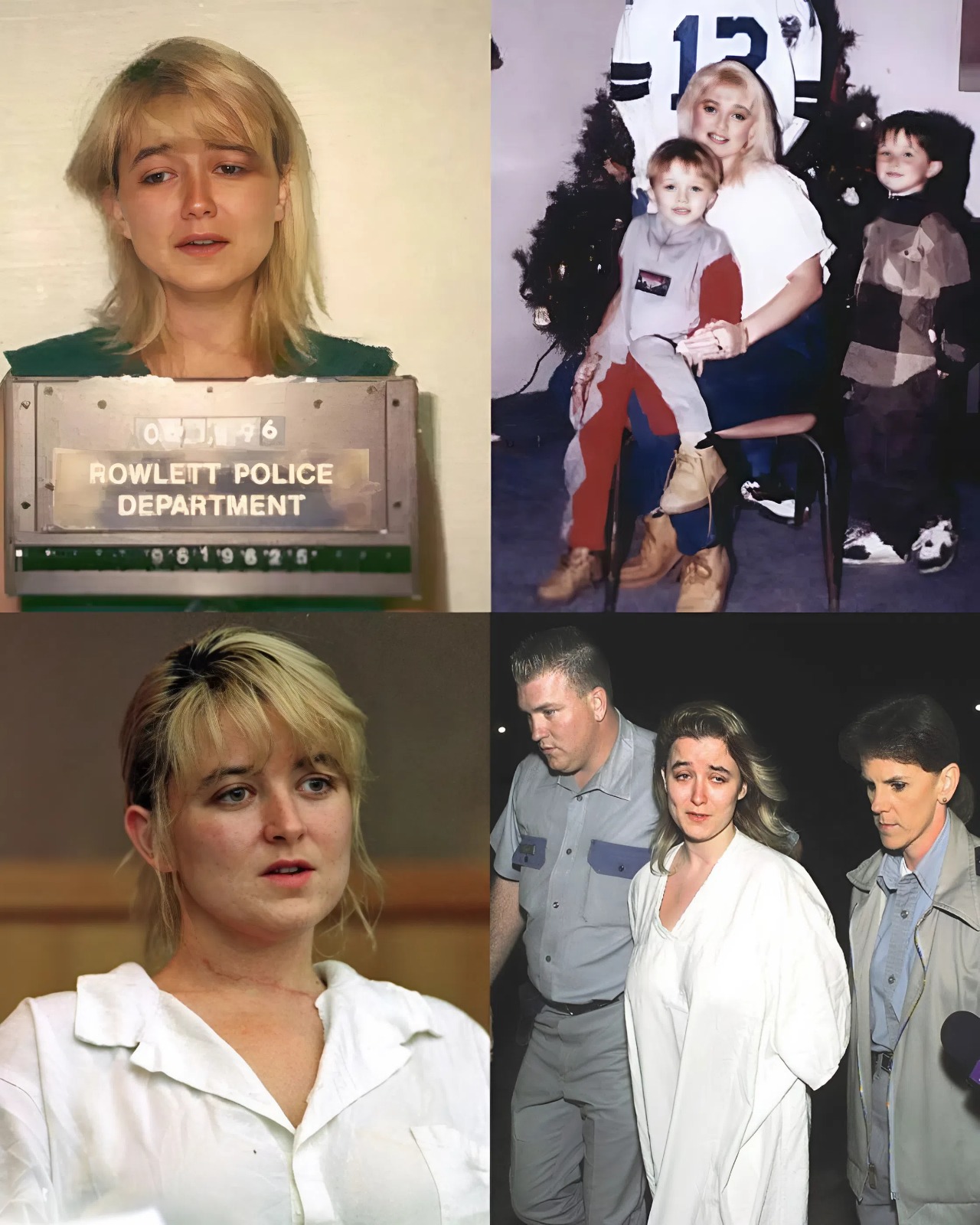
The Crime That Shocked Texas
In June 1996, emergency responders arrived at the Routier family home in Rowlett, Texas, after Darlie reported that an intruder had attacked her and her children. Her two sons, 5-year-old Damon and 6-year-old Devon, were fatally injured during the incident.
Prosecutors later argued that Routier staged the crime scene and was responsible for the attack. In 1997, she was convicted of murdering Damon Routier and sentenced to death.
The Fingerprint Mystery
One of the most debated aspects of the case involves fingerprints and other forensic evidence collected from the scene. Defense supporters have argued that some evidence was never fully explained and that unidentified prints could point to another person being involved.
For years, Routier’s legal team has pushed for additional forensic testing, including modern DNA analysis, hoping new technology could provide answers that were unavailable during the original trial.
Decades on Death Row
Routier has spent nearly 30 years under a death sentence at the Mountain View Unit in Texas. During that time, she has continued to fight her conviction through appeals and post-conviction legal challenges.
Her case remains divided. Prosecutors maintain that the evidence presented at trial proved her guilt, while supporters argue that unanswered questions deserve further investigation.
Execution Date and Legal Fight
As discussions surrounding her possible execution continue, attention remains focused on the unresolved evidence and whether new testing could change the direction of the case.
For Routier, the future remains uncertain: a death sentence, decades behind bars, and a legal battle centered on evidence that supporters believe may still reveal a different story.
The question that has followed the case for years remains unanswered: could one overlooked fingerprint change everything?