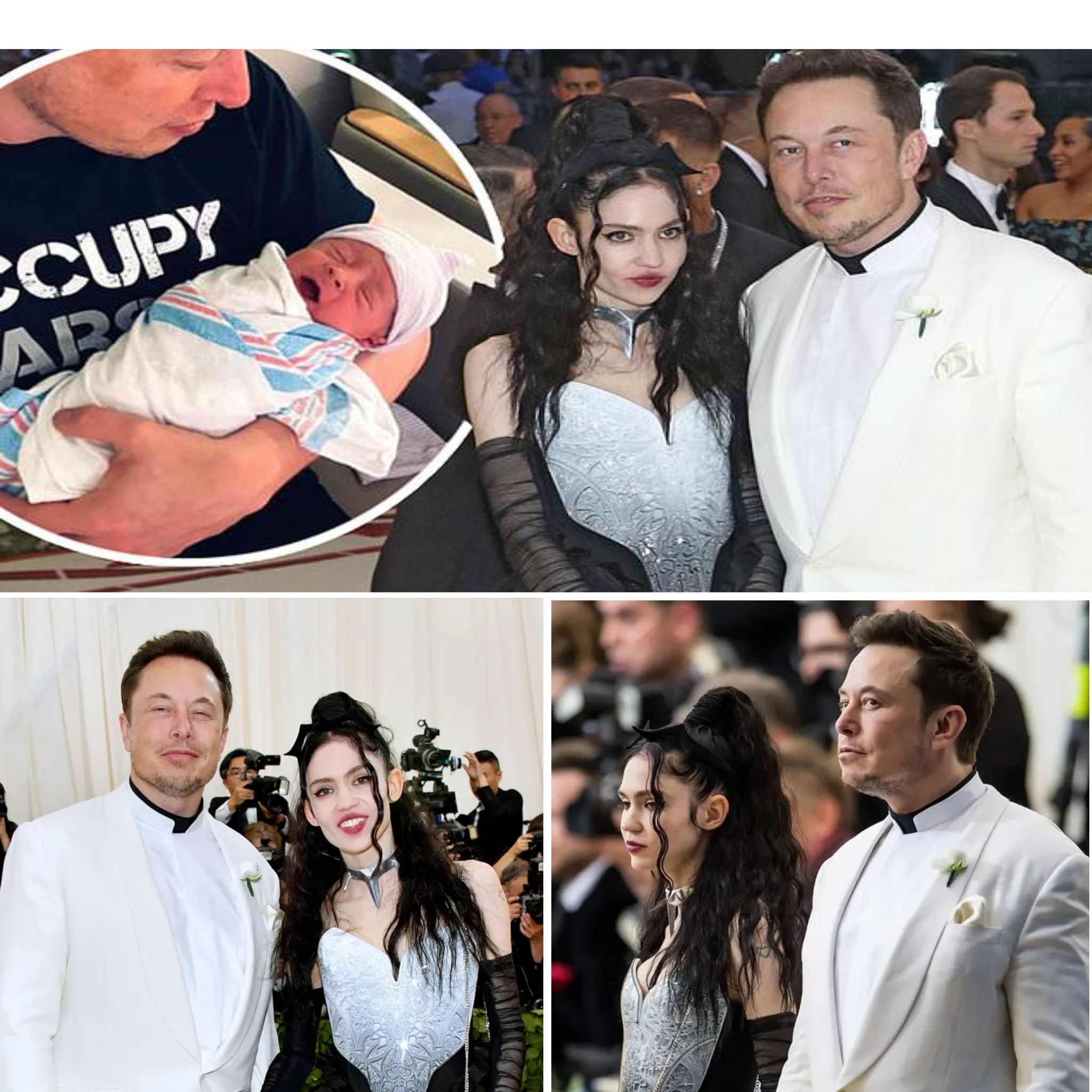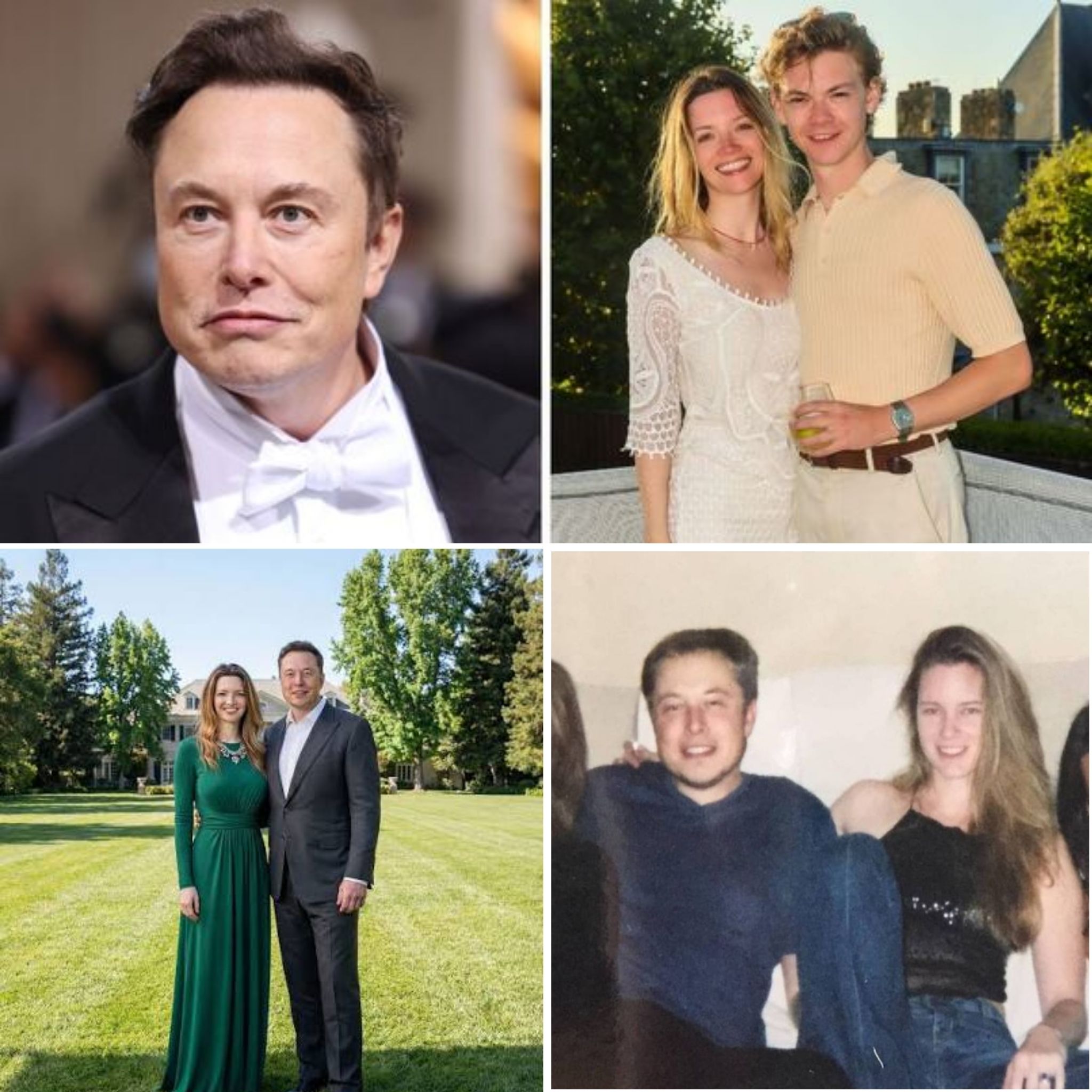
Elon Musk did not look like a man who was about to change the automobile industry or launch a new era of private spaceflight.
According to the woman who was sharing his life at the time, he looked like he might not survive the year.
Talulah Riley would later describe him with five chilling words:
“He looked like death itself.”
The bags beneath his eyes had deepened. Bad news arrived relentlessly. He worked punishing hours, barely ate properly, and sometimes woke in the middle of the night screaming.
Tesla was running out of money.
SpaceX had watched three rockets fail.
The global financial system was collapsing around them.
And Musk, who had once walked away from the sale of PayPal with a fortune, had poured so much of it into his companies that he was borrowing money from friends.
Then Riley’s parents made an extraordinary offer.

They were prepared to remortgage their own home to help him.
Think about what that meant.
This was not a venture capitalist moving numbers between funds.
Not a billionaire friend placing a speculative bet.
Not a bank extending another corporate credit facility.
These were the parents of the young woman Musk was dating.
They were willing to put their house on the line because the man their daughter loved was watching almost everything he had built move toward collapse at the same time.
Musk turned them down.
Years later, after Tesla became a global name and SpaceX began routinely doing things that once sounded absurd, it would be easy to look backward and imagine that success had always been inevitable.
In 2008, almost nothing felt inevitable.
Least of all survival.
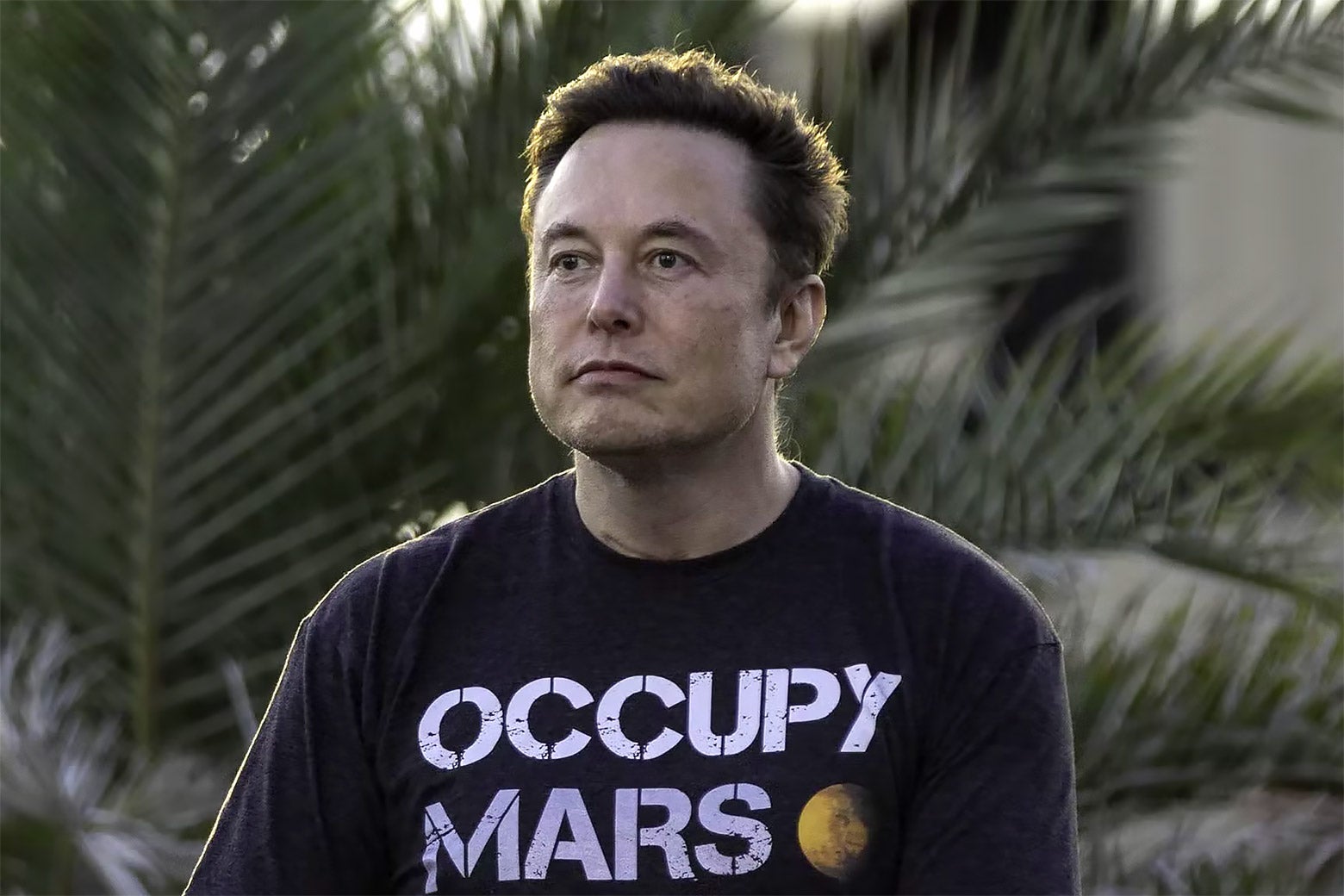
Musk had arrived in that year with two enormous bets.
One was Tesla, an electric-car company attempting to convince the world that battery-powered vehicles did not have to be slow, ugly or impractical.
The other was SpaceX, a private rocket company founded on an even stranger belief: that a startup could challenge an aerospace industry dominated by governments and giant defense contractors.
Either company would have been considered a reckless undertaking.
Musk was financing both.
And both were consuming cash.
Tesla’s first car, the Roadster, had suffered delays and cost overruns.
The company needed more money simply to remain alive long enough to produce cars at scale.
SpaceX was even more unforgiving.
Rockets do not fail quietly.
They fail in full view of engineers who have spent years calculating every detail.
The first Falcon 1 launch failed in 2006.
The second failed in 2007.
Then came August 2008.
Attempt number three.
By this point, SpaceX was no longer some comfortable experiment funded by unlimited reserves.
The company needed a success.
The Falcon 1 lifted from Omelek Island in the Pacific.
For a moment, things looked encouraging.
Then the mission failed.
Again.
Three launches.
Three failures.
There are industries where a founder can respond to failure by changing the website, redesigning a product or asking investors for six more months.
Rocketry is different.
Each attempt consumes hardware, money and time on a scale that can kill a young company.
SpaceX had enough resources to attempt another launch.
Barely.
Musk later described the fourth Falcon 1 as essentially the last launch the company could afford.
If it failed, SpaceX could be finished.
But there was no safe place waiting for him on Earth either.
Tesla was approaching its own crisis.
The timing could hardly have been worse.
In September 2008, Lehman Brothers collapsed.
Credit markets froze.
Investors panicked.
Major financial institutions were failing.
American automakers themselves were entering an existential crisis.
General Motors and Chrysler would soon require government intervention.
Now imagine trying to raise money for a tiny electric-car startup during that environment.
Investors weren’t asking which futuristic transportation company might dominate the next decade.
They were trying to understand which established corporations would survive the next quarter.
Musk’s problem was no longer simply ambition.
It was arithmetic.
He had spent much of the money he had earned from PayPal backing his ventures.
Now both needed more.
He faced a decision he later described as one of the hardest of his life.
Put the remaining money into SpaceX and give the rocket company its best chance.
Tesla might die.
Put it into Tesla and protect the car company.
SpaceX might die.
Or divide the money between them and risk losing both.
It was like watching two people drown while holding only one life jacket.
Except Musk had created both.
He chose to split what he had.
That meant neither company was safe.
Around him, the pressure became visible.
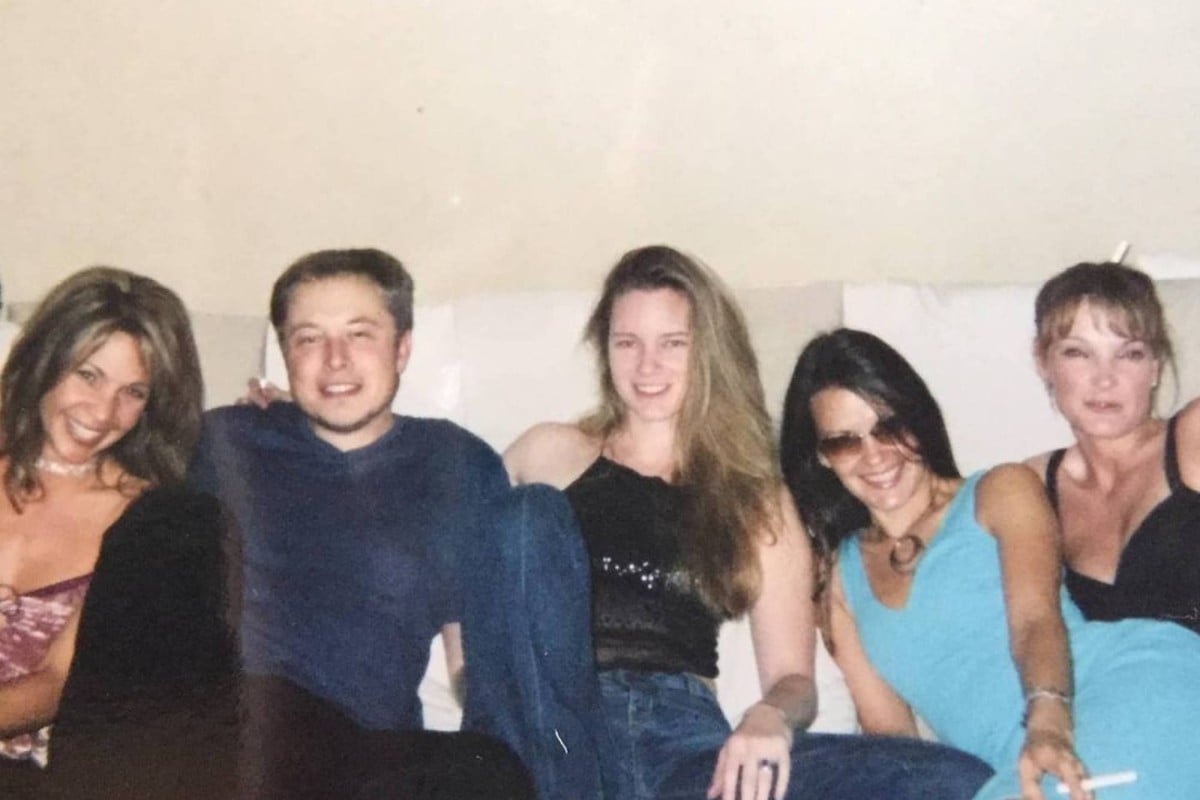
Riley was a young British actress when she met Musk in 2008.
She had not met the polished version of the billionaire executive that the public would later associate with product launches and magazine covers.
She encountered him during one of the bleakest periods of his professional life.
She watched emails arrive.
She watched his expression change as more problems appeared.
She later recalled thinking he might have a heart attack.
At night, the stress followed him into sleep.
“He was in physical pain,” she remembered.
The person attempting to build rockets for Mars and reinvent the automobile was struggling to rest without his body seeming to revolt against the pressure.
And behind Riley stood her parents, Una Riley and Doug Milburn.
They could see what was happening too.
Their daughter was with a man whose companies seemed to be disintegrating.
They could have told her to get away from the chaos.
They could have said his problems belonged to him.
Instead, they offered to put their own property at risk.
They would remortgage their home.
Musk declined.
There is an important detail in that refusal.
At that moment, nobody could promise them Tesla would become Tesla.
Nobody could promise SpaceX would survive.
Nobody could promise the money would ever come back.
A house is tangible.
A rocket company with three failed launches was not.
An electric-car startup losing money during a historic financial crisis was not.
Musk understood the difference.
So the offer remained an offer.
But his financial problems did not disappear.
He borrowed from friends.
People around Tesla wrote checks.
Investors were approached again.
Every week seemed to require another solution just to reach the following week.
From the outside, it could look like irresponsible stubbornness.
Why keep going?
Why not save what remained?
Why not let one company fail and protect the other?
Why risk becoming personally broke when he had already achieved the kind of financial success most entrepreneurs spend their entire careers chasing?
There was a rational argument for stopping.
There was an even stronger argument for choosing only one company.
But Musk could not bring himself to abandon either.
Then September 28 arrived.
SpaceX prepared Falcon 1 for launch number four.
There was very little romance in the situation.
This wasn’t just another engineering test.
The company’s future was effectively sitting on top of that rocket.
The countdown reached zero.
Falcon 1 lifted.
The first stage burned.
Separation occurred.
The second stage continued.
And this time, the rocket did not fall back toward the ocean as another expensive lesson.
It reached orbit.
After three failures, SpaceX had done it.
Falcon 1 became the first privately developed liquid-fueled rocket to reach orbit.
The company that had appeared close to becoming a cautionary tale had crossed one of the hardest technical thresholds in aerospace.
For the engineers who had endured three failures, the result was overwhelming.
But there was a cruel reality hiding behind the celebration.
Success had not solved the money problem.
SpaceX had proven it could reach orbit.
That did not mean it suddenly had enough cash to relax.
And Tesla was still in danger.
By December, Musk was once again staring at the possibility that everything could unravel.
This is where the story takes the turn that almost sounds written for a movie.
Except the dates are real.
December 23, 2008.
One day before Christmas Eve.
While SpaceX executives were still worried about the company’s future, NASA announced that SpaceX had won a contract to fly cargo to the International Space Station.
The eventual contracted value was approximately $1.6 billion for 12 resupply missions.
Read that sequence again.
Months earlier, SpaceX had failed its third consecutive launch.
Musk had been close enough to the financial edge that his girlfriend’s parents offered to remortgage their home.
Then the fourth rocket worked.
And three months later, NASA placed one of the most consequential votes of confidence imaginable in the company.
But Musk still wasn’t finished.
Because Tesla remained on the cliff.
The electric-car company needed its financing round to close.
And it needed it immediately.
December 24.
Christmas Eve.
While much of America was heading home, wrapping gifts and shutting offices for the holiday, Tesla was trying to complete the deal that could determine whether employees returned to a functioning company after Christmas.
The financing closed.
According to Musk’s later account, it happened around 6 p.m.—at essentially the last possible moment.
Tesla had survived.
Just barely.
Consider what Riley had been watching over those previous months.
Three SpaceX failures.
Tesla burning cash.
A global financial collapse.
A public divorce unfolding in Musk’s personal life.
Friends being asked for money.
Her own parents offering their house.
Nightmares.
Physical exhaustion.
A fourth rocket carrying the future of SpaceX.
Then, within the final days before Christmas:
A NASA contract for SpaceX.
And lifesaving financing for Tesla.
The man she thought might collapse under the pressure had somehow reached the other side.
Not because one giant miracle suddenly erased every problem.
It happened through a chain of events, any one of which could have gone differently.
If Falcon 1’s fourth flight had failed, SpaceX might have disappeared.
If Tesla’s financing had fallen apart, the carmaker might have entered bankruptcy.
If investors had refused to participate, there may have been no next round.
If NASA had made a different choice, SpaceX’s path forward would have been far more uncertain.
Success stories compress those moments.
The failures become one sentence.
The desperate phone calls disappear.
The people who quietly helped become footnotes.
Then the surviving company gets photographed from the finish line, and everybody assumes the founder knew exactly how the story would end.
But Riley saw the part before anybody knew the ending.
She saw a man reading email after email, physically deteriorating under the pressure.
Her parents saw enough to contemplate putting their own home behind him.
They did not know they were offering help to a future multibillionaire.
They were offering help to their daughter’s boyfriend when he was almost out of options.
That distinction matters.
Supporting someone after the victory is easy.
Everyone wants to know the founder after the IPO.
Everyone wants a photograph beside the rocket after it reaches orbit.
Everyone sees genius after the impossible idea works.
In 2008, the evidence looked very different.
Tesla wasn’t the world’s most famous electric-car company.
It was a struggling startup trying to sell an expensive Roadster during a financial crisis.
SpaceX wasn’t landing reusable boosters.
It had failed to reach orbit three times.
Musk wasn’t standing on a mountain of liquid wealth.
He was borrowing money from people he knew.
That was the person Talulah Riley’s parents offered to help.
And perhaps the most extraordinary part is that he said no to the house.
He kept looking elsewhere for money.
Kept negotiating.
Kept splitting his remaining resources.
Kept pushing the companies forward.
That doesn’t mean every enormous risk is wise.
Survivorship bias is real.
Thousands of founders have sacrificed everything for businesses that failed anyway.
Musk’s story should not be reduced to “never give up and you’ll become rich.”
Sometimes people never give up and still lose.
The lesson is more uncomfortable than that.
We often judge decisions with information the person making them did not have.
Today, it is easy to draw a straight line from Falcon 1 to modern SpaceX, or from the Roadster to Tesla’s later growth.
In 2008, there was no straight line.
There was fog.
There were bills.
There were failed rockets.
There were investors saying no.
There was a Christmas deadline.
There was a young woman watching someone she loved come apart under pressure.
And there were two parents looking at their own home and saying, in effect:
If that’s what it takes, we’ll help.
Musk didn’t take their house.
He found another way.
SpaceX survived.
Tesla survived.
And years later, when Riley told the story, the detail that lingered wasn’t a rocket specification or a financing term.
It was his face.
“He looked like death itself.”
That’s what success looked like before everyone knew it was success.
Not confidence.
Not champagne.
Not a magazine cover.
A man on the edge, two companies days from disaster, and a family willing to risk something real when the future looked anything but certain.
People love to say they would have believed in the next Tesla or SpaceX before everybody else did.
But belief is easy after history has revealed the answer.
The real question is whether you would still believe when the rockets have failed three times, the money is almost gone—and the only thing standing between the dream and oblivion is one more attempt.