Arizona carried out the execution of Joseph Wood in 2014, a case that became one of the most controversial lethal injection executions in U.S. history after the procedure lasted nearly two hours.
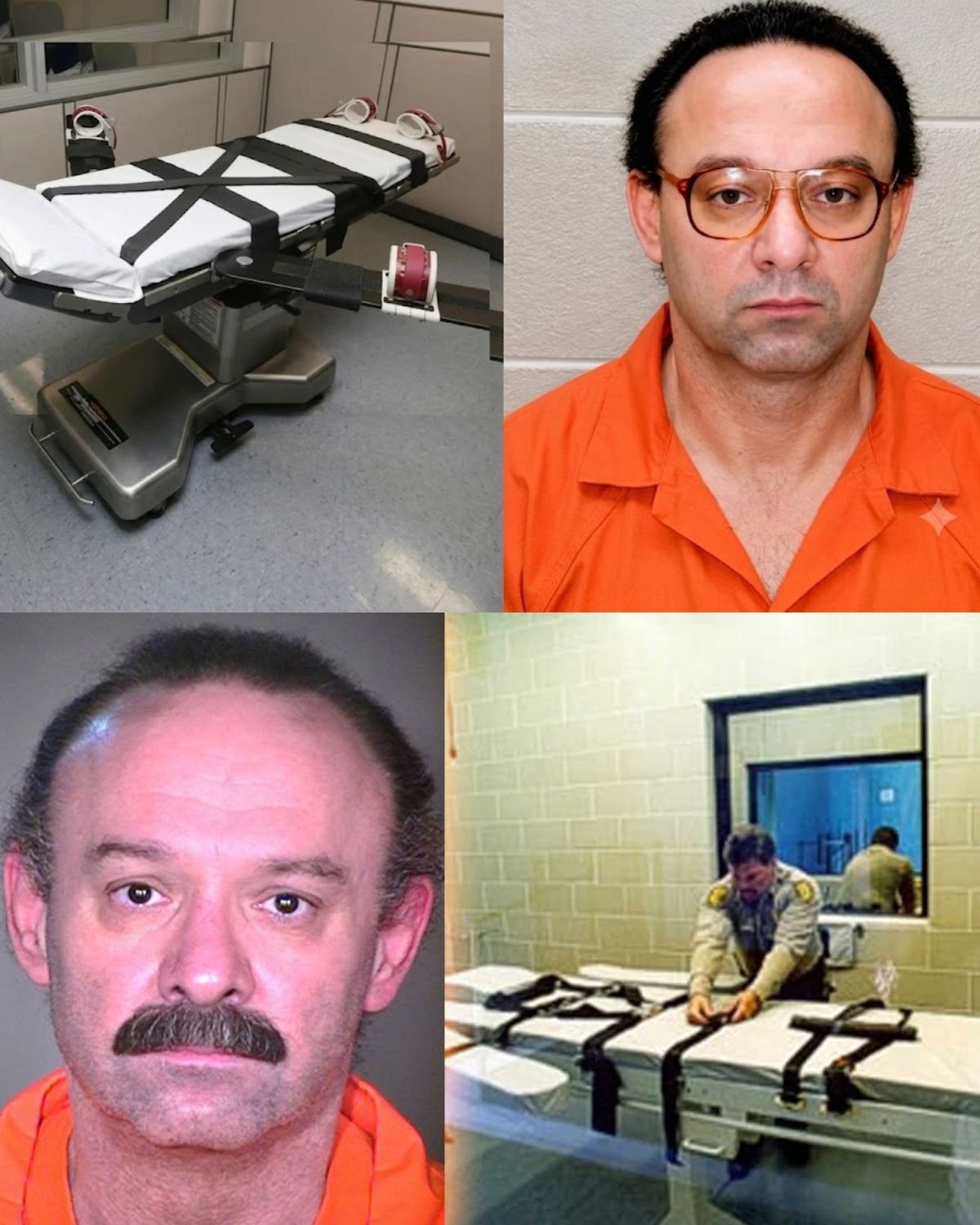
Wood’s execution drew national attention not only because of the crime that sent him to death row, but also because of questions surrounding the state’s execution methods and the lengthy time it took for him to be pronounced dead.
The Crime and Conviction
Wood was convicted for the 1989 murders of his former girlfriend, Debra Dietz, and her father, Eugene Dietz, in Tucson, Arizona.
Prosecutors argued that Wood carried out the killings after a violent dispute with his former partner. The evidence presented at trial led to his conviction for two counts of first-degree murder, and he was sentenced to death.
For more than two decades, Wood remained on Arizona’s death row while pursuing appeals and legal challenges.
The Controversial Execution
On July 23, 2014, Arizona officials carried out Wood’s execution at the Arizona State Prison Complex–Florence.
The execution quickly became controversial after witnesses reported that Wood appeared to struggle for an extended period after the lethal injection began. His attorneys claimed that he gasped and appeared to suffer for nearly two hours before being declared dead.
The incident sparked nationwide debate over the reliability and transparency of lethal injection procedures. Critics questioned whether the execution method was humane, while state officials defended the process.
Legal Battles Before Death
Before his execution, Wood’s legal team attempted to stop the procedure, arguing that Arizona’s execution protocol created risks of unnecessary suffering.
The U.S. Supreme Court declined to halt the execution, allowing the state to proceed.
Afterward, the case became a major reference point in discussions about capital punishment, particularly regarding the use of certain drug combinations and the secrecy surrounding execution protocols.
Legacy
Joseph Wood’s execution remains one of the most debated death penalty cases in Arizona history.
For the families of Debra and Eugene Dietz, the execution represented the conclusion of a decades-long search for justice after a devastating loss.
For opponents of the death penalty, the nearly two-hour execution raised serious questions about whether modern execution methods can guarantee a humane process.
Years later, Joseph Wood’s name remains connected not only to the murders that placed him on death row, but also to one of the most controversial execution procedures in recent American history.