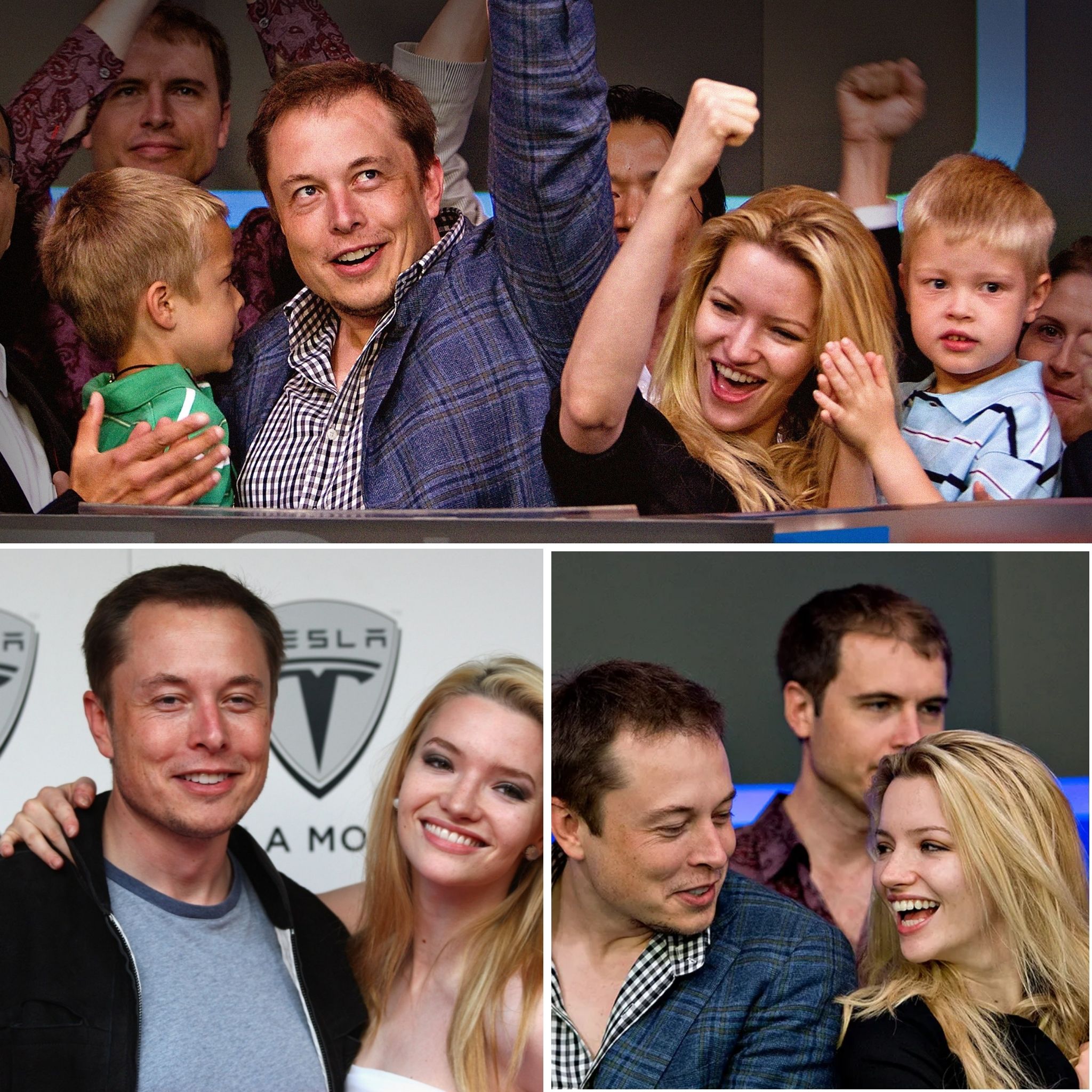
Being born into one of the most famous families on Earth comes with a strange kind of unfairness.
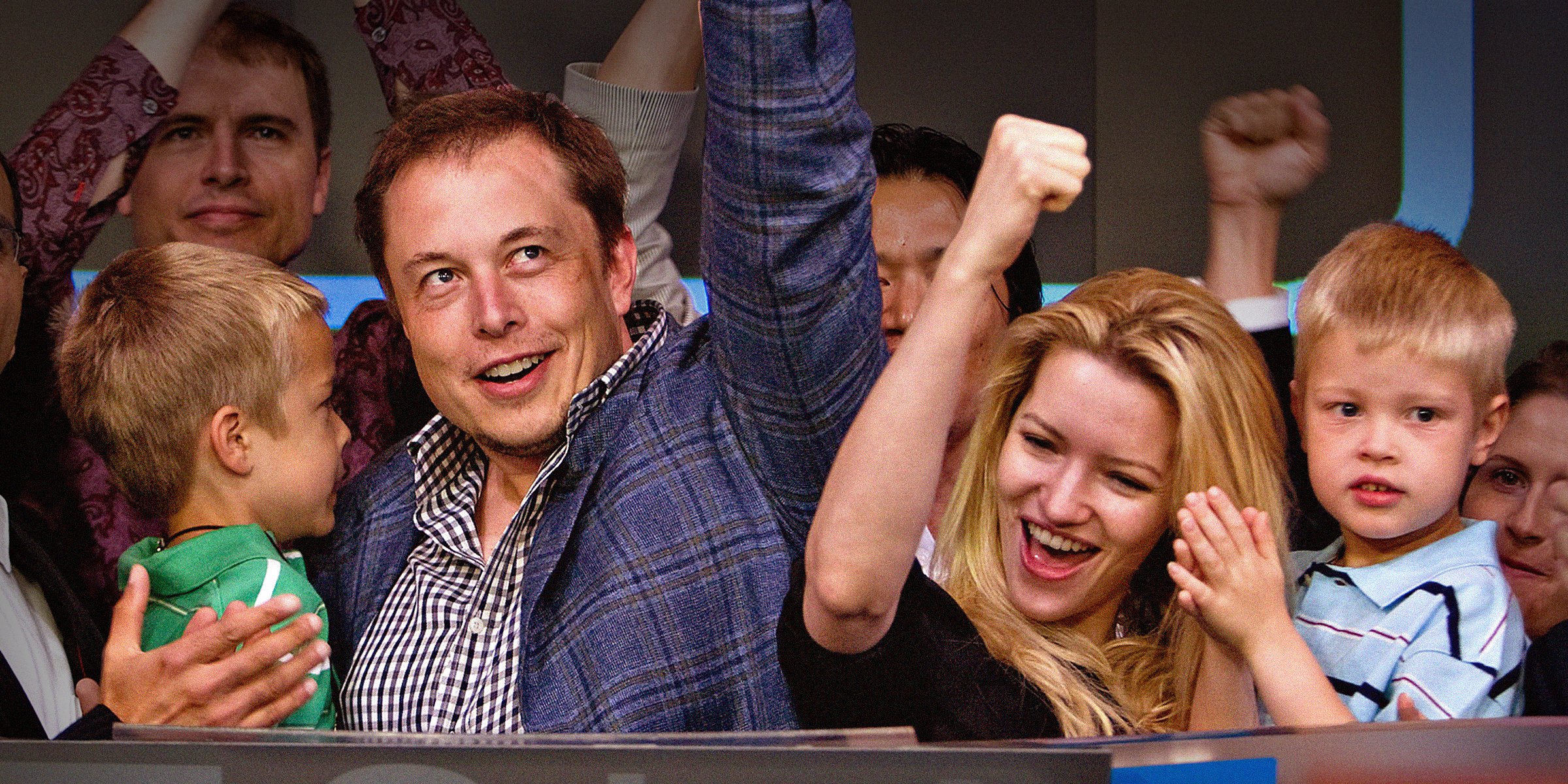
Before you are old enough to decide what you believe, strangers already have opinions about you. Before you create a public identity, websites build profiles in your name. And before you ever choose to speak, millions of people assume they know exactly who you are because they know your father.
That has been much of Saxon Musk’s story.
He is the son of Elon Musk, a man whose companies, controversies, ambitions and social-media posts can dominate headlines for days at a time. Yet while his father’s life has unfolded almost constantly in public, Saxon has largely remained somewhere beyond the camera.
And that contrast has produced an odd result.
For years, some of the most widely circulated glimpses into Saxon’s personality didn’t come from Saxon at all.
They came from his dad.
Saxon was born on January 1, 2006, alongside his triplet brothers Kai and Damian. Their mother is Canadian author Justine Musk, Elon’s first wife.
Their arrival came after a devastating chapter in the family.
Elon and Justine’s first child, Nevada Alexander, died in infancy. After the loss, the couple turned to IVF as they continued trying to build a family. They later welcomed twins Griffin and Vivian, followed by the triplets.
So Saxon entered a household that was already anything but ordinary.
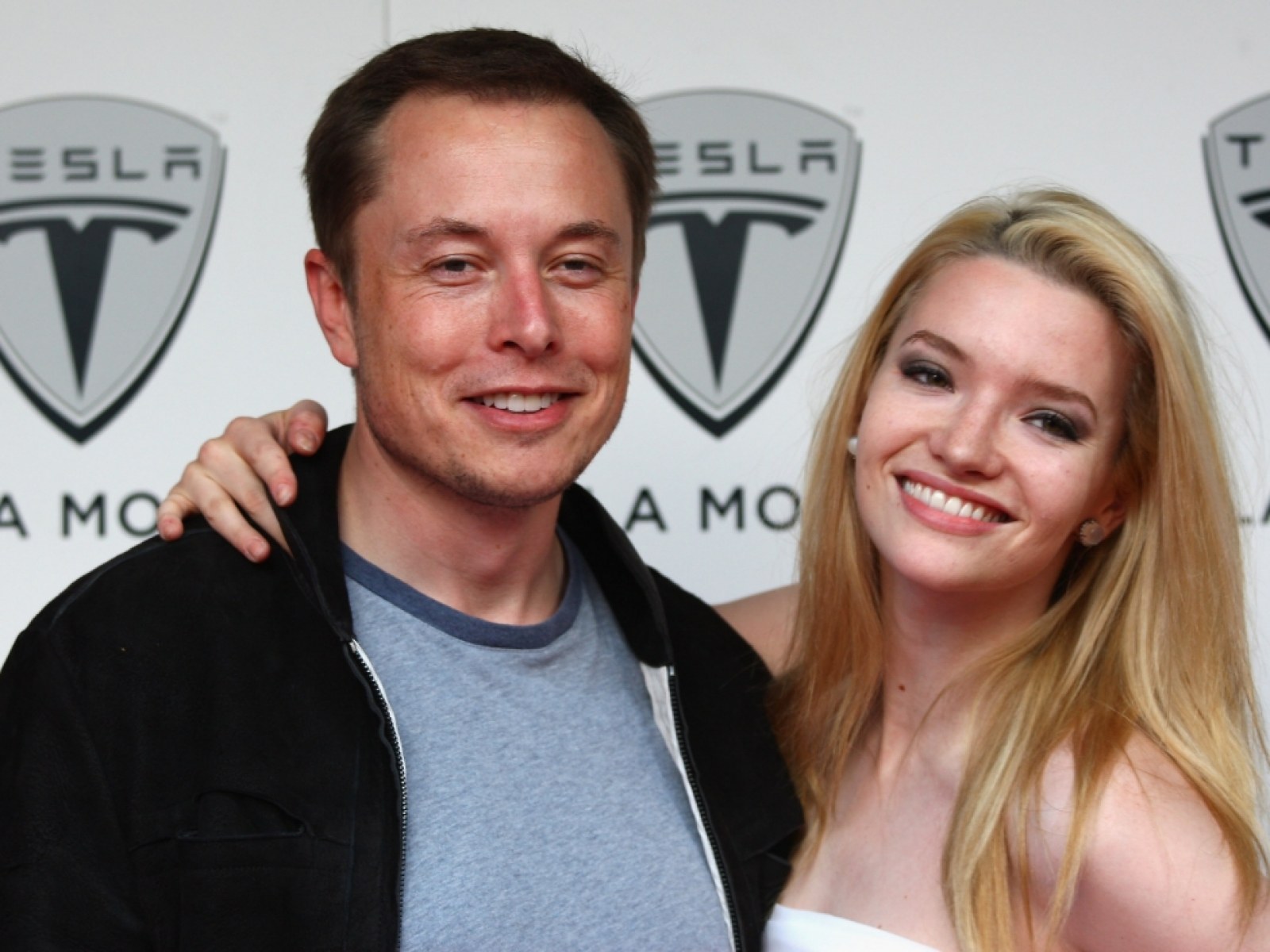
His father was building companies with enormous ambitions. His mother had her own career as a writer. There were five young children in the home, and the family name was becoming more recognizable with every passing year.
Then, when Saxon was only two, his parents’ marriage ended.
Elon and Justine divorced in 2008.
For most children, a family separation is private.
For the child of a billionaire whose public profile was rapidly growing, privacy was never going to be quite that simple.
Yet something surprising happened.
Saxon did not grow up chasing the spotlight.
He didn’t build his childhood around interviews. He didn’t become a teenage influencer. He didn’t use his surname to manufacture a public brand.
In fact, for someone connected to one of the most discussed people on the internet, remarkably little reliable information about Saxon’s private life has ever been made public.
What people did see came in fragments.
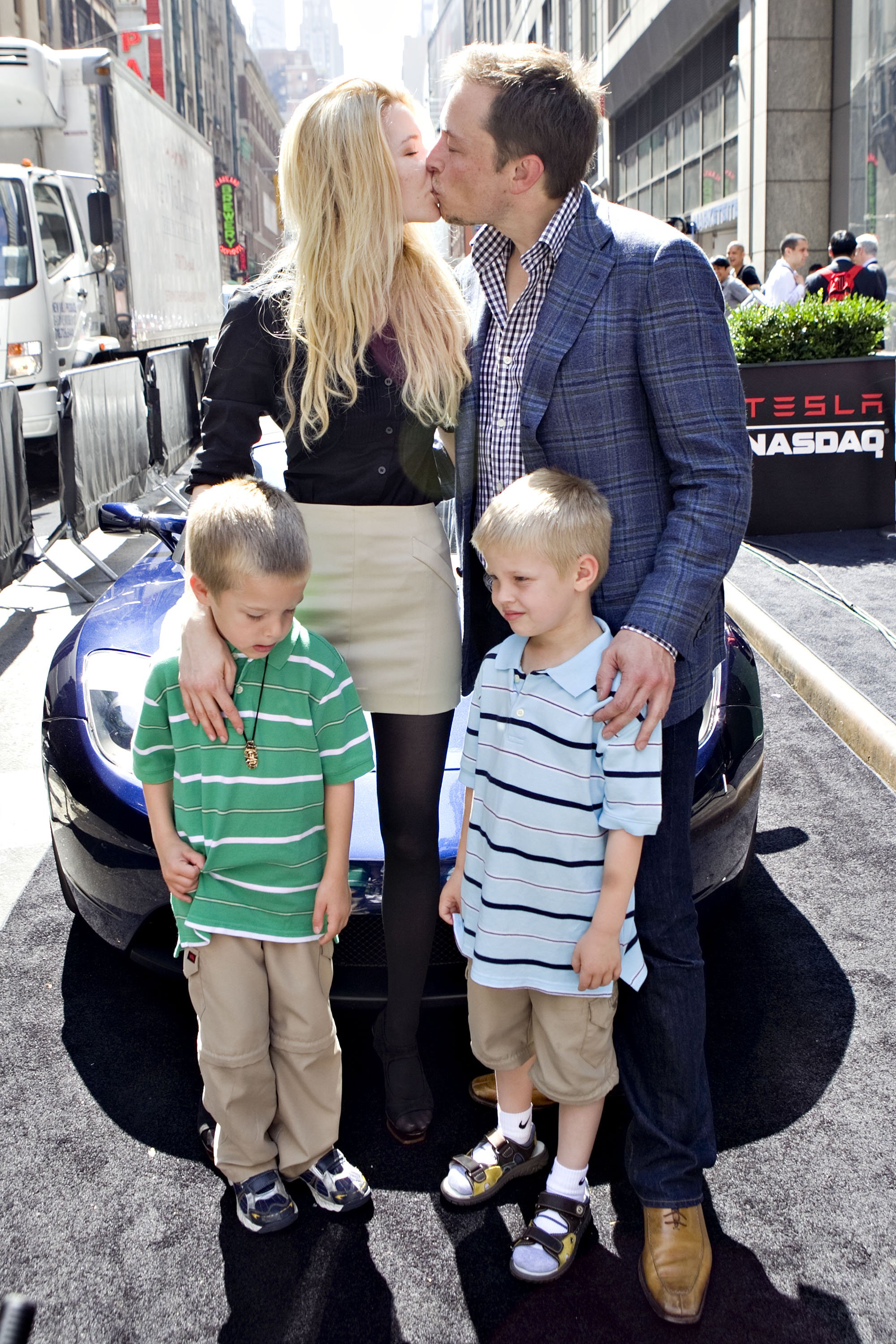
There were occasional family outings. Trips. Photographs. Public appearances alongside his father and siblings.
And then there was school.
Elon Musk became dissatisfied with conventional education and eventually created an experimental school called Ad Astra, initially educating his own children and a small group of others.
The philosophy behind it sounded exactly like something one might expect from Musk.
Rather than treating every child as if they should progress through identical material at an identical pace, the idea was to focus more closely on individual abilities, problem solving and practical reasoning.
Saxon and his siblings became part of that experiment.
Imagine the contrast.
Most children wake up, go to a school their parents selected and complain about homework designed by somebody they’ve never met.
Saxon’s father looked at the education system, decided he didn’t like parts of it, and effectively said: I’ll build another one.
That alone would have made his childhood unusual.
But the small details that occasionally escaped into public view were often far more ordinary.
One former babysitter who later described an encounter with the Musk children remembered them as polite and well behaved. She was particularly struck by how conscious they seemed about food and healthy choices.
It wasn’t the picture people might expect from children growing up around extraordinary wealth.
No story of throwing money around.
No dramatic entourage.
No miniature billionaire behavior.
Just kids being kids inside circumstances that were anything but normal.
And as Saxon grew older, his father began sharing something else.
His questions.
Sometimes his observations.
Sometimes his opinions.
Elon occasionally referred to him online by initials, “SJM,” leaving some followers initially wondering who he meant.
Saxon James Musk.
One example involved something as mundane as newspapers.
Saxon was reportedly puzzled that printed newspapers still existed in an age when information could be found online. From the perspective of someone born in 2006, the whole process apparently seemed strangely inefficient.
To an older generation, newspapers were normal.
To a teenager who had never known a world without instant digital information, printing yesterday’s information onto enormous sheets of paper could look almost absurd.
It was a tiny observation.
But it revealed something larger about growing up inside a technological generation.
Another time, the subject was gaming.
Saxon wondered about loot boxes and what people actually felt when they received valuable digital items before their friends did.
Was the pleasure about the item?
Or was part of it about having something other players didn’t?
Would friends become jealous?
Elon posted the question, and strangers began debating it.
Think about that for a second.
A teenager asks his father a question about video games.
His father puts it on the internet.
Suddenly thousands of adults are analyzing it.
That is what life looks like when your dad happens to have one of the largest personal audiences on social media.
There were other glimpses.
A gaming-related idea here.
An observation there.
A reported desire to own an absurd number of cats.
One particularly serious reflection followed the death of popular gaming creator Technoblade, who died from cancer in 2022.
For a generation of young people, Technoblade wasn’t simply a person on a screen. He had been part of their digital childhood.
Saxon’s reaction reportedly moved beyond gaming itself.
The larger message was simple: people can disappear sooner than you expect, so appreciate the time you have with them.
Suddenly, the boy occasionally presented online as the billionaire’s “opinionated son” sounded less like the child of a celebrity and more like millions of other teenagers confronting mortality through the unexpected death of someone they had watched for years.
That is where the public image of Saxon becomes interesting.
Because the obvious story seems to be his father.
The money.
Tesla.
SpaceX.
The famous surname.
The extraordinary family.
But look more closely and another story appears.
Saxon has spent most of his life doing something surprisingly difficult for a member of the Musk family:
Remaining relatively unknown.
Yes, he has appeared publicly.
In 2022, he accompanied his father during a visit with Pope Francis in Italy. His name has appeared in television databases in connection with a news-program appearance. Photographs of family outings have circulated for years.
But scattered appearances are not the same thing as choosing a public life.
And this is where the story takes an unexpected turn.
Search Saxon Musk’s name online and you may encounter social-media accounts claiming to belong to him.
Some speak enthusiastically about Elon.
Some approach strangers.
Some present themselves as though they are unquestionably authentic.
But a username containing “Musk” is not proof of identity.
The more carefully you separate verified information from recycled celebrity content, speculation and questionable accounts, the clearer the contradiction becomes:
The internet has created an enormous amount of content about Saxon while Saxon himself has publicly said relatively little.
That changes the way those old headlines look.
“Saxon Musk has an opinion on many things.”
Maybe.
But most of the evidence people were using came from a handful of thoughts his father chose to share.
Gaming.
Newspapers.
Cats.
Life and death.
Those fragments may reveal something about him, but they don’t constitute a complete personality.
And perhaps that distinction matters.
Especially now.
Saxon isn’t the teenager described in articles written several years ago anymore.
Born on the first day of 2006, he turned 20 in 2026.
His father’s family has also grown dramatically since the profiles that once described Saxon as one of Elon’s ten children. Current public reporting puts the number of Musk’s children at at least fourteen, although the family’s complicated structure and intense public attention have made even that number a recurring subject of news coverage.
Through all of those changes, Saxon remains one of the less publicly visible members of the family.
There is an irony in that.
Elon Musk has spent decades building things intended to attract enormous attention: rockets launching into orbit, electric cars, artificial intelligence companies, underground transportation projects and one of the world’s largest social platforms.
His son seems to have built almost nothing resembling a public celebrity machine around himself.
No endless interviews.
No highly documented lifestyle.
No obvious campaign to convert family fame into personal fame.
At least publicly, there has mostly been silence.
And silence creates a vacuum.
The internet hates a vacuum.
So other people fill it.
Biographical websites repeat the same handful of facts. Old anecdotes become new articles. Photographs circulate again. Unverified social accounts appear. Ordinary teenage comments become personality analysis because there isn’t much else to analyze.
Eventually, something strange happens.
The absence of information becomes information.
And the person at the center of the story can disappear behind the stories written about him.
That may be the real lesson hidden inside Saxon Musk’s unusual upbringing.
Fame is often described as access.
Access to extraordinary people.
Extraordinary places.
Extraordinary opportunities.
Saxon certainly grew up surrounded by experiences most people will never encounter. His father founded companies worth billions. He attended an unconventional school created by his own parent. He traveled internationally. He met prominent figures. His childhood unfolded within a family whose name became globally recognizable.
But fame also takes something.
The right to be ordinary without someone documenting it.
The right to ask a silly question without thousands of strangers interpreting your personality.
The right to change your mind without an old comment becoming permanent evidence of “who you are.”
The right, sometimes, simply to grow up.
For most of us, the embarrassing opinions we held at sixteen disappear into family conversations and forgotten group chats.
When your father has hundreds of millions of followers, they can become headlines.
That is the part of celebrity childhood people rarely think about.
Saxon Musk didn’t choose his surname.
He didn’t choose to be born into a family followed by photographers, reporters, fans and critics.
He didn’t choose the enormous public fascination surrounding his father.
What he does get to choose, increasingly as an adult, is what happens next.
Perhaps he will eventually become a public figure in his own right.
Perhaps he will build something.
Perhaps he will speak more openly.
Perhaps he will follow one of his father’s industries.
Perhaps he will do something nobody expects.
Or perhaps he will decide that being known by millions of strangers isn’t a prize worth chasing.
For now, the most responsible answer to the question “Who is Saxon Musk?” is also the least sensational one:
He is a 20-year-old man whose father happens to be one of the world’s most famous entrepreneurs—and whose own story has barely begun to be told in his own voice.
And maybe that is worth remembering whenever we look at the children of famous people.
A famous surname can tell you who someone’s parents are.
It can tell you where they came from.
It can open doors, create assumptions and guarantee attention.
But it cannot tell you who that person will become.
Sometimes the fairest thing we can do for a child born into somebody else’s spotlight is wait until they’re ready to tell us who they are.