The final gavel of justice fell in a Texas death chamber Tuesday night, closing a harrowing, 28-year chapter of legal warfare and grief that began with two gunshots in a suburban garage and ended with the silent execution of the man who once swore to protect the public. Robert Alan Fratta, a 65-year-old former Missouri City police officer and firefighter, was pronounced dead at 7:50 p. m.
at the Huntsville Unit, executed by lethal injection for orchestrating the 1994 murder of his estranged wife, Farah Fratta. In a moment that spoke volumes, the former lawman offered no final statement, no apology, and no last-minute plea for mercy, leaving the family of his victim to find closure in the cold finality of his death.
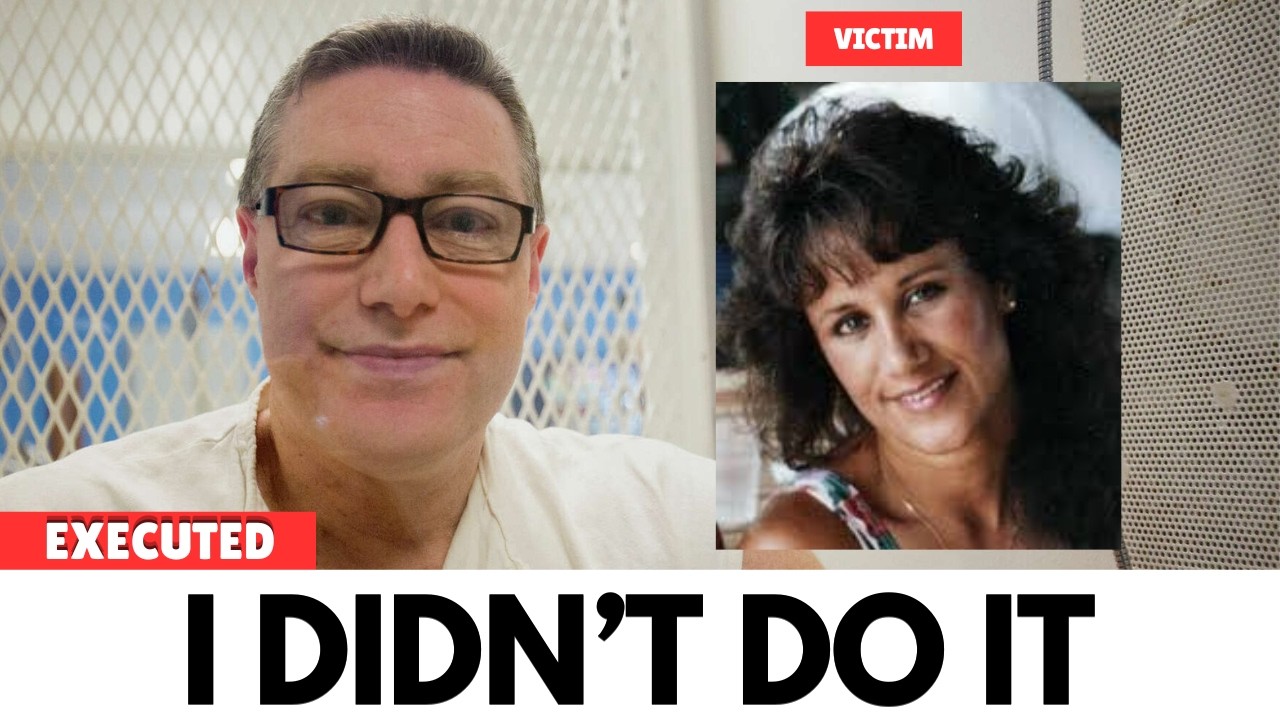 The execution unfolded after a day of intense legal drama, as Fratta’s attorneys launched a desperate, last-ditch effort to halt the proceedings. Their appeals, which challenged the constitutionality of the lethal injection drugs and cited claims of juror misconduct from his 2009 retrial, were swiftly rejected by the courts, clearing the path for the sentence to be carried out. Witnesses inside the execution chamber described a somber atmosphere, punctuated only by the quiet hum of the machinery administering the fatal dose of pentobarbital.
For the family of Farah Fratta, the silence from the man who took their mother’s life was a final, bitter confirmation of the coldness they had fought against for nearly three decades.
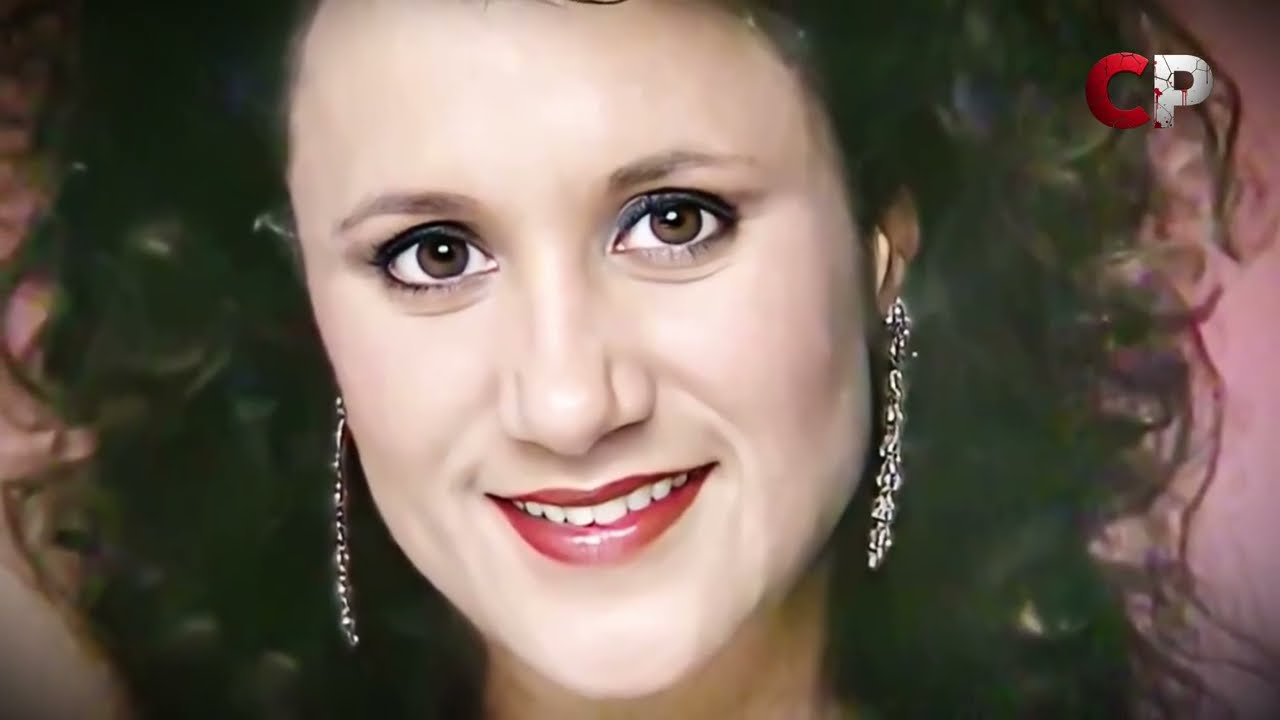
The case that led to this moment was one of the most chilling betrayals in Texas criminal history, a narrative that shattered the illusion of safety in a quiet Houston suburb. Farah Baquer, a vibrant British-born mother of three, had been navigating a painful divorce from Fratta, a man whose public persona of a dedicated public servant masked a private world of control and resentment. As the custody battle intensified in late 1994, Fratta’s complaints to friends and gym acquaintances took a sinister turn, evolving from grievances about finances into pointed inquiries about finding someone to make his problems “disappear.”
His search for a solution would ultimately lead him to a 19-year-old man desperate for cash and a used Jeep.
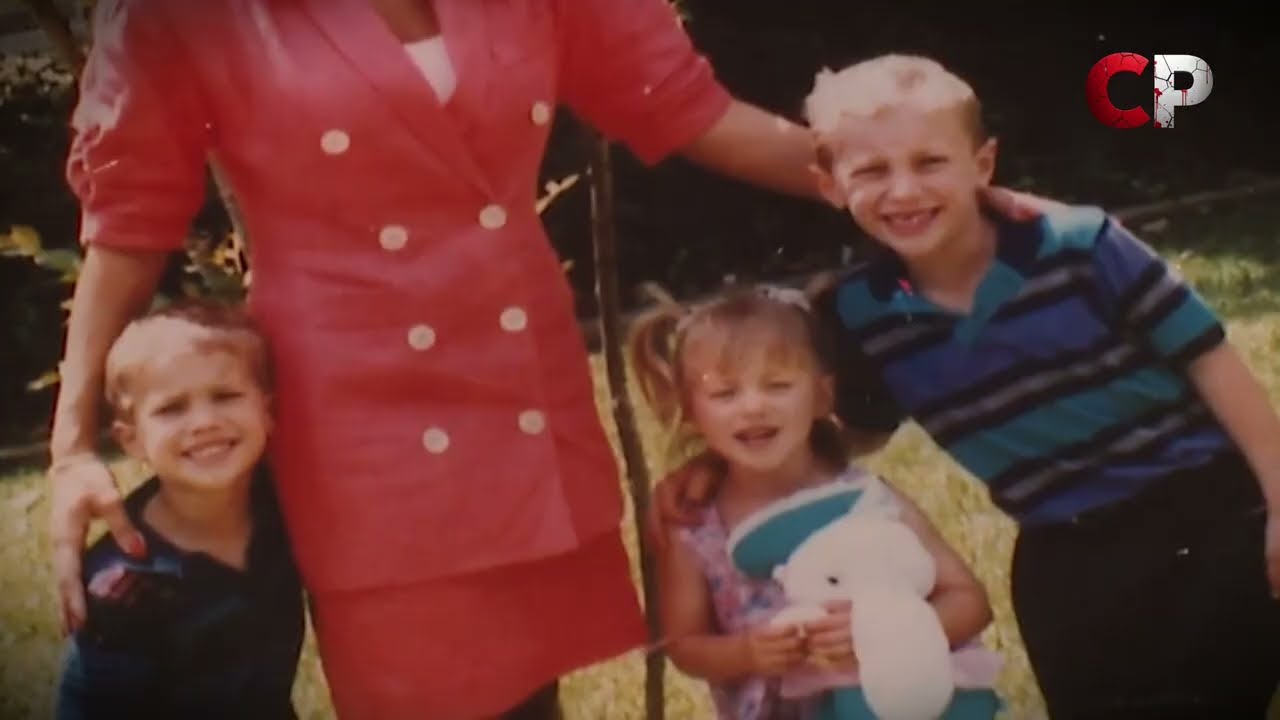
On the evening of November 9, 1994, the carefully constructed plan was set into motion. While Fratta sat in church with two of their children, establishing what he believed was an unshakeable alibi, Farah pulled her minivan into the garage of their Atascocita home with her three young children in the backseat. As she stepped out, a masked gunman emerged from the shadows, firing a single shot that struck her in the head.
As she lay dying on the cold concrete, the assailant approached and fired a second, execution-style shot at close range, all while her children remained frozen in terror just feet away inside the vehicle. The brutal attack left the community reeling and initially baffled investigators, who found no immediate motive for the random act of violence.
 The investigation initially went cold, with detectives chasing dead-end leads while Fratta maintained a composed and impatient demeanor, urging police to hurry so he could tend to his children. However, the case took a dramatic turn months later when a tip connected a young man named Howard Guidry to the murder. Guidry, who had been arrested following a bank robbery, was linked to the crime through a .
38 caliber revolver found in his possession. The weapon, a Charter Arms pistol, was traced back through federal records, revealing it had once belonged to Fratta himself, who had reclaimed it from his father-in-law months before the murder. This crucial piece of evidence, combined with the testimony of the getaway driver, Joseph Pristash, shattered Fratta’s carefully constructed facade.
Pristash, who had brokered the deal between Fratta and the young gunman, eventually cooperated with prosecutors, painting a detailed picture of the conspiracy that had been hatched in the fluorescent-lit corners of a local gym. He testified that Fratta had promised Guidry $1,000 and a used Jeep for the hit, emphasizing the need for it to look like a random attack. The testimony painted Fratta as a mastermind who used his position and knowledge of police procedure to plan the perfect crime, believing his church alibi would protect him.
In 1996, a jury found Fratta guilty of capital murder, but the verdict was overturned in 2001 on a technicality regarding jury selection, forcing the family to endure a second trial.
The retrial in 2009 proved to be an even more harrowing ordeal for the victims’ family, as they were forced to relive the gruesome details of the murder. Farah’s elderly father, Lex Baquer, sat stoically in the courtroom every day, representing the family’s pain and ensuring his daughter’s memory was honored. The prosecution again presented the mountain of evidence, including the gym testimony and the damning ballistics report, and the jury once more returned a guilty verdict, sentencing Fratta to death.
 For the Baquer family, the verdict was a validation of their long fight, but it was only the beginning of another long legal battle as Fratta’s appeals dragged on for over a decade.
The years that followed were a torturous limbo for the family, filled with a seemingly endless series of appeals and legal maneuvers that challenged everything from the drugs used in lethal injections to the broader constitutionality of the death penalty. Fratta remained on death row at the Polunsky Unit, a ghost haunting the family’s attempts to heal. Each court date brought a fresh wave of anxiety, a reminder that the man who had shattered their lives might somehow escape the ultimate punishment.
The children, Bradley, Daniel, and Amber, who had witnessed their mother’s murder, grew into adults carrying the invisible scars of that traumatic night, their lives forever shaped by the violence they had seen.
As the execution date approached this week, the emotional toll on the family was palpable, yet they remained resolute in their determination to see justice served. Lex Baquer, now in his late 80s, made the journey to Huntsville to witness the execution, a final act of courage to stand for his daughter and the grandchildren he had helped raise. The legal team for Fratta made one last push, filing emergency appeals with the Supreme Court, but their efforts were in vain.
The courts declined to intervene, and the process moved forward with a grim, procedural efficiency, a stark contrast to the decades of emotional turmoil that had led to this point.
 Inside the execution chamber, the atmosphere was heavy with the weight of history. Fratta, strapped to the gurney, showed no emotion as the warden read the death warrant. When asked if he had any final words, he remained silent, his eyes fixed on the ceiling, a final act of defiance that denied the family any semblance of remorse or explanation.
The lethal drugs began to flow, and within minutes, the man who had orchestrated a murder to win a custody battle was gone. For the witnesses, the silence in the room was more damning than any confession could have been, a final testament to the cold, calculating nature of the man who had just been executed.
The execution of Robert Fratta brings a definitive end to a case that has haunted the Houston area for nearly three decades, serving as a stark reminder that the monsters we fear are often not strangers lurking in the dark, but those who hold positions of trust. The former police officer, a man sworn to uphold the law, used his knowledge and authority to commit the ultimate betrayal, leaving a trail of devastation that will forever mark the lives of his children. While the legal battle is over, the emotional aftermath will linger, a permanent reminder of a mother whose life was stolen in the most violent way imaginable.
For the Baquer family, Tuesday night’s execution is not a moment of celebration, but a moment of long-awaited peace. It is the culmination of a 28-year fight for accountability, a fight led by a father who refused to let his daughter’s memory fade. While no execution can bring Farah back, it closes the final chapter of a painful saga, allowing the family to move forward without the looming shadow of the man who took their loved one away.
The quiet dignity they displayed throughout the process stands in stark contrast to the man who met his end without a word, leaving behind a legacy defined not by his service, but by his ultimate, unforgivable crime.