The air reeked of burning lime. In 1917, the British blockade had choked Germany’s supply lines, leaving the war effort desperately short of fats and oils. Yet the Germans still had plenty of nitroglycerin for their guns. The question was: where were they getting it?
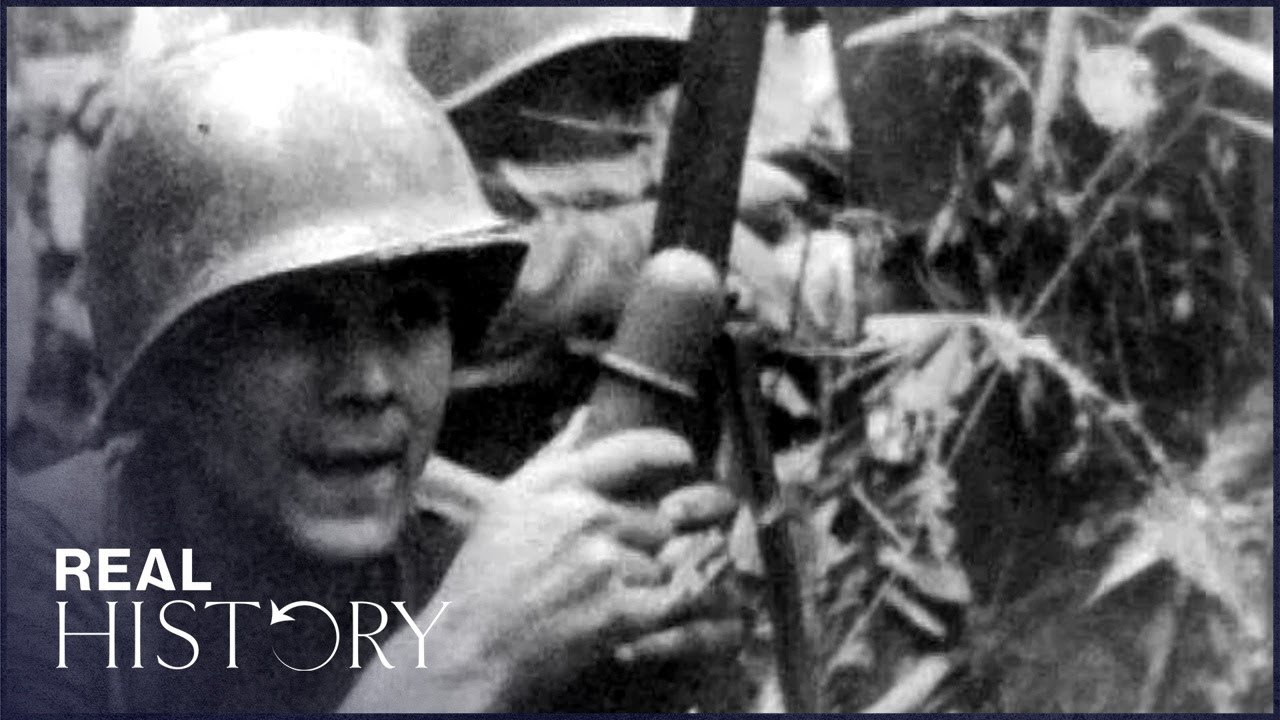
Then The Times published a story that answered in the most horrifying way imaginable. Citing a Belgian newspaper, it claimed the Germans were boiling their own dead soldiers in factories called “Kadaververwertungsanstalt” to extract fat for explosives. A POW gave a second interview, describing how bodies were hung on chains, dipped in disinfectant, dried, then boiled and beaten with paddles until only a corpse soup remained. The fat was then turned into munitions.
The story spread like wildfire, fueling Allied propaganda and turning neutral nations against Germany. Years later, in 1925, a British intelligence officer named John Charteris was overheard boasting at a dinner party that he had fabricated the entire tale. He claimed he had simply swapped the captions on two photographs: one showing dead horses being transported to a rendering plant, the other showing dead soldiers being taken to their graves. When confronted, he denied everything, saying he had only been trying to impress his American audience.
The truth behind the corpse factories remains murky to this day. A photograph found in 2017, stamped “for propaganda purposes,” only deepens the mystery. But the legacy of this grisly story endured, casting a dark shadow. When reports surfaced in the 1940s that the Nazis were turning Jews into soap, many dismissed them as false, because they sounded too much like the tales told after the First World War.
In 1941, Hitler’s tanks had swept across Western Europe. Only one foothold remained in Allied hands: Gibraltar. This tiny peninsula controlled the entrance to the Mediterranean, the vital sea route connecting Britain to its empire. Hitler knew that seizing it would choke Britain’s trade and open the way for his navy.
The British knew it too. They evacuated civilians, reinforced the naval base, laid mines across the isthmus, and carved a massive network of tunnels into the Rock, capable of sheltering 16,000 men for 16 months. But they doubted these defenses would hold against a full-scale Nazi assault. So they devised a last-ditch plan, one of the most terrifying secrets of World War II: Operation Tracer.
Deep inside the Rock, near Iris Battery, the British carved a hidden chamber. It was about 13 meters long, 4 meters wide, and 2. 4 meters high, stocked with enough supplies for six men to survive for an entire year. Two narrow crawlspaces led to concealed observation posts overlooking the bay and the Mediterranean.
From these hidden vantage points, the team could radio back details of enemy ship movements, completely undetected. The entrance was buried under tons of rock. The Germans would never find it. But that also meant the men inside could never leave.
They were to be buried alive. If the Allies didn’t reclaim Gibraltar within 12 months, the men would either starve or be forced to surrender to the enemy — if they were even captured. The volunteers were told they would be sealed underground for a year. One of them, a young surgeon named Bruce Cooper, signed up for a “special mission” without knowing what it entailed.
He and his team trained intensively, learning how to survive in confinement for months on end. By mid-1942, they were ready to be sealed inside the cave. But the invasion never came. Rommel was defeated at El Alamein, draining German resources.
And Franco, despite his sympathies, refused Hitler free passage through Spain. The Germans simply never got the chance to attack Gibraltar. The team was stood down, and the cave was forgotten. It remained hidden for over fifty years.
Then, in 1997, cave explorers stumbled upon it, almost perfectly preserved. They couldn’t believe what they had found. Bruce Cooper, then 93 years old, came forward and confirmed it all. “Yes, we trained for it.
We were ready to go. But they never used us. ”
The discovery prompted a chilling question: were there other such hidden caves, prepared in fear of invasion? Some were built in Malta and Aden.
But how many more remain undiscovered? Perhaps, somewhere in the world, there is still a lone British soldier, sealed in a forgotten cave, waiting for a war that ended decades ago. Or perhaps not.