Will Smith has updated the status of I Am Legend 2, which only underlines a huge mistake the original movie made shortly before its release.
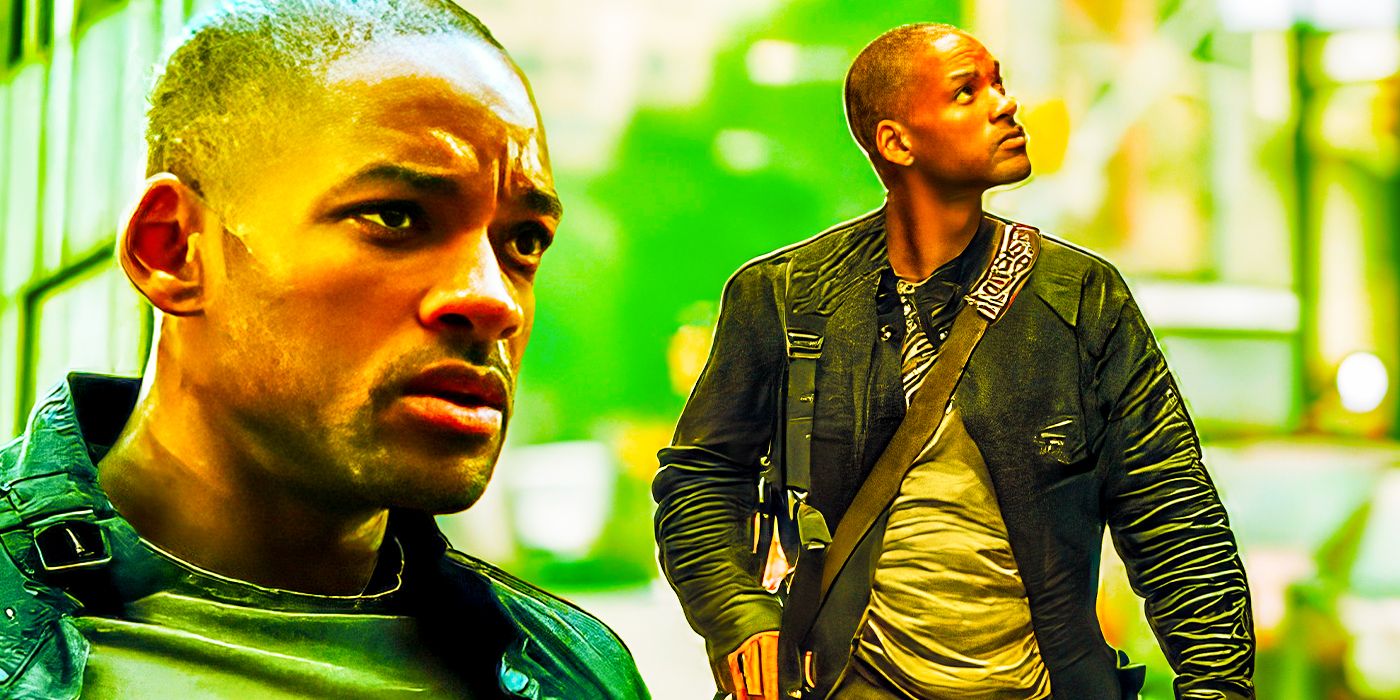
Will Smith’s return for I Am Legend 2 only reinforces the original movie’s biggest error, years after its release. I Am Legend was the third adaptation of Richard Matheson’s totemic horror novel, which inspired everyone from George A. Romero to Stephen King. The novel’s simple but ingenious premise pits the last man alive against a world full of vampires, but while the Will Smith adaptation used the book’s concept, it changed a lot, including dropping the grim ending. In the book, protagonist Neville realizes the vampires see him as a monster, as he’s been staking them in their sleep, and that they are the next step in evolution.
The dying Neville also realizes that in the decades ahead, he’ll be considered a “legend” among the vampires, just as they used to be to mankind. That’s way too dark for a Warner Bros blockbuster, but the Will Smith I Am Legend still ends on a bittersweet note, where the main character sacrifices himself in an explosion to save other survivors from the “Darkseeker” mutants. Despite this, I Am Legend 2 is finally happening with Michael B Jordan starring and Smith also returning.
While the I Am Legend movie stays true to some concepts of the original book, it brings some significant changes to its lore and character beats.Will Smith Has Confirmed I Am Legend 2 Will Use The Original’s Alternate Ending
The sequel will ignore Neville’s death
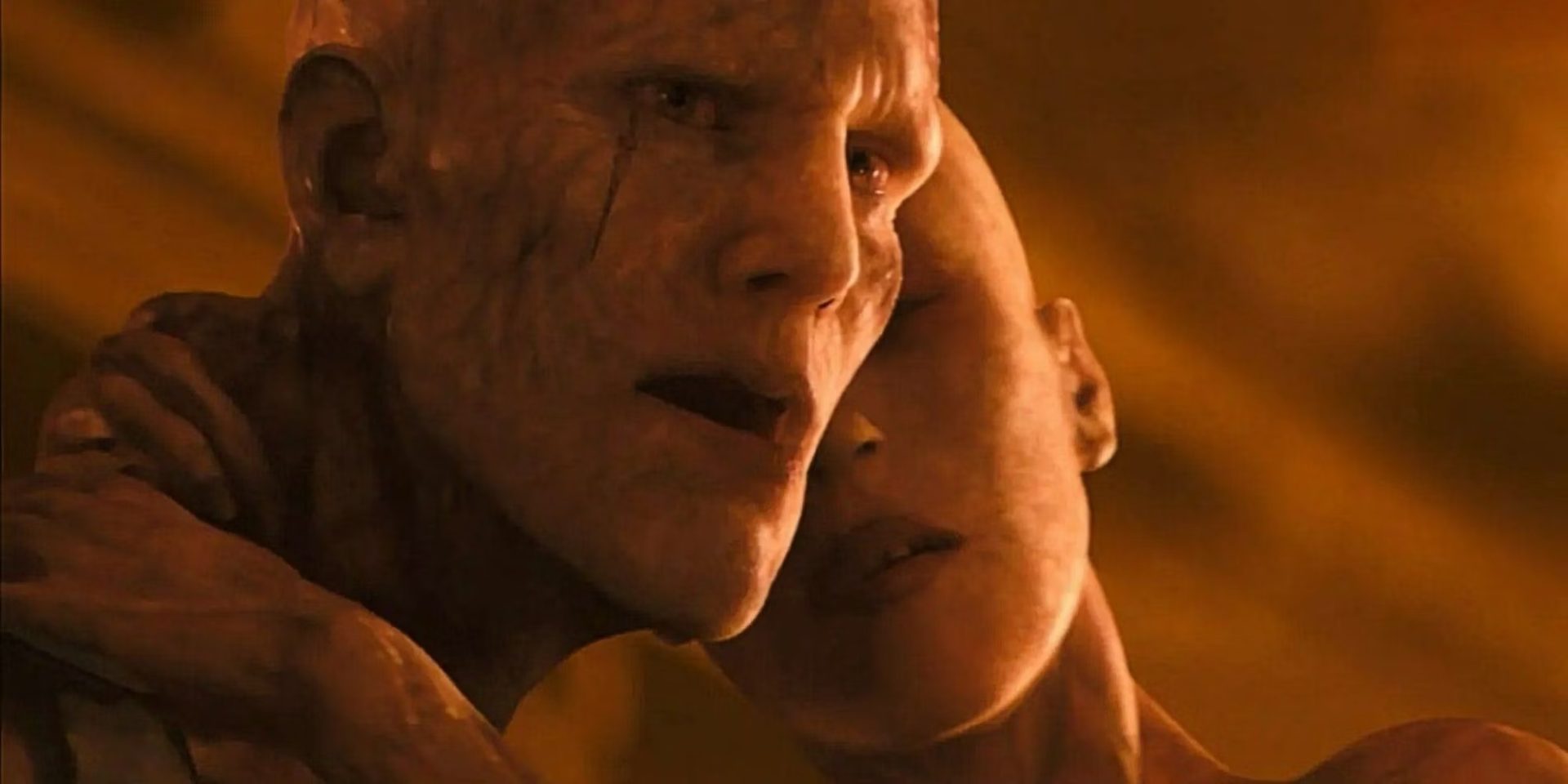
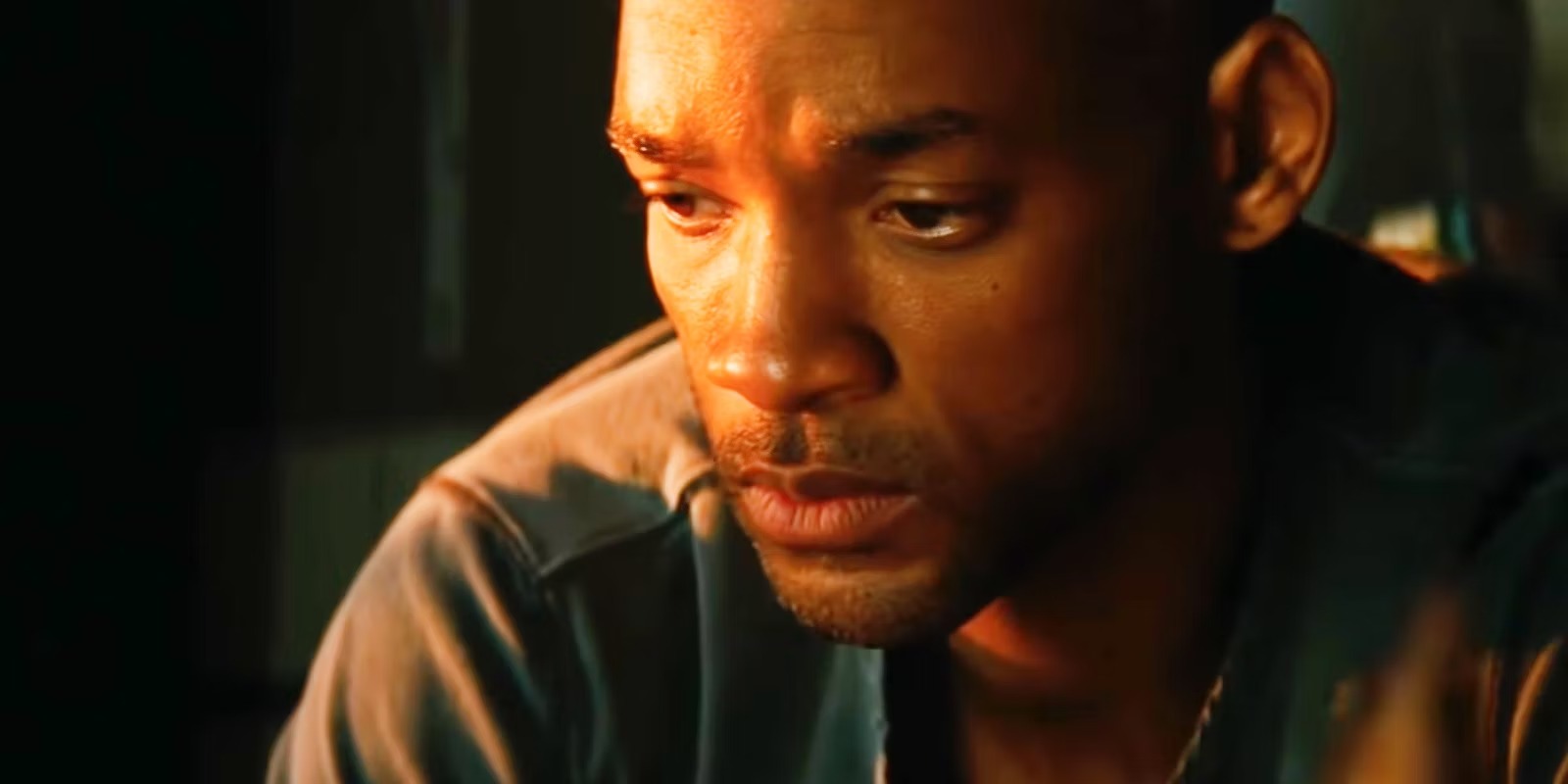
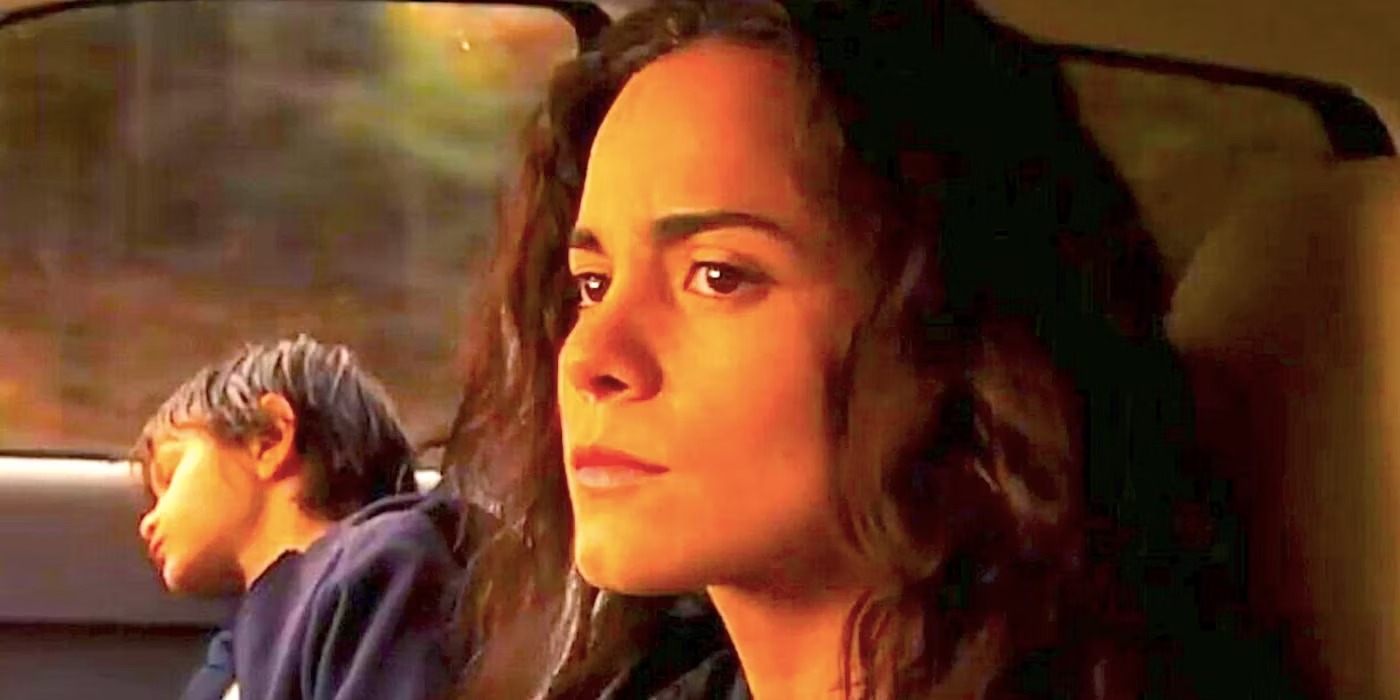

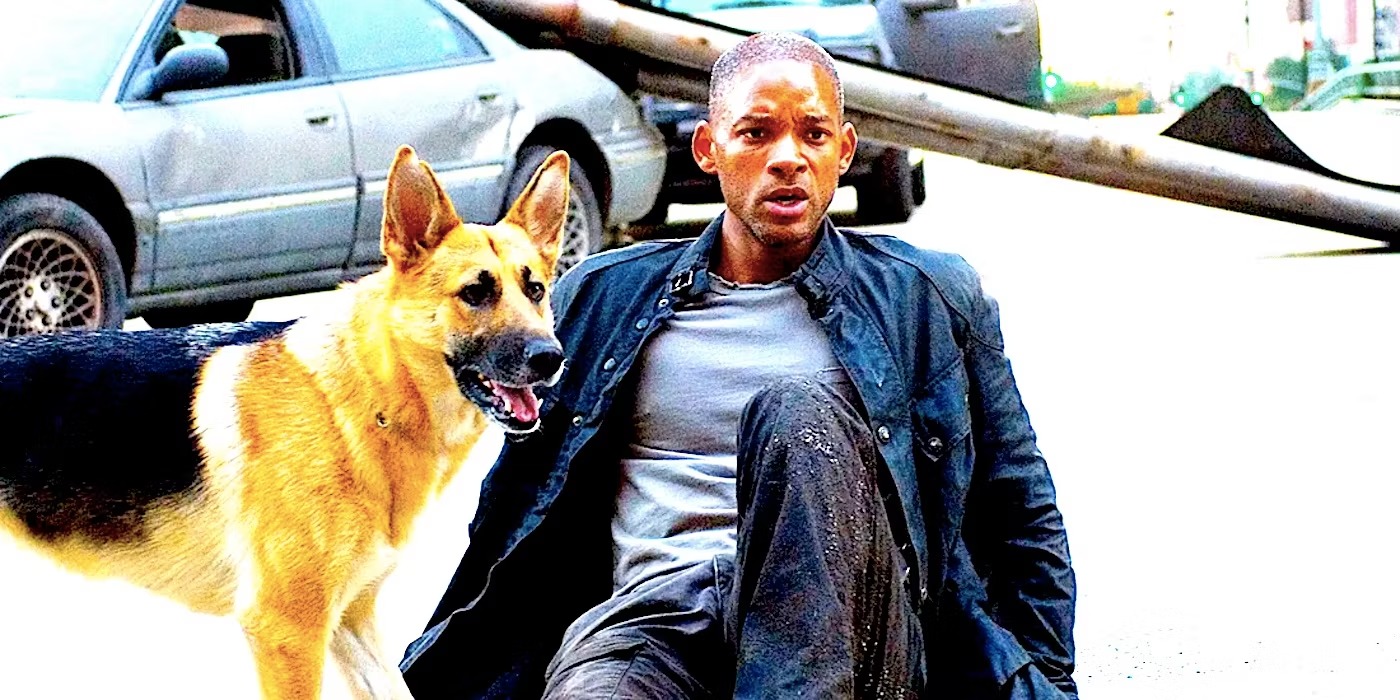
While it had already been confirmed the sequel would use I Am Legend’s alternate ending where Neville survived, Smith himself underlined this once more during a conversation at the Red Sea International Film Festival (via Variety). In this ending, Neville realizes the “monstrous” Darkseekers are actually sentient and have been trying to rescue one of their own from Neville’s stronghold. After he hands back this kidnapped member of the group, the creatures move on, and the story ends with Neville driving out of New York with Alice Braga’s Anna to parts unknown.
While it might lack the more explosive conclusion of the theatrical edit, I Am Legend’s alternate finale is often been cited as the superior one. It pays off the movie’s prior hints that the Darkseekers aren’t just mindless monsters – like the way they set a trap for Neville – and it stays closer to the themes of Matheson’s book.
I Am Legend 2’s Ending Retcon Confirms How Big The Original Movie’s Mistake Was
The movie’s alternate ending was always the best choice
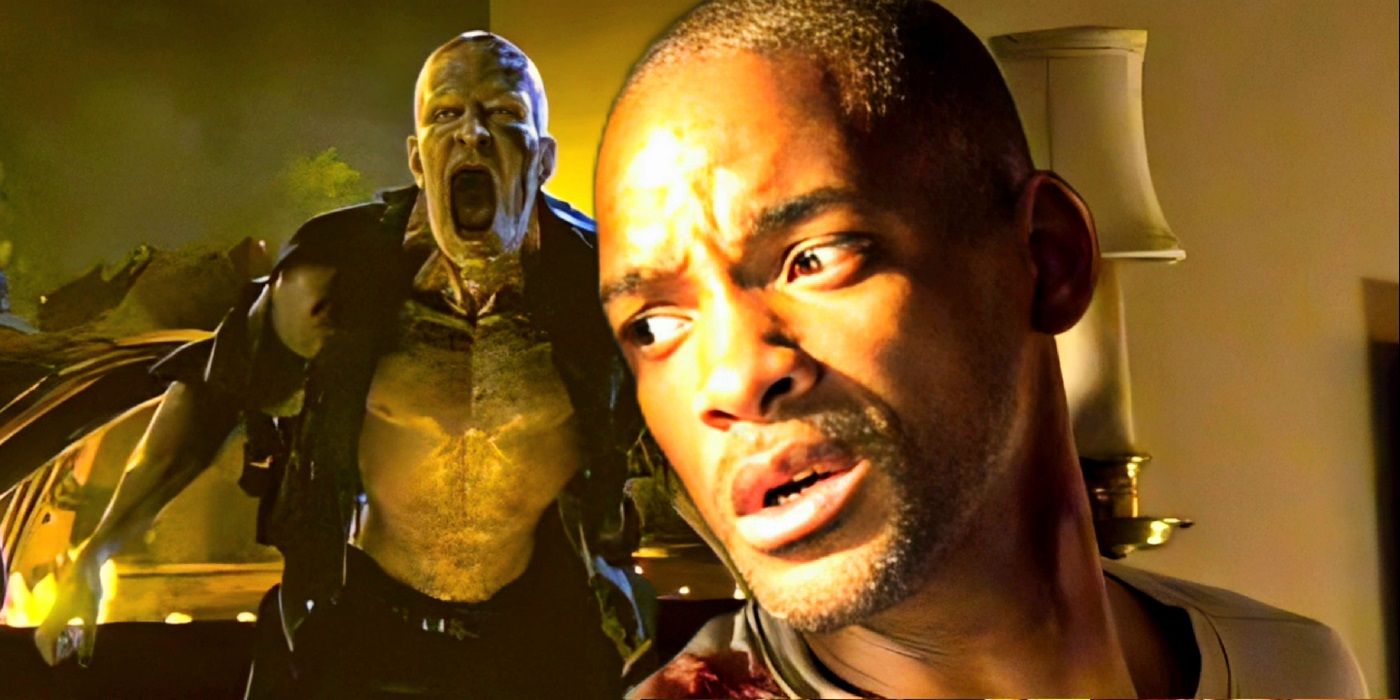
Following the huge success of I Am Legend, the studio spent years trying to develop a follow-up. There was a sequel concept that involved cloning Smith’s Neville, or a prequel that followed the character as he witnessed the fall of mankind; this draft also featured an attack by a Darkseeker elephant. When it was decided there was no organic way to resurrect Neville, talk of a sequel rapidly faded, and Warner Bros looked at developing a reboot instead.
RELATED:I Am Legend 2 Using The Alternate Ending Is Good – But There’s 1 Problem
The fact I Am Legend 2 can only exist due to the original’s rejected ending is fairly ironic. Regardless of the testing screening results, it was the superior option, with the theatrical release’s sacrifice ending feeling overblown and hollow in comparison. In truth, neither finale beat the ending of Matheson’s novel, but the alternate ending at least felt in line with the author’s original themes.
Why I Am Legend Changed Its Ending At The Last Minute
The theatrical ending was shot weeks before the movie premiered
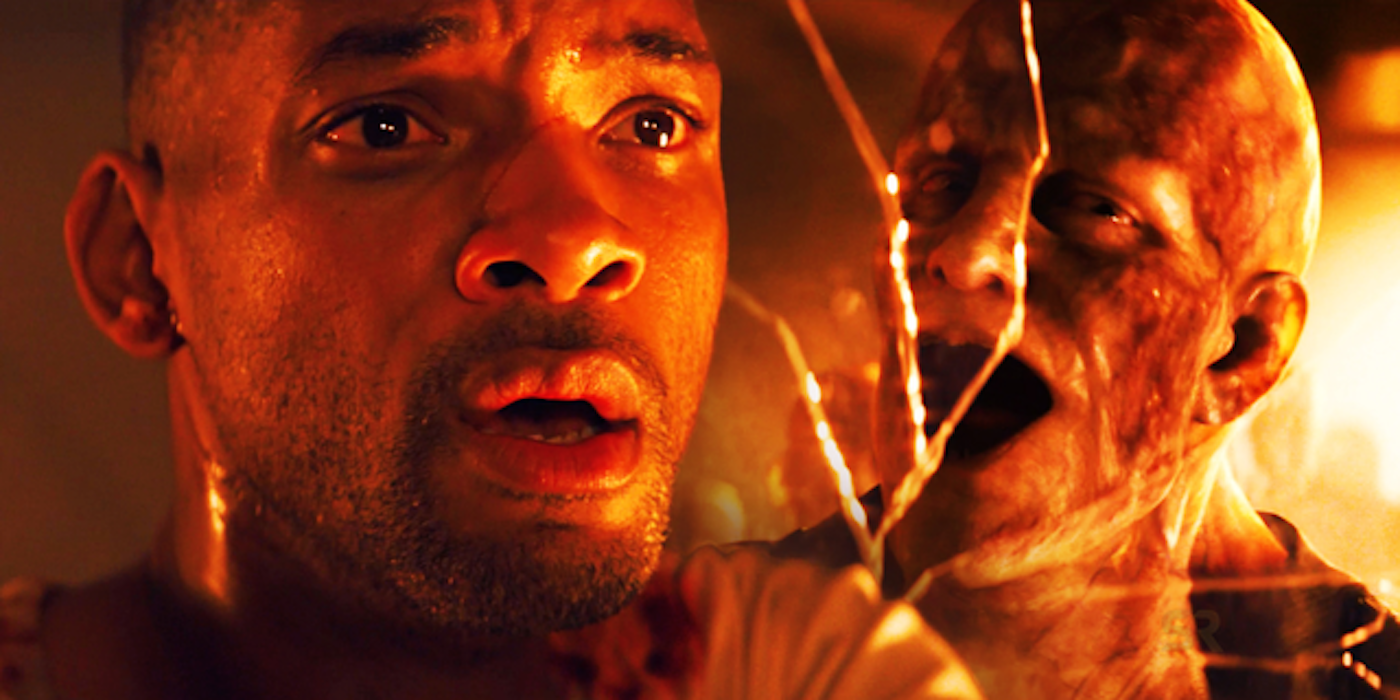
I Am Legend spent years in development hell, where everyone from Ridley Scott to Michael Bay circled it. When it finally went into production it was oddly rushed, as a gap had opened up in Smith’s busy schedule and it needed to be shot quickly. This rush also accounts for the weakness in the CGI Darkseekers, since they were meant to be shot practically before it was decided to switch to digital creatures during filming. When the film was test-screened shortly before release, audiences balked at the first ending.
Test audiences didn’t like the idea Smith’s Neville was something of a villain and wanted something more heroic and uplifting. Hence, a new ending had to be filmed barely a month before I Am Legend hit theaters. In an interview with Lawrence at The Messenger, he reflects with some irony that the alternate ending got way better reviews, especially considering how badly it tested.
We shot that because the original ending tested really, really, really badly, and, of course, we later released the alt-ending and then that gets better reviews. We shot the theatrical ending over three days, probably three weeks before the movie came out. It was last-minute, because we were like, ‘Oh man, this ending is not testing well, we’ve got to come up with something and put it together fast.
It’s unknown what the actual concept of I Am Legend 2 will be, or how big a role Smith’s Neville will play. Still, there’s excitement for the follow-up, as despite its faults, the original film has aged well and contains arguably Smith’s best work as an actor. I Am Legend 2 may have to open with the alternate ending too, to explain to audiences who only saw the theatrical cut how Neville is alive. In hindsight, it feels like Warner Bros could have saved itself a lot of pain had they just stuck with the original plan.