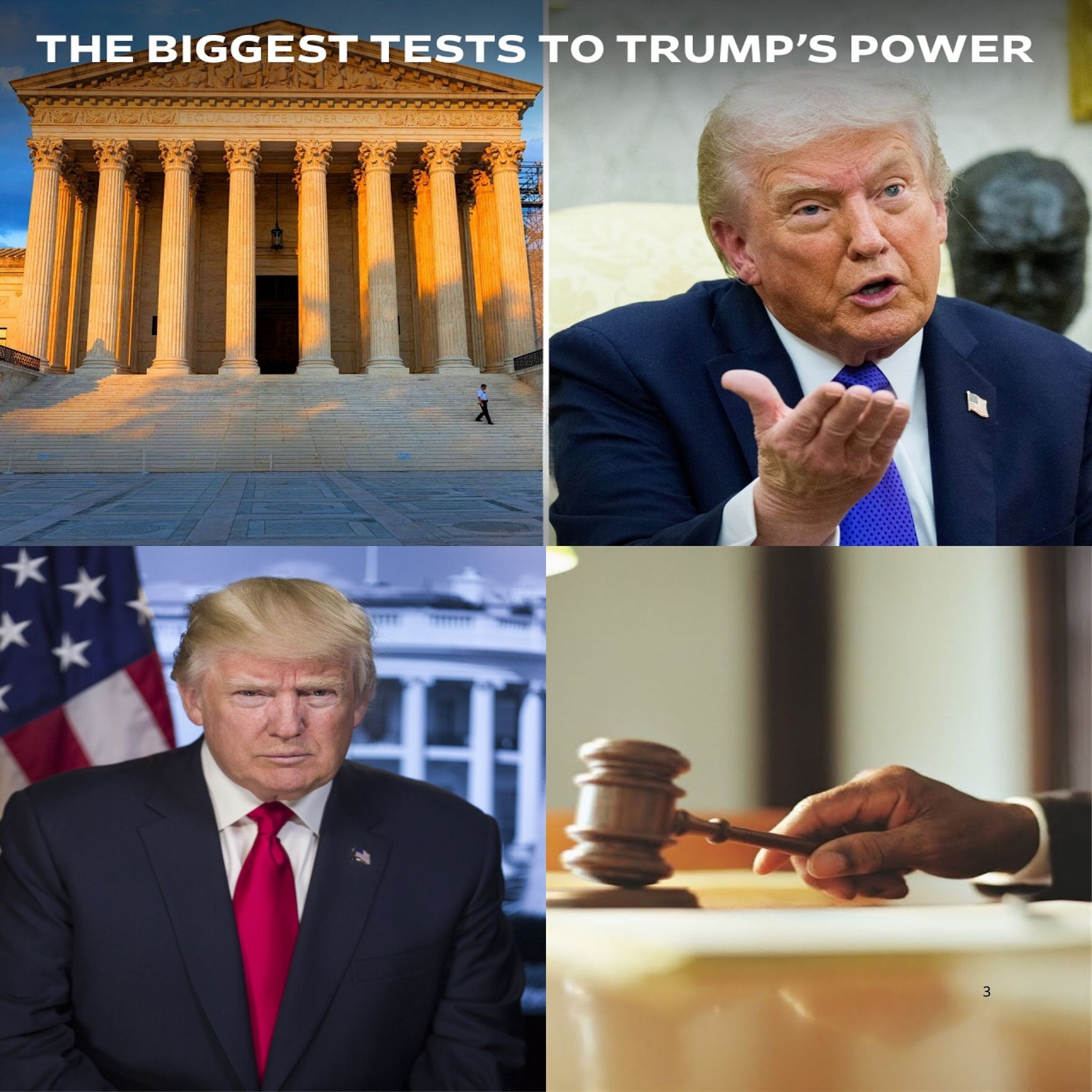
The Trump presidency is on a collision course with the judiciary, as over 400 lawsuits challenge the limits of executive power, potentially redefining the presidency’s scope for generations. From trade tariffs to immigration policy, President Trump’s expansive interpretation of his authority is facing intense scrutiny in federal courts across the nation.
At the heart of these legal battles is the contentious issue of emergency powers. Trump has invoked emergency authority to impose tariffs, claiming a national emergency due to the trade deficit. However, his administration’s broad interpretation of what constitutes an emergency is under fire, with courts questioning whether such actions are legally justified. This legal precedent could significantly impact future presidential actions during crises.
Immigration policy is another flashpoint, with Trump’s administration using the Alien Enemies Act to detain Venezuelans without due process. Critics argue that this interpretation stretches the law beyond its intended scope, raising fundamental questions about the rights of non-citizens and the president’s authority to act unilaterally in matters of national security.
The issue of birthright citizenship has also emerged as a critical legal battleground. Trump’s executive order on his first day in office sought to deny citizenship to children of illegal immigrants, challenging over a century of legal precedent established by the 14th Amendment. Legal scholars overwhelmingly contend that the amendment guarantees citizenship to all born on U.S. soil, making this case pivotal for future immigration and citizenship laws.

Additionally, the administration’s efforts to dismantle government agencies, particularly the Department of Education, are drawing lawsuits from states. Critics argue that Trump is overstepping his constitutional bounds by undermining the legislative authority that established these agencies, raising alarms about the potential for executive overreach.
The independence of federal agencies, particularly the Federal Reserve, is also at stake. Trump’s attempts to remove Federal Reserve governor Lisa Cook have sparked debates about the president’s ability to influence independent bodies. The Supreme Court’s cautious stance on this issue suggests a recognition of the unique protections afforded to the Fed, which could limit presidential power over such entities.
These cases collectively present profound questions about the balance of power within the U.S. government. The outcomes could reshape the relationship between the presidency, Congress, and the judiciary, setting critical precedents for the future. As these legal battles unfold, they will not only define Trump’s legacy but also establish the parameters of executive authority for decades to come. The stakes are high, and the implications of these cases will resonate far beyond the courtroom.