On July 6, 1999, one of the most feared and disturbing serial predators in American criminal history was executed by lethal injection, bringing a grim end to a case that had horrified the nation for more than a decade. Gary Heidnik — the self-proclaimed bishop and former Army medic who abducted, imprisoned, tortured, and murdered women inside his North Philadelphia home — spent years on death row before Pennsylvania finally carried out his execution.

But for many Americans, the nightmare connected to Heidnik never truly ended.
Investigators described his home as a real-life “house of horrors,” a place where vulnerable women were held captive in a filthy basement under conditions so horrifying that even seasoned detectives struggled to process the crime scene. Prosecutors revealed that Heidnik used manipulation, violence, starvation, and psychological terror to control his victims, many of whom were targeted because of their vulnerable circumstances and lack of support systems.
Authorities said several women were chained inside the basement for extended periods while Heidnik carried out repeated acts of torture and abuse. Survivors later revealed chilling details about the conditions they endured, describing constant fear, physical violence, and the terrifying uncertainty of whether they would ever escape alive. According to testimony presented during the investigation, Heidnik’s crimes escalated over time, eventually leading to the deaths of multiple victims.
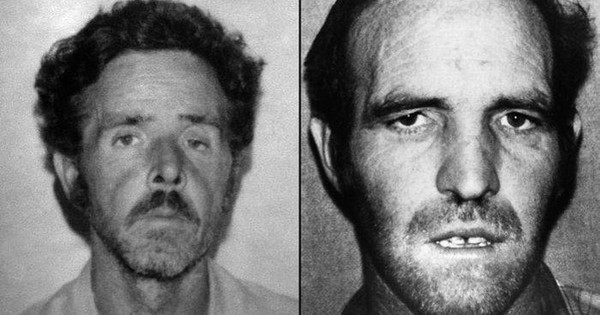
The case shocked the country not only because of the brutality involved, but because Heidnik had managed to hide the crimes for so long while presenting himself publicly as a religious figure. Detectives later uncovered disturbing evidence inside the home, exposing the extent of the abuse and the calculated methods Heidnik allegedly used to isolate and dominate the women he kidnapped.
The nightmare finally came crashing down after survivor Hosaphina Rivera managed to help authorities uncover the truth. Her courage became one of the most important breakthroughs in the investigation, allowing police to enter the property and rescue remaining victims before even more lives were lost. Many investigators later acknowledged that without Rivera’s actions, the killings may have continued much longer.
During the trial, prosecutors painted Heidnik as a deeply manipulative predator driven by sadism and control. The courtroom heard horrifying testimony from survivors, investigators, and medical experts who detailed the physical and emotional trauma suffered by the women trapped inside the home. Jurors ultimately convicted Heidnik of multiple murders and related crimes, sending him to death row.

Even years later, the case continued haunting true crime investigators, criminologists, and victim advocates because of the sheer scale of psychological terror inflicted behind closed doors. Questions were also raised about how vulnerable women could disappear without immediate intervention and whether warning signs were overlooked before the crimes escalated into murder.
When Heidnik was finally executed in 1999, witnesses described his final moments as quiet and emotionless — a stark contrast to the unimaginable suffering connected to his crimes. For survivors and victims’ families, the execution marked the official end of one of America’s darkest criminal cases. But the trauma left behind would never fully disappear.
Today, the story of Gary Heidnik remains one of the most disturbing examples of captivity, torture, and serial violence in U.S. criminal history — a chilling reminder of how evil can hide in plain sight while entire lives are destroyed behind locked doors.