Inside the Palace of Versailles: Heritage, Money, Power, and the Modern Controversies Behind a World Icon
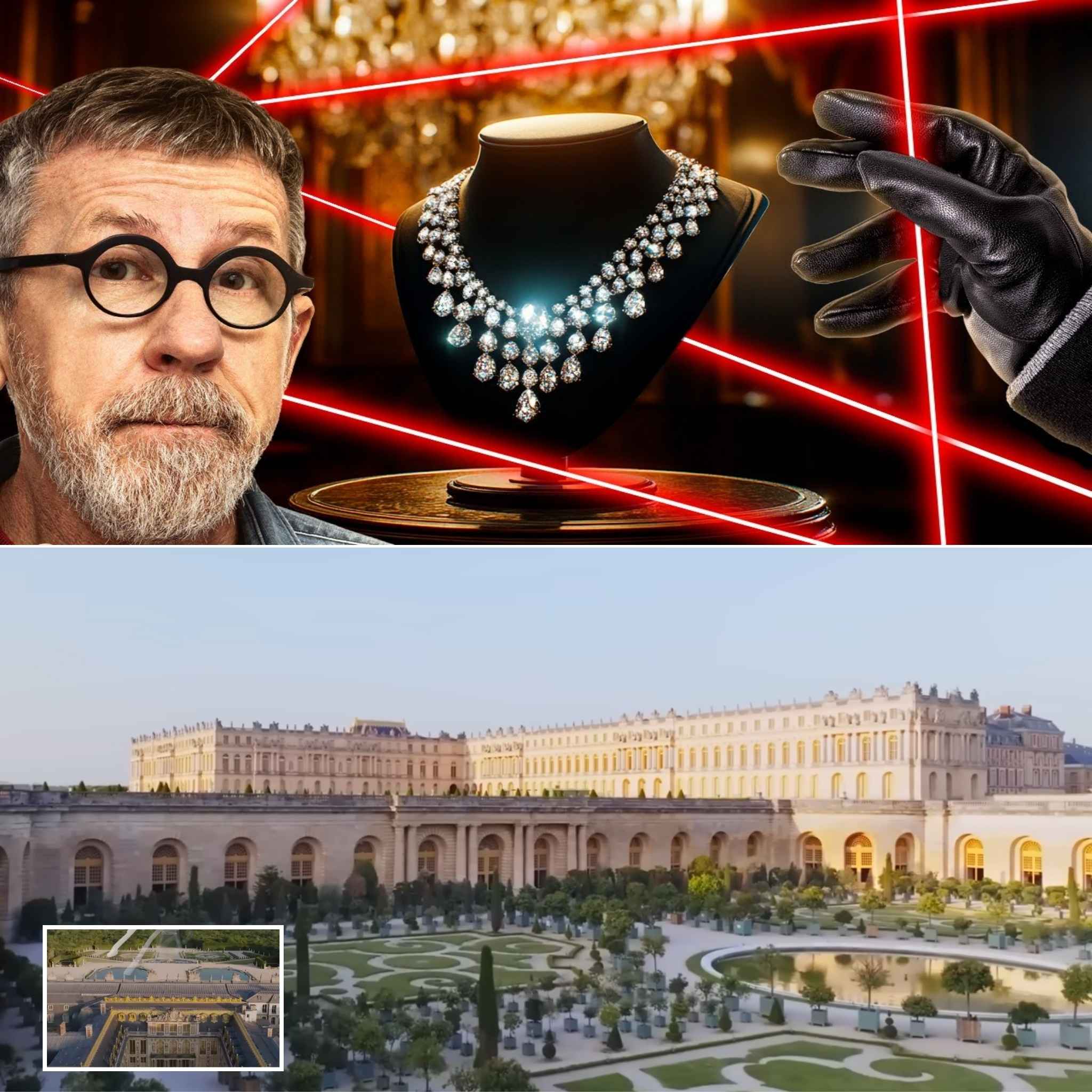
How One of France’s Most Famous Landmarks Balances History, Tourism, and Financial Scrutiny
The Palace of Versailles stands as one of the most recognizable symbols of royal power in the world. With its golden halls, vast gardens, and centuries of political history, it attracts millions of visitors every year and remains a centerpiece of France’s cultural identity.
But behind the grandeur of its architecture and the carefully preserved elegance of its interiors lies a complex modern reality—one shaped by funding demands, preservation challenges, administrative oversight, and ongoing debates about how historic institutions should be managed in the 21st century.
Recently, renewed public interest has emerged around how major heritage sites like Versailles are financed, maintained, and governed. While social media often amplifies dramatic interpretations, the real story is not one of hidden scandal, but of the ongoing tension between preservation costs, public funding, and global tourism expectations.
This article explores the structure of Versailles today, how it is managed, the financial realities of maintaining a centuries-old monument, and why institutions like this often become the focus of speculation.
1. Versailles Today: A Living Monument of History
The Palace of Versailles is not just a museum. It is a national public institution in France, officially managed by the French state.
Originally built in the 17th century under King Louis XIV, Versailles served as the political center of France until the French Revolution. Today, it functions as:
- A museum of French history
- A cultural heritage site
- A major tourist destination
- A venue for diplomatic events and state ceremonies
Each year, more than 7 million visitors walk through its halls, making it one of the most visited cultural sites in Europe.
But maintaining a structure of this scale is extremely complex.
2. The Cost of Preserving History
Unlike modern buildings, Versailles requires continuous restoration. Its materials, architecture, and artworks are centuries old, meaning deterioration is an ongoing issue.
Key maintenance challenges include:
Structural preservation
- Aging stonework
- Roof restoration
- Wood panel conservation
- Structural reinforcement of historic wings
Art and interior conservation
- Restoration of paintings and frescoes
- Preservation of gilded furniture
- Climate control for sensitive materials
Garden maintenance
- The palace gardens span hundreds of hectares
- Fountain systems require constant repair
- Landscaping must balance historical accuracy with modern sustainability
These efforts require significant funding, often reaching tens of millions of euros annually.
3. How Versailles Is Funded
Versailles operates under a mixed funding model:
1. Government support
The French Ministry of Culture provides core funding for:
- Restoration projects
- Staff salaries
- Structural maintenance
- Security operations
2. Ticket revenue
Visitor admissions contribute heavily to operational costs.
3. Private sponsorship
Corporations and private donors often sponsor restoration projects in exchange for recognition.
4. International partnerships
Some restoration efforts receive support from international cultural foundations.
This hybrid model is common among major heritage sites worldwide, including museums such as the Louvre and the British Museum.
4. Why Heritage Institutions Face Financial Scrutiny
Large cultural institutions often attract public scrutiny due to:
- High restoration costs
- Complex funding structures
- Long-term preservation projects
- Private sponsorship involvement
Because Versailles is globally famous, even minor financial decisions can attract attention.
However, in most cases, these discussions are related to:
- budgeting priorities
- project transparency
- cultural policy debates
- tourism revenue distribution
rather than hidden or secretive financial activity.
5. The Role of Social Media in Shaping Narratives
In the digital era, cultural institutions are frequently discussed online in ways that differ from official documentation.
Short-form content often:
- removes historical context
- simplifies administrative processes
- frames routine funding decisions as unusual
- emphasizes emotional or dramatic interpretations
This can lead to misunderstandings about how institutions like Versailles operate.
For example:
A restoration project funded by a private sponsor may be framed online as “controversial,” even though such partnerships are standard practice in global heritage conservation.
Similarly, routine administrative audits or budget reviews can be misinterpreted as signs of misconduct when taken out of context.
6. Governance and Oversight at Versailles
Versailles is not privately controlled. It is a public institution governed by French cultural authorities.
Its management structure includes:
- A presidential director appointed by the state
- Oversight from the Ministry of Culture
- Financial audits conducted under French public law
- Transparency requirements for major expenditures
These systems are designed to ensure accountability in how public funds are used.
Large restoration projects typically go through:
- architectural review
- historical verification
- budget approval processes
- competitive contracting procedures
This makes the idea of “unregulated financial activity” inconsistent with how the institution operates.
7. Why Big Heritage Sites Become Targets of Speculation
Institutions like Versailles often attract speculation for several psychological and cultural reasons:
1. Scale and complexity
When something is very large and historic, it naturally feels “mysterious” to outsiders.
2. Historical association with power
Versailles represents monarchy, wealth, and political authority, which can encourage storytelling around secrecy.
3. Limited public understanding of administration
Most people are unfamiliar with how heritage budgets or restoration systems actually work.
4. Viral content dynamics
Online platforms reward dramatic framing over detailed explanation.
These factors combine to create narratives that can drift far from administrative reality.
8. The Reality of “Hidden Artifacts” Claims
One of the recurring themes in online discussions about historic sites is the idea of “hidden artifacts” or undisclosed collections.
In the case of Versailles, however:
- Its collections are extensively cataloged
- Many items are publicly displayed or archived
- Restoration work is documented by curators
- Research is often published in academic journals
Museums and heritage institutions regularly collaborate with historians, archaeologists, and conservation scientists.
While new discoveries in historical research do occur, they are typically:
- small in scale
- academic in nature
- peer-reviewed before publication
There is no evidence of concealed or suppressed collections in the way viral narratives often suggest.
9. The Importance of Transparency in Cultural Heritage
Modern museums and historic sites operate under increasing expectations of transparency.
Institutions like Versailles are required to:
- publish financial reports
- disclose major funding sources
- comply with government oversight
- follow conservation ethics standards
This ensures public trust in how cultural heritage is managed.
At the same time, they must balance transparency with:
- security concerns (to protect artifacts)
- conservation confidentiality (to prevent damage risks)
- diplomatic usage of the site
This balance is often misunderstood in public discussions.
10. Tourism Pressure and Modern Challenges
One of the biggest challenges facing Versailles today is not controversy—but over-tourism.
Millions of visitors annually create:
- wear on historical floors and structures
- strain on preservation systems
- increased maintenance cycles
- environmental pressure on gardens
Managing this requires careful planning, including:
- timed entry systems
- restricted access to sensitive areas
- ongoing infrastructure upgrades
These measures are often mistaken online as “restricted access” in a conspiratorial sense, when in reality they are standard conservation practices.
11. Why Emotional Narratives Spread Faster Than Facts
Stories involving “hidden secrets” or “scandals” tend to spread faster than institutional explanations because they:
- trigger curiosity
- create emotional engagement
- suggest exclusive knowledge
- simplify complex systems
In contrast, real administrative and historical explanations are often:
- technical
- detailed
- less emotionally charged
This creates an imbalance in how information circulates online.
12. The Real Story of Versailles: Preservation, Not Conspiracy
When all factors are considered, the reality of Versailles is not a hidden scandal—but an ongoing effort to preserve one of the most important cultural landmarks in Europe.
Its challenges are real, but they are structural, not secretive:
- maintaining centuries-old architecture
- funding large-scale restoration projects
- managing global tourism
- balancing public access with preservation
These are the everyday realities of nearly every major heritage institution in the world.
Conclusion: Between History and Modern Interpretation
The Palace of Versailles continues to captivate global audiences not only because of its beauty, but because of what it represents: power, history, and cultural identity.
In the modern digital landscape, institutions like Versailles often become subjects of speculation, especially when financial or administrative topics are discussed without full context.
However, the evidence from public records, cultural oversight systems, and conservation practice shows a very different picture from sensational interpretations.
Versailles is not a hidden system of secrecy—it is a highly visible, heavily studied, and carefully managed cultural institution facing the same challenges as many of the world’s great historical landmarks.
Its real story is not about mystery or hidden corruption, but about the ongoing effort to preserve human history for future generations in an increasingly complex and fast-changing world.