⚠️ “GOD IS LOVE” — THE CATHOLIC TEACHING THAT EXPLAINS WHY GOD CREATED THE UNIVERSE
You may have seen the bumper sticker that says, “God is love.” While this phrase may seem universally accepted, it’s not as simple as it appears. The truth behind this phrase is far more profound than many realize, especially when viewed through the lens of Catholic teaching.
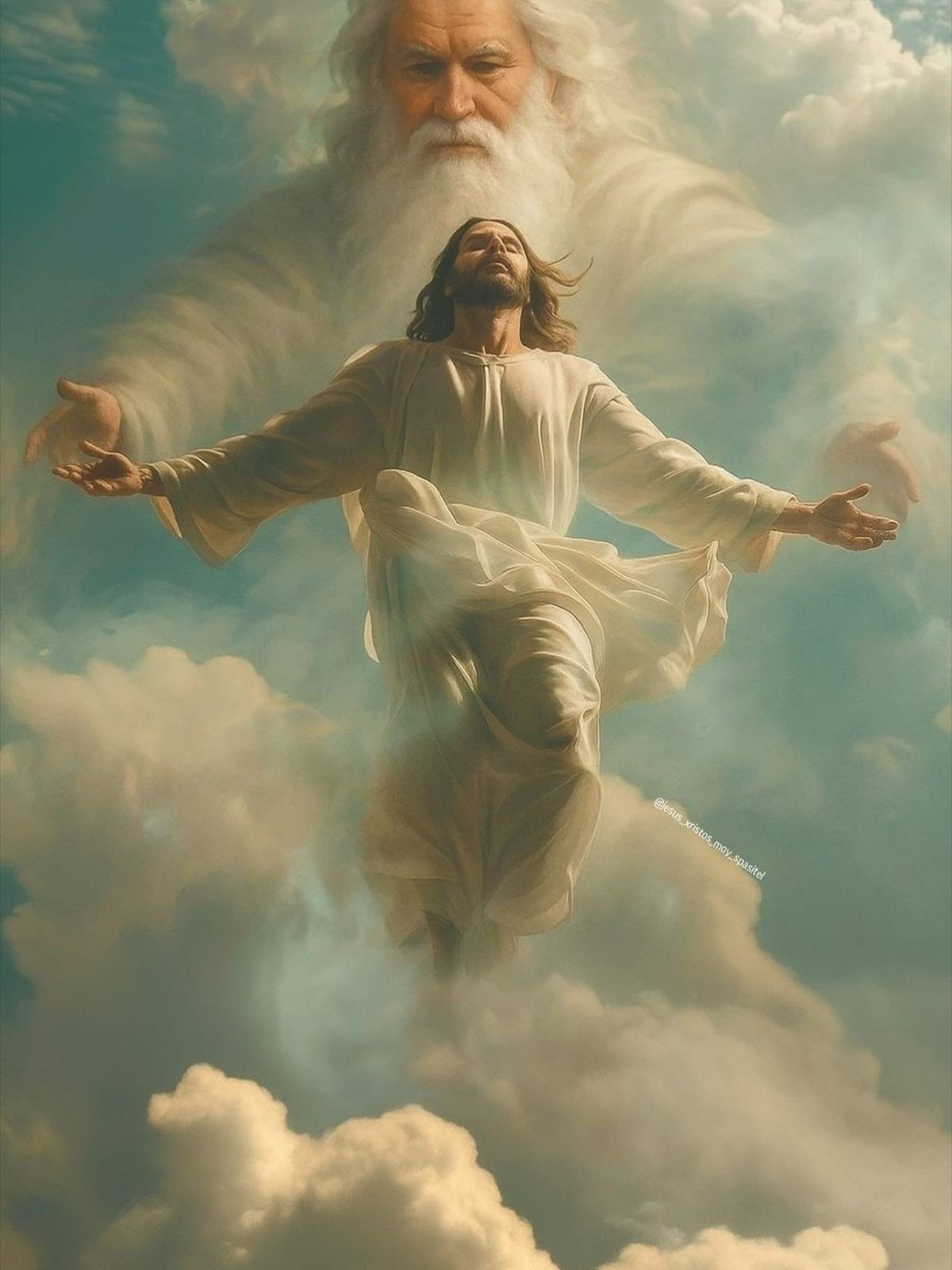
For Catholics, “God is love” means something deeply relational and inherently dynamic. This description points to the mystery of the Holy Trinity, where God is not just one person, but a relationship of three persons: the Father, the Son, and the Holy Spirit. Each person in the Trinity is not a part of God but fully God. Their love is what defines the very nature of God Himself.
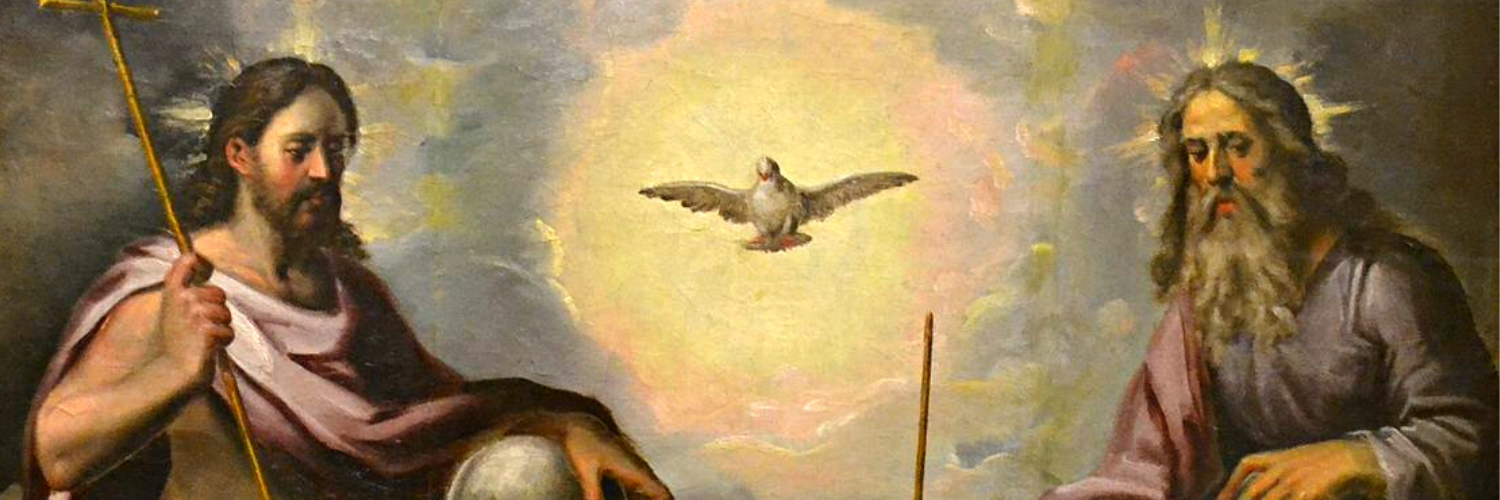
GOD AS A TRINITY OF PERSONS
The idea that God is love is not just about what God does, but about what He is. This love is not just an action, but a relational essence that exists in the very fabric of God’s being. In Catholic thought, love can never be one-sided. Love always requires at least two persons. For God to be love, He must be at least two persons, and through the revelation of the Trinity, we see that this love exists in three persons.
A Divine Dance of Self-Giving
Catholic theology holds that the Father and the Son exist in perfect unity through their eternal act of self-giving. The Father gives 100% of His being to the Son, and the Son gives 100% of His being to the Father. This mutual self-emptying creates the Holy Spirit, the shared love between them. This relationship is eternal and exists outside of time, making it not only the foundation of God’s identity but also the model for all love in the world.
THE MEANING OF “PERSON” IN CATHOLIC THEOLOGY
In everyday language, the term “person” often refers to a distinct human being. However, in Catholic thought, a “person” refers to a unique identity, not a separate being. This is crucial in understanding the Trinity. While each “person” in the Trinity is distinct (the Father is not the Son, and the Son is not the Holy Spirit), they share one divine essence—one being, one God.
This distinction becomes even clearer when we consider Jesus Christ, the second person of the Trinity. While He is fully human, He is not a human person. Rather, He is a divine person who has taken on a human nature. This distinction helps us understand how Jesus could be both fully God and fully man, without being a separate person from the Father or the Holy Spirit.
WHY DID GOD CREATE THE UNIVERSE?
If God is already perfect, infinite, and in perfect communion within Himself as a Trinity, the question arises: why create the universe at all? According to Catholic theology, the answer is simple: Love.
God did not need creation, but He created out of the overflowing nature of His love. The act of creation is a manifestation of His self-giving love. When humanity fell into sin, why didn’t God just destroy us? The answer is still love. When God became human in the person of Jesus Christ to save humanity, it was again out of love. Love is the reason behind everything that God does.
GOD’S LOVE IN ACTION
To say that God is love is to understand that His actions flow from His essence. What God does in the world — creating, redeeming, sustaining — comes directly from what He is: a perfect, eternal, and self-giving love. This means that God’s love is not just an emotion or a passive quality but an active, continuous, and unbreakable force that sustains the entire universe.
THE TRINITY AND THE MEANING OF LOVE
Ultimately, understanding that God is love transforms our entire understanding of existence. If God is love, then love itself is the foundational principle of all life. The love shared within the Trinity is not just a model for us to emulate, but the very reason the universe exists.
Love is not just something God does — it is who God is. From the creation of the world to the redemption of mankind, God’s love is the action that follows His being. For Catholics, this is the core of the Christian faith: God, as love, is the reason for all things and the ultimate destination of every soul.