A New Hantavirus Vaccine Is in the Works: What You Need to Know
In a world where viral outbreaks are an ever-present threat, the development of vaccines to combat emerging diseases is crucial. One such virus that has been making waves in recent months is the hantavirus, a virus with potentially deadly consequences that has caught the attention of researchers worldwide. Since 2023, US-based pharmaceutical company Moderna has been working in collaboration with Korea University’s Vaccine Innovation Center (VIC-K) to develop a new mRNA vaccine targeting the hantavirus.
While progress has been promising, it’s important to note that a finished, mass-produced vaccine is still a long way off. But as the world grapples with viral threats, this breakthrough in hantavirus vaccine development could hold the key to preventing future outbreaks and saving lives.
What is Hantavirus?
Hantavirus is a virus carried by rodents, particularly deer mice, that can cause a severe illness called Hantavirus Pulmonary Syndrome (HPS). HPS primarily affects the lungs, and in severe cases, it can lead to respiratory failure. The virus is spread to humans through direct contact with rodent urine, droppings, or saliva, and in some cases, through airborne particles from rodent nests. Hantavirus infections can also result from bites or exposure to contaminated food or surfaces.
Though hantavirus infections are relatively rare, they can be deadly. The virus has a fatality rate of about 36%, and there is currently no specific treatment for those infected. The symptoms of HPS often appear quickly after exposure, and the disease progresses rapidly. Early symptoms can resemble the flu, such as fever, muscle aches, and headaches. As the disease progresses, it can cause difficulty breathing, fluid buildup in the lungs, and ultimately, respiratory failure.
The most well-known outbreak of hantavirus in the United States occurred in 1993, when a cluster of cases was reported in the Southwestern United States, particularly in the Four Corners region. Since then, occasional outbreaks have occurred, but the disease remains relatively uncommon. However, with the increasing movement of people and animals globally, the risk of new outbreaks has grown, and experts have warned that hantavirus should not be underestimated.
The Current Hantavirus Outbreak
As of May 2023, a new outbreak of hantavirus has put the disease back in the spotlight. The outbreak occurred aboard a Dutch cruise ship, the MV Hondius, which had recently sailed from Argentina and disembarked its passengers and crew in the Canary Islands on May 10. At least three people aboard the ship died from suspected hantavirus infections, and several other cases have been reported as serious.
The cruise ship incident highlighted the potential for hantavirus to spread in confined spaces, such as cruise ships or other enclosed environments where human and rodent interactions are more likely to occur. It also underscored the need for increased awareness and prevention measures, particularly in light of the development of a new hantavirus vaccine that could potentially mitigate future outbreaks.

The Hantavirus Vaccine: A Collaborative Effort
The collaboration between Moderna and the Vaccine Innovation Center of Korea University College of Medicine (VIC-K) marks a significant milestone in the development of a hantavirus vaccine. Moderna, which rose to global prominence due to its COVID-19 mRNA vaccine, is now expanding its vaccine technology into new areas, including the fight against other viruses like hantavirus.
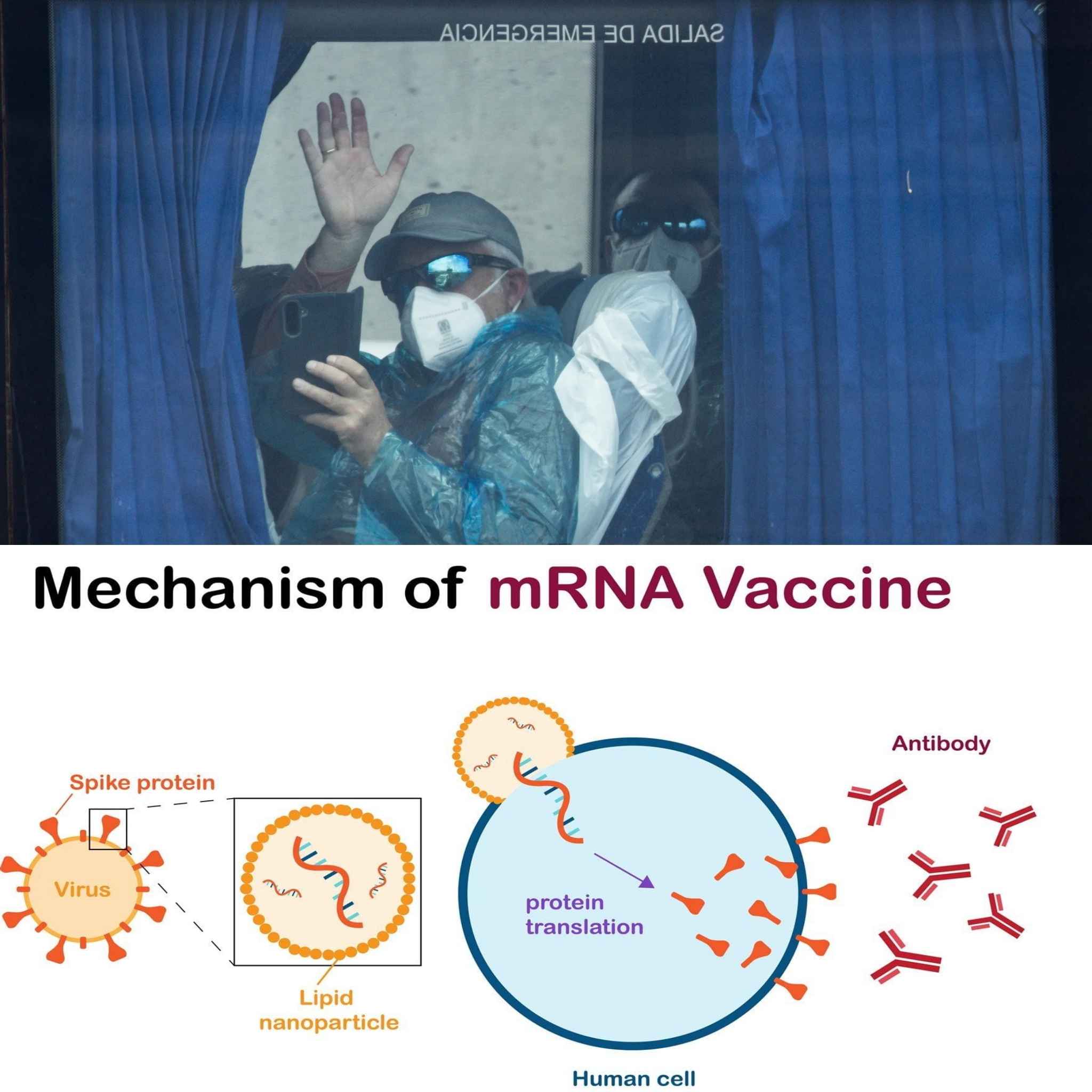
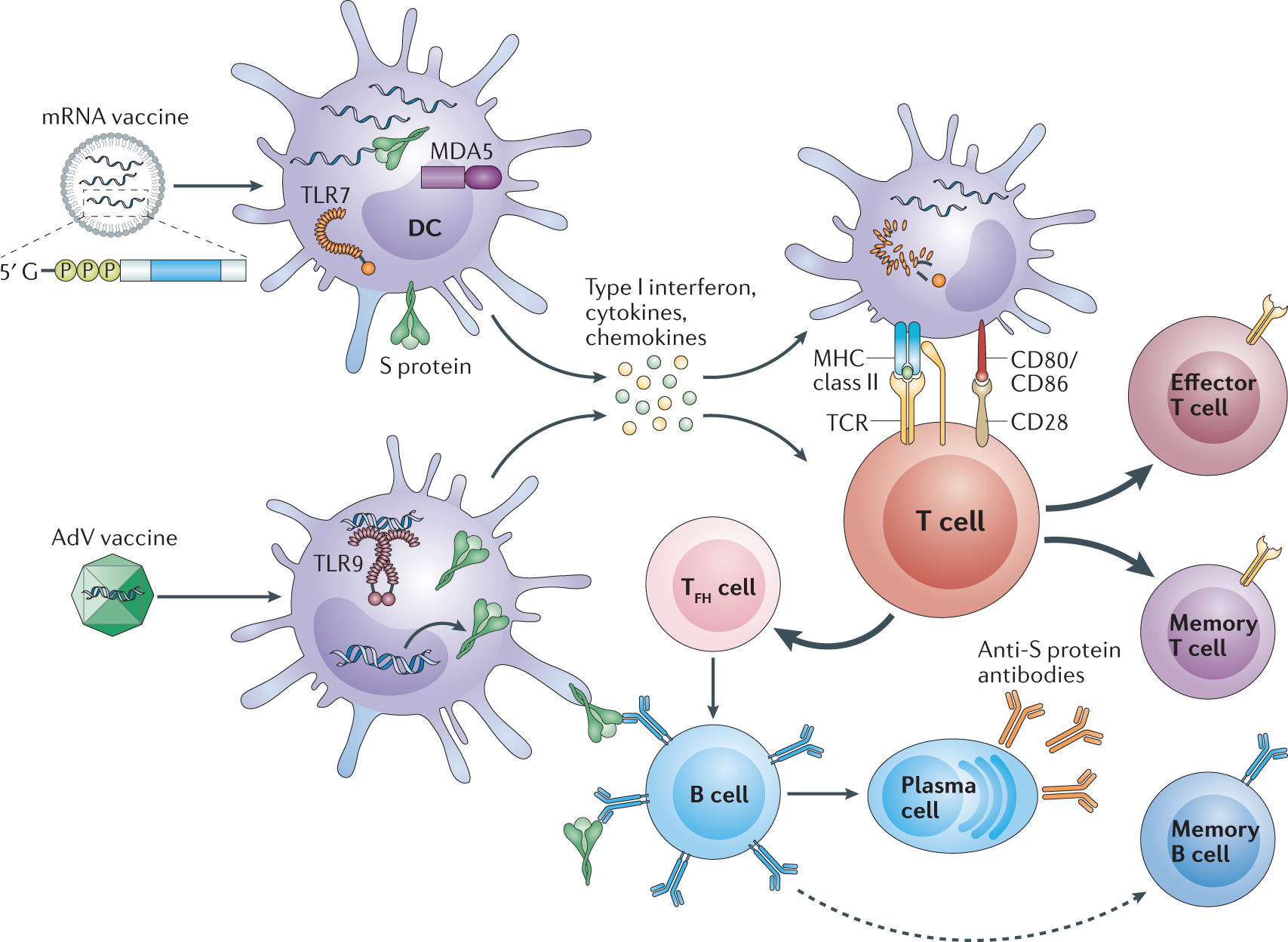
The use of mRNA technology in vaccine development is relatively new but has proven effective in the case of COVID-19. mRNA vaccines work by instructing cells in the body to produce a protein that mimics the virus’s spike protein. This allows the immune system to recognize and fight the virus if it encounters it in the future.
For hantavirus, Moderna’s mRNA vaccine is being designed to trigger an immune response that specifically targets the virus. By introducing a small piece of the virus’s genetic code, the mRNA vaccine will instruct cells to produce a protein that alerts the immune system to the presence of hantavirus, enabling the body to mount an immune response and prevent infection.
The collaboration with Korea University is a critical component of the vaccine’s development. VIC-K’s expertise in vaccine innovation and its research capabilities in infectious diseases have provided the foundation for the current work on hantavirus. Together with Moderna’s advanced mRNA technology, this partnership is laying the groundwork for a vaccine that could help control and prevent hantavirus outbreaks in the future.
While the progress made so far is promising, experts caution that the road to a finished product is still long. The vaccine must undergo rigorous clinical trials to ensure its safety and effectiveness in humans. The success of mRNA vaccines for COVID-19 has sparked optimism that other vaccines, such as the one for hantavirus, can be developed using similar technology.
Timeline for the Vaccine’s Development
Given the complexities of vaccine development, it’s important to manage expectations. The process of testing, manufacturing, and distributing a new vaccine is highly detailed and requires thorough safety assessments. Moderna’s hantavirus vaccine is still in the early stages of development, and it could take several years before it’s available for widespread use.
The first step in the process is preclinical testing, where the vaccine is tested in animal models to assess its safety and ability to provoke an immune response. If these tests are successful, the vaccine will move into clinical trials, which involve testing the vaccine in humans. Clinical trials are typically divided into three phases:
- Phase I: The vaccine is tested in a small group of healthy individuals to assess its safety, determine appropriate dosages, and identify any side effects.
- Phase II: A larger group of people is tested to evaluate the vaccine’s effectiveness and further monitor safety.
- Phase III: The vaccine is tested in thousands of people to confirm its effectiveness and identify any rare side effects.
After completing these phases, the vaccine will need regulatory approval from health authorities, such as the U.S. Food and Drug Administration (FDA), before it can be distributed to the public.
The Importance of Hantavirus Vaccines
The development of a hantavirus vaccine is a critical step in improving global health security. While hantavirus outbreaks are not as frequent as other viral diseases, their potential severity makes them a significant concern. The fact that hantavirus infections can lead to death in a large percentage of cases emphasizes the need for preventative measures.
Vaccines are a cornerstone of modern medicine, providing protection against some of the most dangerous diseases known to humanity. With the emergence of new viruses and the unpredictable nature of infectious diseases, vaccines will continue to play a vital role in safeguarding public health.

What’s Next for Hantavirus Vaccine Development?
The future of the hantavirus vaccine is still uncertain, but the partnership between Moderna and Korea University is a promising sign. While the timeline for a finished product is still a few years away, the progress made thus far shows that there is hope for developing an effective and safe vaccine for hantavirus.
As the world continues to battle the effects of the COVID-19 pandemic, the development of new vaccines, including one for hantavirus, underscores the importance of investing in science and research. With continued innovation and collaboration, the global community can better prepare for the next wave of viral threats.
In the meantime, it remains essential for healthcare providers and public health officials to continue monitoring hantavirus outbreaks, educating the public about prevention measures, and preparing for the eventual deployment of a vaccine that could save lives.