What is a Hantavirus? Symptoms, Treatments, Prevention, and How It Spreads
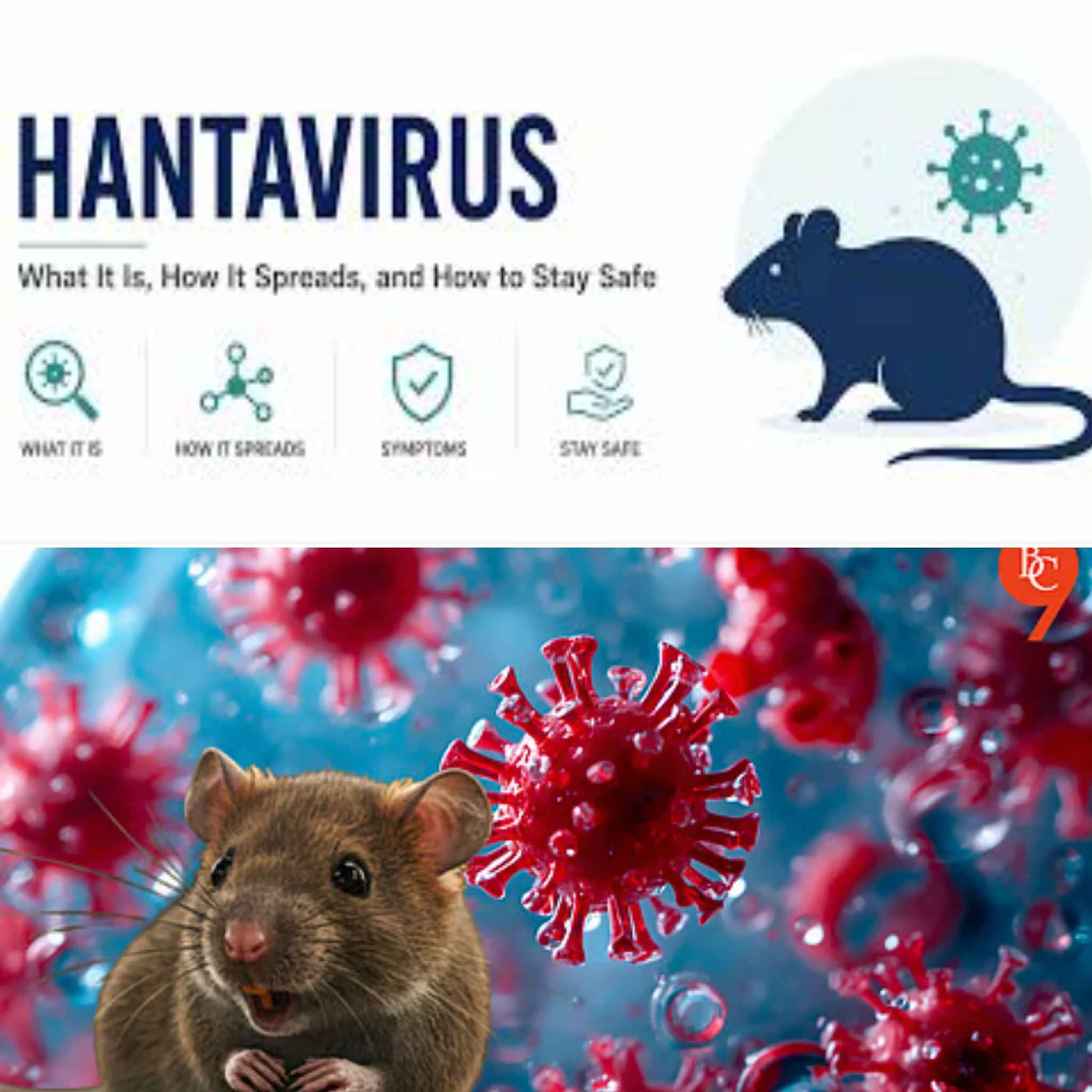
Hantaviruses are viruses transmitted primarily by rodents that can cause potentially deadly respiratory and kidney illnesses in humans. Though relatively rare, these infections remain a serious global health concern due to the severity of the diseases they cause and the circumstances under which they spread.
Hantavirus Disease: What It Is and How It Spreads
Hantaviruses belong to a family of viruses carried by rodents such as rats and mice. These rodents, which carry the virus without showing any symptoms themselves, are the main source of human exposure. While most hantaviruses do not spread from person to person, one form, the Andes virus, can be transmitted between individuals.
The first recorded case of hantavirus disease in the United States occurred in 1993. Since then, approximately 890 cases have been reported in the country. In addition to the U.S., the virus is present in many parts of the world, with the highest reported cases occurring in Asia and Europe.
Hantaviruses are spread to humans through contact with the urine, feces, or saliva of infected rodents. The virus can also be released into the air when debris containing these rodent droppings is disturbed. In rare cases, people may also develop hantavirus disease after being bitten by an infected rodent.
Rodent-Carried Diseases: Who’s Most at Risk?
People who work in environments where they are more likely to encounter rodents, such as forestry workers, farmers, and trappers, are at a higher risk of exposure to hantaviruses. This is particularly true for workers in rural areas or regions where rodent populations are prevalent. For example, U.S. states like Washington, California, Arizona, Colorado, and New Mexico report the highest number of cases.
Symptoms of Hantavirus Disease
Hantavirus can cause two main illnesses in humans: Hantavirus Cardiopulmonary Syndrome (HCPS) and Hemorrhagic Fever with Renal Syndrome (HFRS). The disease typically manifests in two stages.
Hantavirus Cardiopulmonary Syndrome (HCPS)
HCPS is primarily caused by hantaviruses found in the Americas. The symptoms of HCPS begin with fever, muscle aches, and fatigue, typically appearing one to eight weeks after exposure. Additional early symptoms can include chills, headaches, dizziness, and gastrointestinal issues like nausea or diarrhea.
Within four to 10 days, the disease may progress rapidly, leading to severe respiratory symptoms such as coughing, shortness of breath, and fluid buildup in the lungs. The condition can escalate to shock, which can cause significant complications. Unfortunately, HCPS can be fatal — about 38% of patients who develop these respiratory symptoms die from the disease.
Hemorrhagic Fever with Renal Syndrome (HFRS)
HFRS, more common in Europe and Asia, has a lower fatality rate compared to HCPS, but it remains dangerous. The symptoms typically begin one to two weeks after exposure to the virus, with intense headaches, back and abdominal pain, fever, chills, nausea, and blurred vision. As the disease progresses, patients may experience low blood pressure, internal bleeding, and kidney failure.
Case fatality rates for HFRS typically range from 1% to 15%, depending on the strain of hantavirus responsible.
Treatment for Hantavirus

There is no specific cure for hantavirus diseases. Treatment focuses on supporting the patient’s vital functions and alleviating symptoms. For example, patients with severe respiratory distress may need mechanical ventilation to help with breathing. If kidney function is severely compromised, patients may require dialysis to filter their blood.
Prevention: How to Protect Yourself from Hantavirus
Since hantaviruses are primarily spread by rodents, preventing contact with these animals is the best way to reduce the risk of infection. Here are some key prevention strategies:
- Control Rodent Populations: Eliminate rodent nests from homes, barns, or other structures. Sealing holes and gaps in buildings to prevent rodents from entering is critical. Storing food securely and using traps to capture rodents can also help minimize the risk of exposure.
- Cleaning Up Safely: When cleaning areas where rodents have been active, wear protective gloves, a mask, and goggles. Avoid sweeping or vacuuming dried rodent droppings, as this can release the virus into the air.
- Precautions in High-Risk Areas: People who work in environments where rodent exposure is more likely — such as in farming, trapping, or forestry — should take extra precautions, including wearing appropriate protective equipment and regularly sanitizing their equipment and workspaces.
- For Andes Virus: The Andes virus is the only hantavirus known to spread from person to person. For individuals caring for those infected with the Andes virus, healthcare providers should wear personal protective equipment, practice good hand hygiene, and follow other standard safety procedures.
In addition, the World Health Organization (WHO) recommends that during outbreaks or suspected cases, early identification and isolation of infected individuals, monitoring close contacts, and applying standard infection prevention measures are crucial to limit further spread.
Recent Cases of Hantavirus
In 2025, a notable case of HCPS occurred in the United States involving the American classical pianist Betsy Arakawa, wife of actor Gene Hackman. Arakawa reportedly died from HCPS after being exposed to the virus, highlighting the continued threat posed by this disease.
The most recent major outbreak took place in April 2026, when a cruise ship, MV Hondius, became a site of hantavirus infections, with several passengers contracting the Andes virus. The virus spread among passengers on the ship, resulting in a tragic outcome, including at least three deaths.

Conclusion
While hantavirus disease remains relatively rare, it poses a significant risk, particularly for people who work in or visit areas where rodents are common. Though there is no specific cure, early detection and treatment are key to improving outcomes. By taking preventive measures, such as eliminating rodent exposure and practicing safe cleaning, individuals can minimize their risk of infection.
Understanding how hantaviruses spread, the symptoms of the disease, and the importance of prevention can help reduce the impact of this potentially fatal disease on affected populations worldwide.
Stay informed, and take the necessary precautions if you’re in an area where hantaviruses are present. The World Health Organization and Centers for Disease Control and Prevention continue to monitor the situation and provide up-to-date recommendations for preventing hantavirus infections.