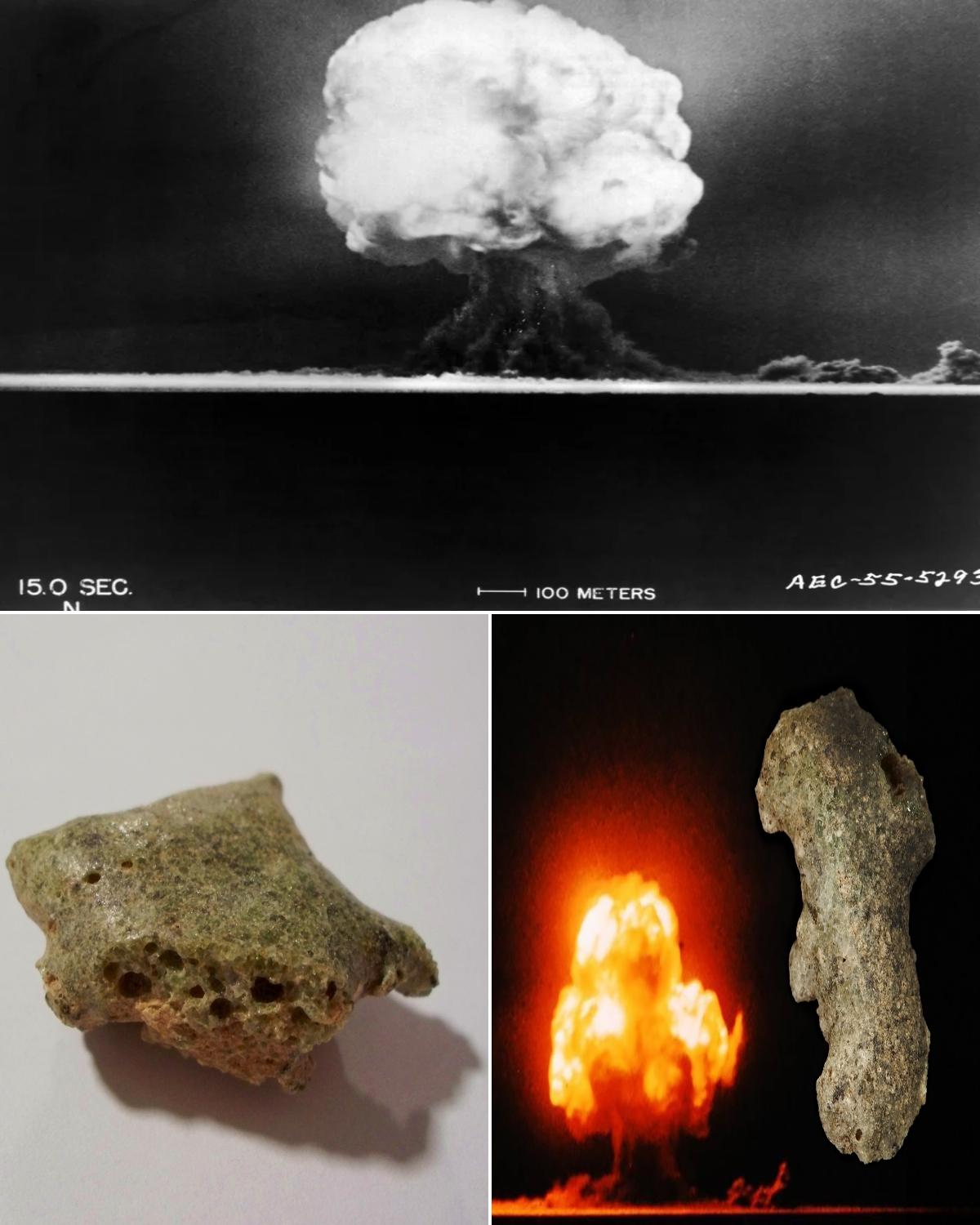
The Trinity bomb test, which took place nearly 81 years ago as part of the Manhattan Project in the New Mexico desert, left behind a remarkable and unique form of matter. The explosion of the plutonium bomb released an immense energy equivalent to 25 kilotons of TNT, and once the mushroom cloud dissipated, a peculiar glasslike material formed. This material, created from the combination of melted sand and vaporized sensor wires, was later identified as trinitite.
Now, scientists have made an exciting new discovery within this same trinitite. They found a previously unknown form of matter: a clathrate—a crystalline structure with a cage-like framework that traps other atoms inside it. This particular clathrate is entirely new, never before seen in nature or as a result of a nuclear explosion. According to Luca Bindi, a geologist from the University of Florence, this material represents a completely new type of clathrate crystal.
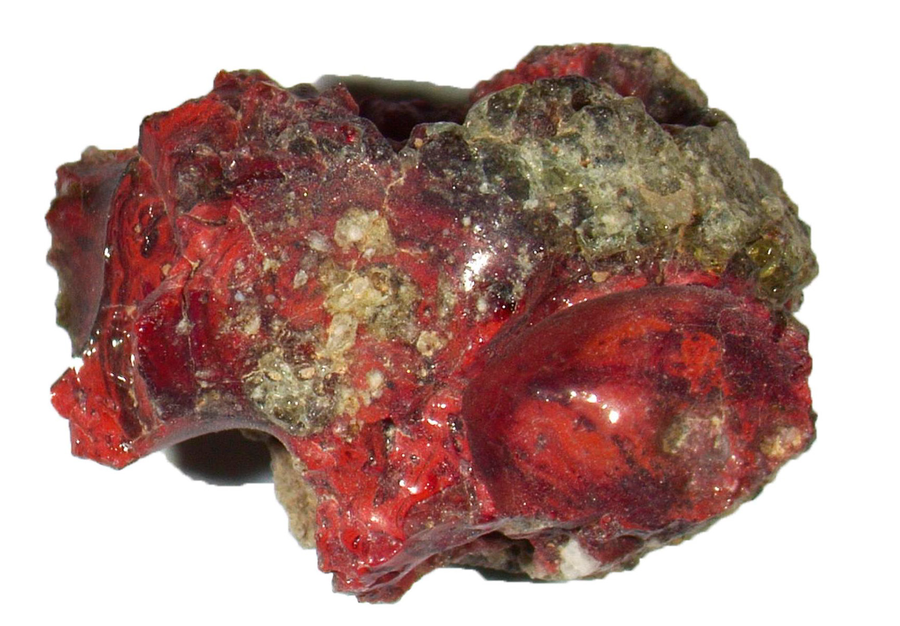
The formation of this clathrate is a result of the extremely unusual conditions created during the Trinity blast. The sand swept into the fireball was exposed to temperatures exceeding 1,500°C and pressures of several gigapascals—much higher than normal atmospheric pressure. These intense conditions caused rapid mixing, vaporization, and cooling of matter, leading to the creation of this unusual, non-equilibrium material.
The clathrate was found within a copper-rich metallic droplet embedded in trinitite. The clathrate’s structure includes 12-sided dodecahedrons and 14-sided tetrakaidecahedrons made from silicon atoms, with calcium, copper, and iron atoms occasionally trapped within.
In addition to the clathrate, another extraordinary material was discovered in trinitite in 2021—a quasicrystal. These materials challenge conventional ideas about crystal formation and, until recently, were thought to be impossible. The quasicrystal in trinitite, made from iron, silicon, copper, and calcium, is particularly fascinating because it was formed under the same extreme conditions of the blast and still hasn’t been replicated in labs.
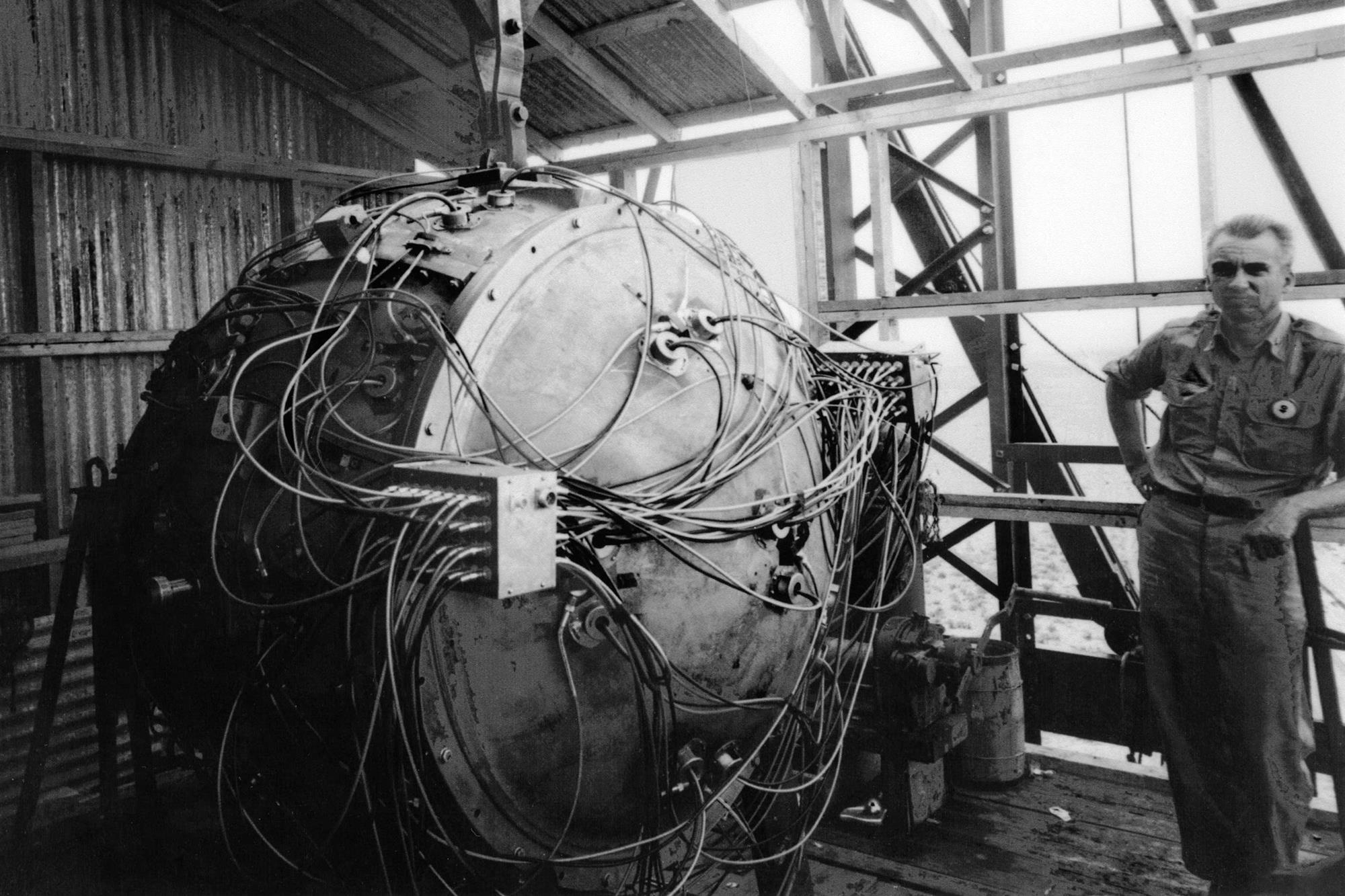
The researchers suggest that the clathrate and quasicrystal both formed under similar conditions but in different areas based on the availability of copper. While the quasicrystal formed in areas with abundant copper, the clathrate took shape where copper was scarce.
These findings highlight the rarity and significance of high-energy events, such as nuclear detonations, lightning strikes, and hypervelocity impacts, as natural laboratories capable of producing unexpected crystalline materials. The study’s results were published in the Proceedings of the National Academy of Sciences USA on May 11.