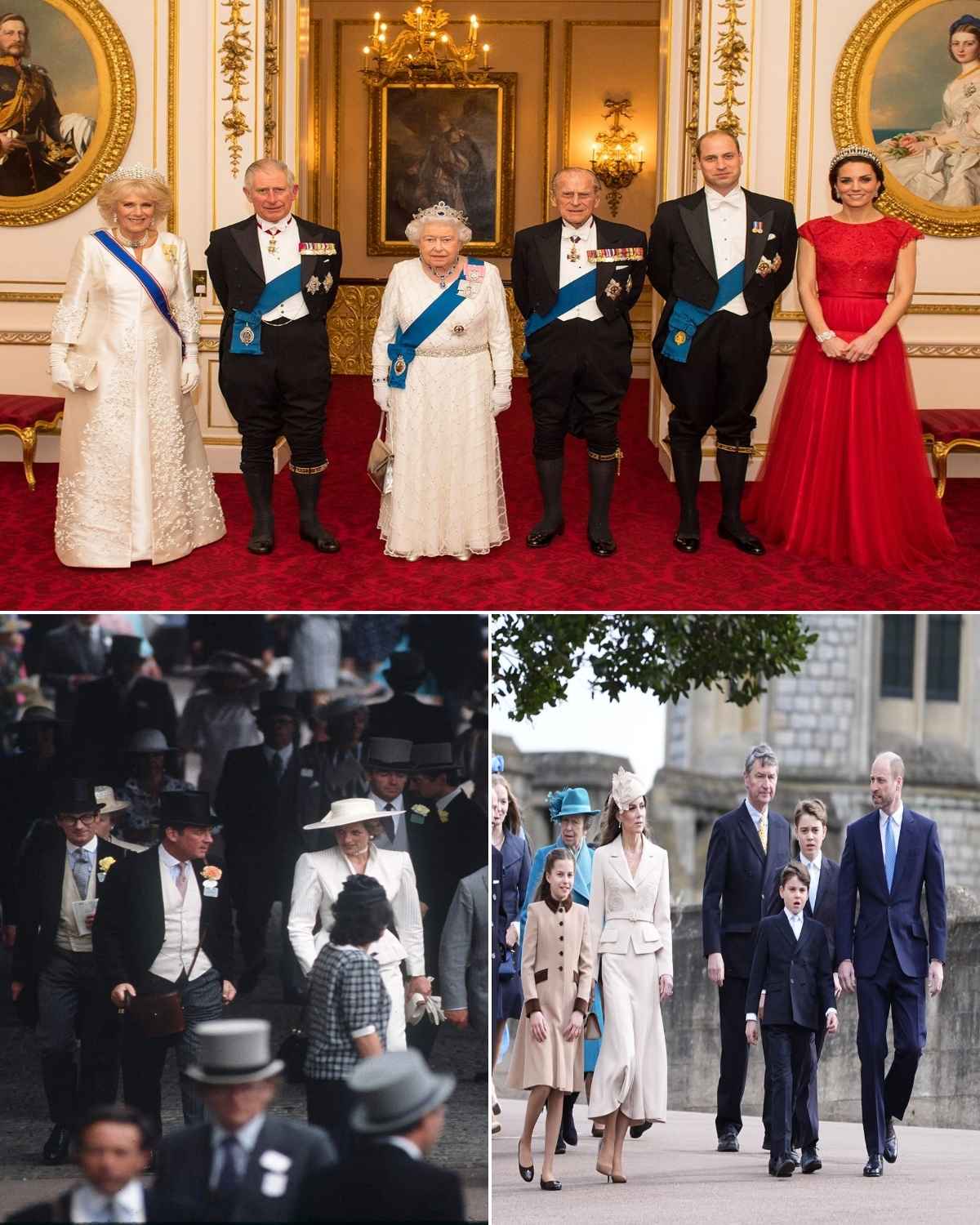
The British royal family is renowned for adhering to an intricate set of dress codes and behavioral protocols, particularly when they are traveling or engaging in public duties abroad. These rules are designed to ensure that members of the royal family remain always prepared, composed, and respectful in the eyes of the public, maintaining a dignified image at all times. Among these protocols, one of the most significant is the requirement that senior royals always travel with at least one completely black outfit. This practice, which might seem like a fashion choice, is actually a precaution to ensure that the royals can properly observe mourning in the event of a sudden bereavement.
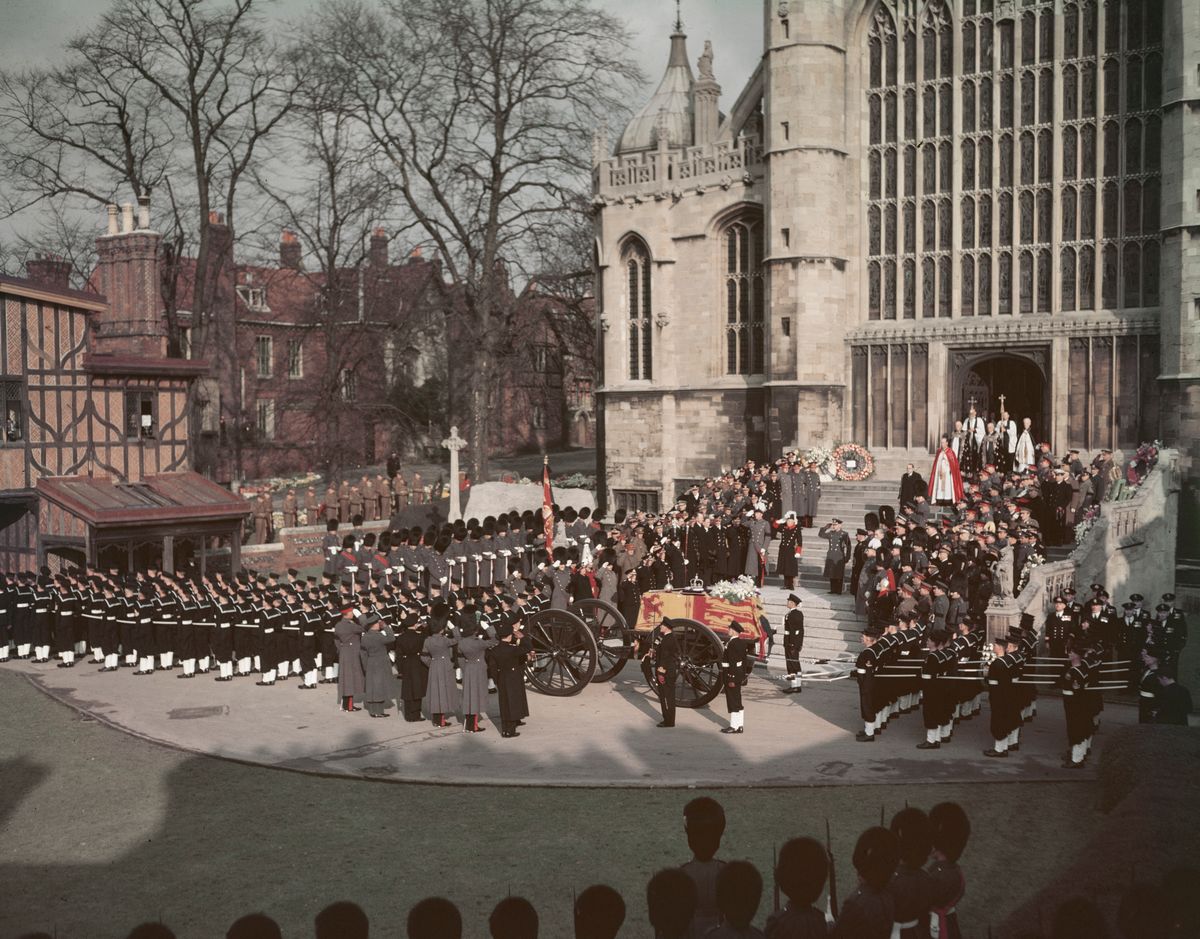
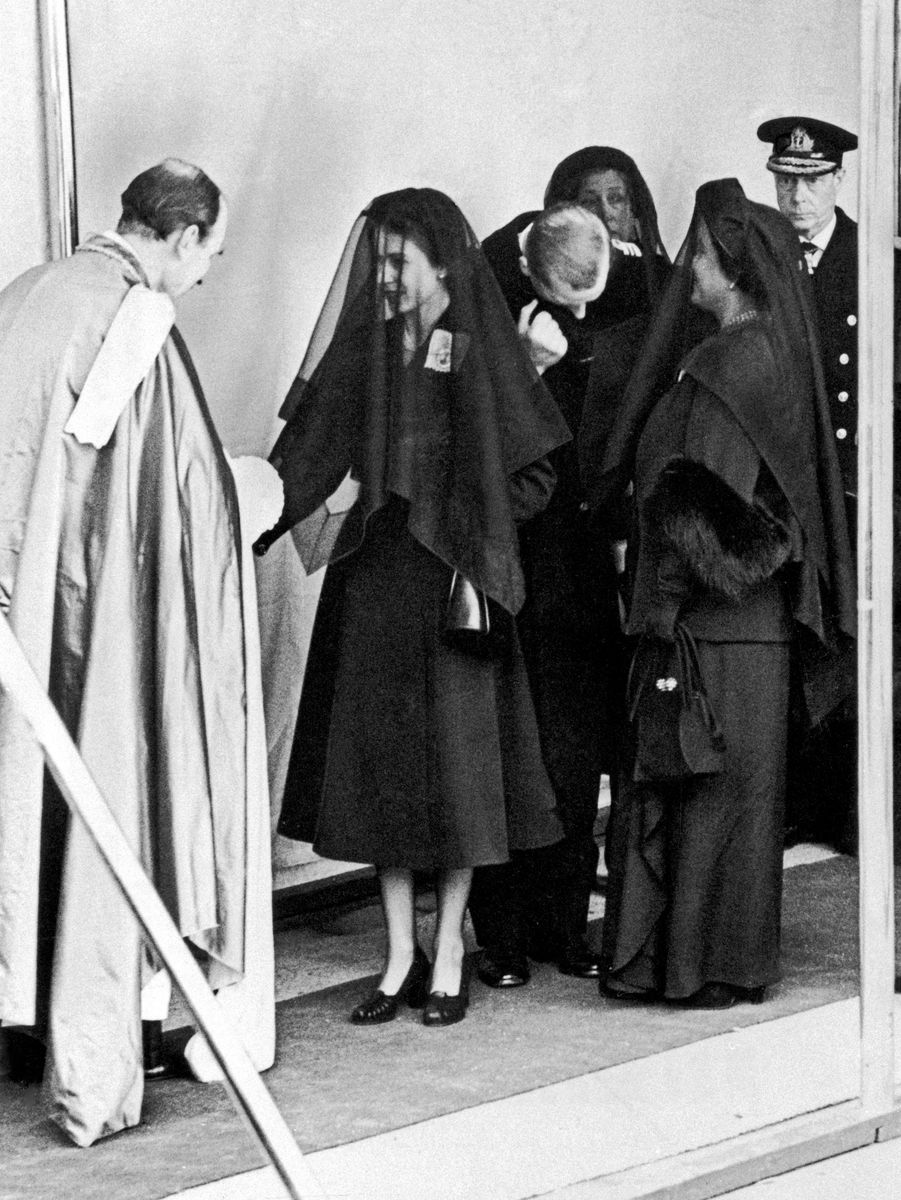
The origin of this rule is often traced back to a pivotal moment in 1952. Then-Princess Elizabeth was visiting Kenya with her husband, Prince Philip, when she received the news that her father, King George VI, had passed away. As her luggage did not contain any appropriate mourning attire, she was unable to immediately dress in the proper black clothing upon her return. She was required to stay on the aircraft until a black dress was brought to her so she could change before disembarking to meet the press. This incident highlighted the importance of ensuring that royals are always prepared for such moments, leading to the formalization of the protocol that senior members of the royal family must always carry a black outfit with them while traveling.
Since then, this practice has been strictly followed by the royals, including King Charles III, Queen Camilla, and the Prince and Princess of Wales. The intention behind this rule is not only to avoid appearing unprepared in front of the public and media but also to ensure that a royal can immediately wear appropriate mourning attire if needed, even when they are far from home. This is especially important since royal arrivals are often captured by cameras as they disembark from planes, and the family’s appearance is scrutinized closely.
Beyond mourning attire, royal travel is governed by several other principles that ensure that the royals are always presented in the best possible light. For example, clothing is often chosen with a deep respect for the culture of the host country. Royals may wear local designers or accessories to show goodwill and recognition of the host country’s heritage. Furthermore, royals typically change into fresh outfits on the plane before landing, after receiving last-minute briefings on their engagements, ensuring they maintain a polished and wrinkle-free appearance upon arrival.
Another key element of royal etiquette involves the way royals behave in front of cameras. For example, it is considered untidy or unrefined for them to remove their coats in public, particularly in front of cameras. This attention to detail reflects the monarchy’s focus on maintaining an air of decorum and dignity. Similarly, men of the royal family, such as Prince George, were traditionally dressed in shorts until the age of eight, a reflection of historical class-based clothing customs.
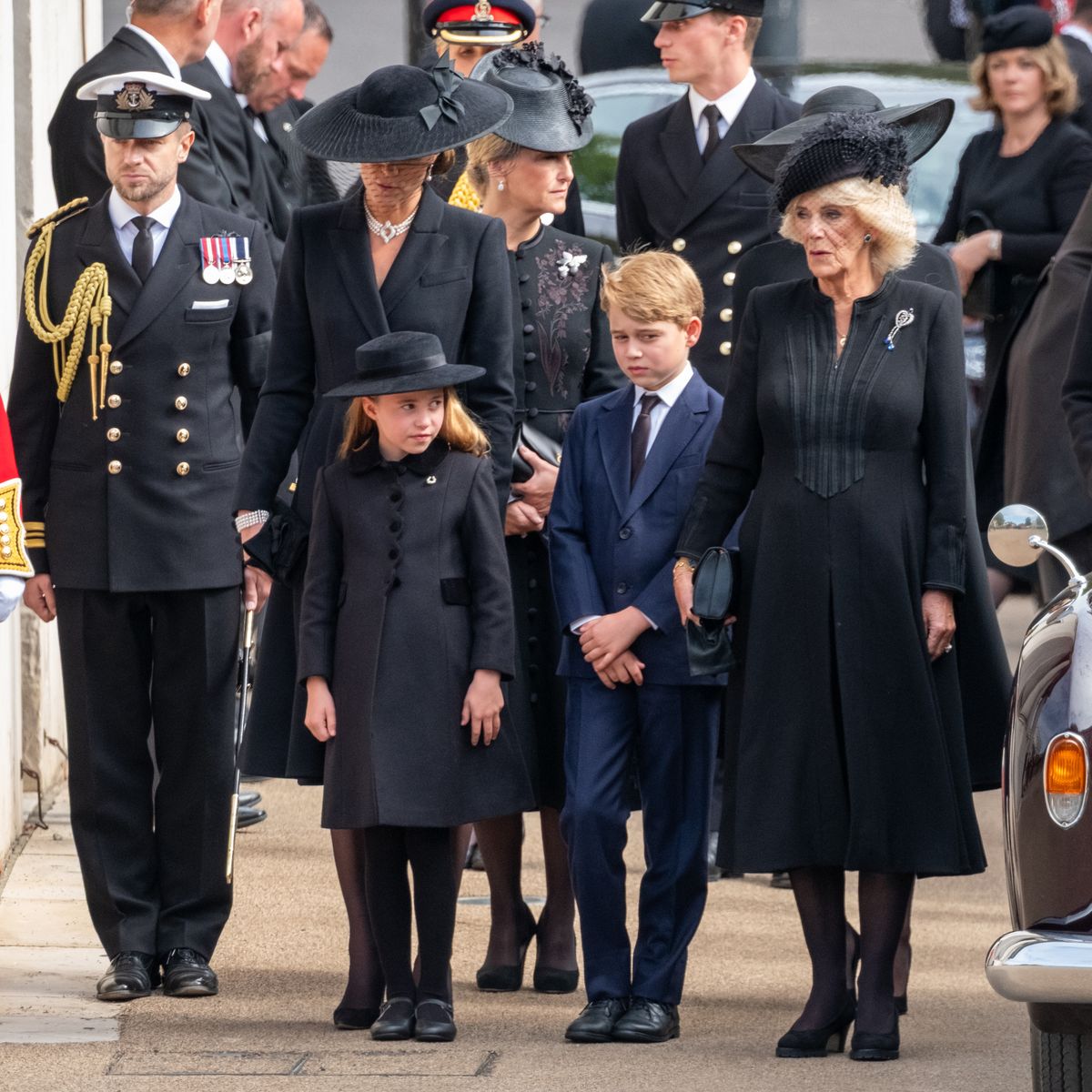
In terms of formal events, royal women are expected to wear hats for daytime engagements, while tiaras are reserved for evening occasions, typically worn only by married women. Women in the royal family also follow specific protocols when it comes to carrying handbags. They are typically held in the left hand to keep the right hand free for greetings, and the bag can also serve as a modesty tool when entering or exiting vehicles.
The royals also adhere to specific standards for nail polish, which must remain neutral and understated. While not an official rule, wearing hosiery at formal events is strongly expected, particularly for royal women, reflecting the tradition of maintaining an elegant and polished appearance. Even color choices are significant, with black being the standard color for mourning, although this has evolved over the centuries.
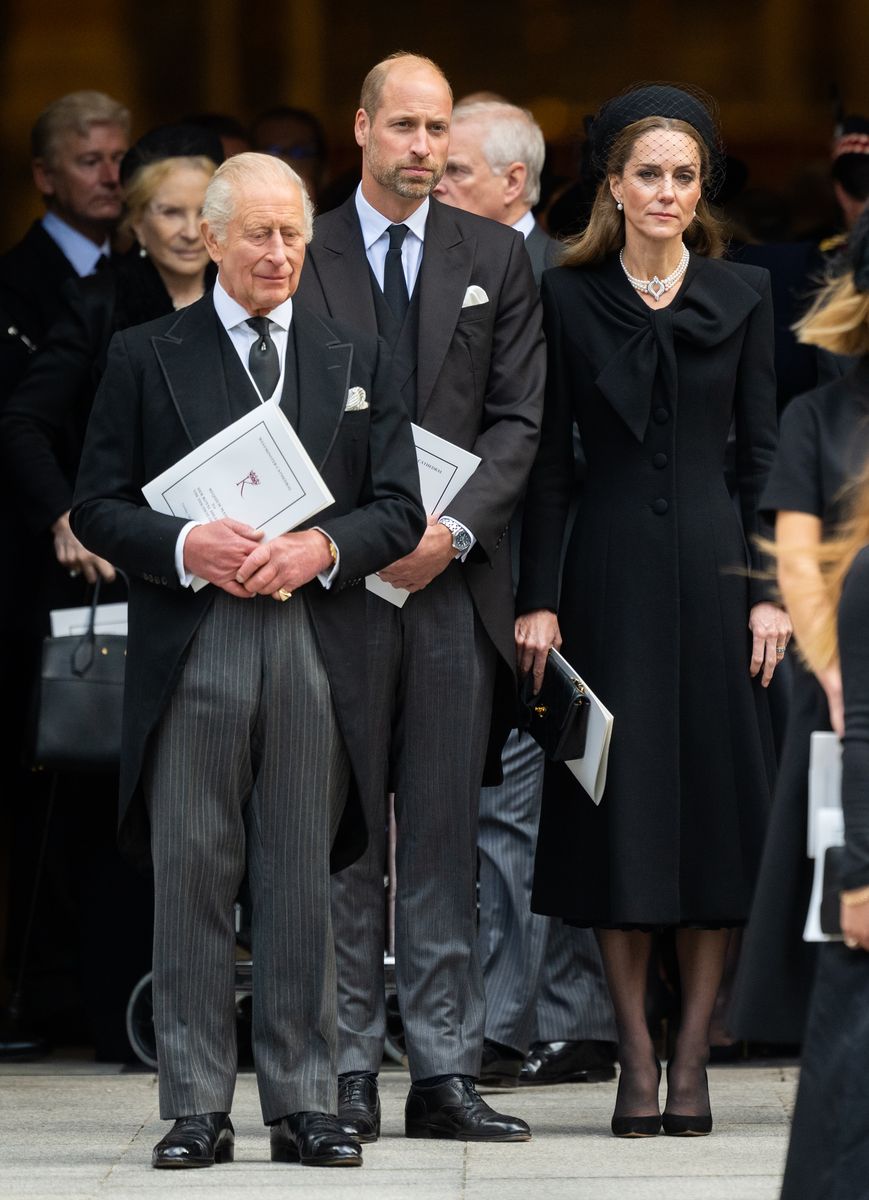
In medieval times, mourning attire for queens sometimes included white, a practice that was revived in certain instances, such as when the Queen Mother wore a white wardrobe during a state visit to France after the death of her mother. Historical figures such as Mary, Queen of Scots, also wore white mourning attire during personal tragedies. By the Victorian era, mourning protocols had become even more structured, introducing the concept of “half-mourning.” After an initial period of strict black clothing, royals would transition to softer shades such as grey, lavender, purple, and mauve, symbolizing a return to normal life while still maintaining respect for the deceased.
In modern times, there has been some flexibility in the mourning attire guidelines. Dark navy suits are now acceptable for men and boys at funerals, and this was seen in several recent royal events. For example, Prince George, King Charles III, and the Prince of Wales have all worn navy suits as a respectful alternative to black.
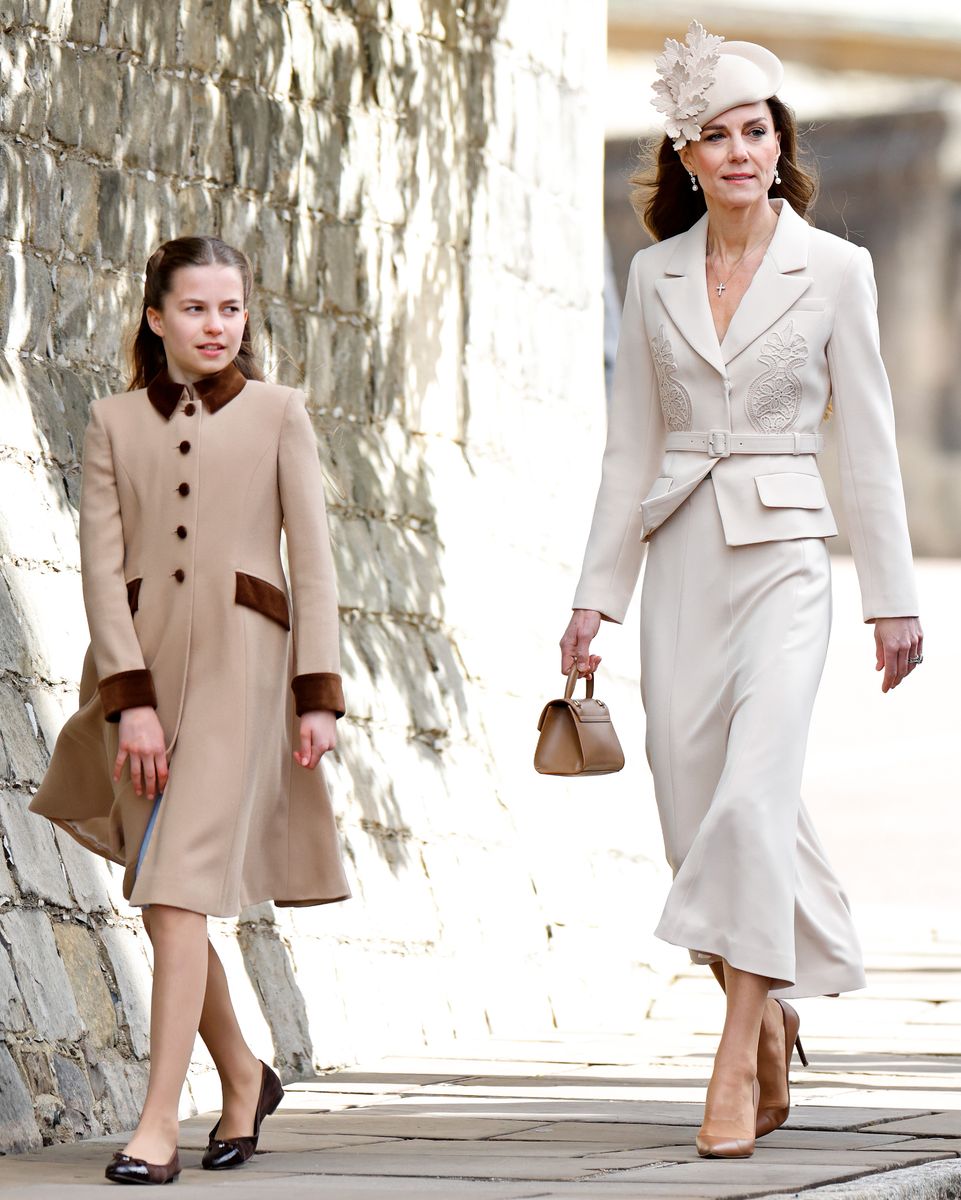
The duration of royal mourning can vary depending on the situation. Unlike national mourning, which typically lasts until the funeral, royal mourning tends to extend beyond that. Under King Charles III, the mourning period following Queen Elizabeth II’s death lasted from the day of her passing until seven days after her funeral, a total of about 17 days. When Prince Philip passed away in 2021, Queen Elizabeth II observed a two-week mourning period. During such times, the royal family suspends most official engagements, and flags are flown at half-mast across royal residences, though the Royal Standard remains fully raised as a symbol of the monarchy’s continuity.
Additionally, official stationery is often altered to include black borders, and all public appearances during this time require dark or black clothing. Even media outlets adjust their programming, with broadcasters like the BBC traditionally reducing entertainment content in favor of solemn music and coverage during periods of national grief.
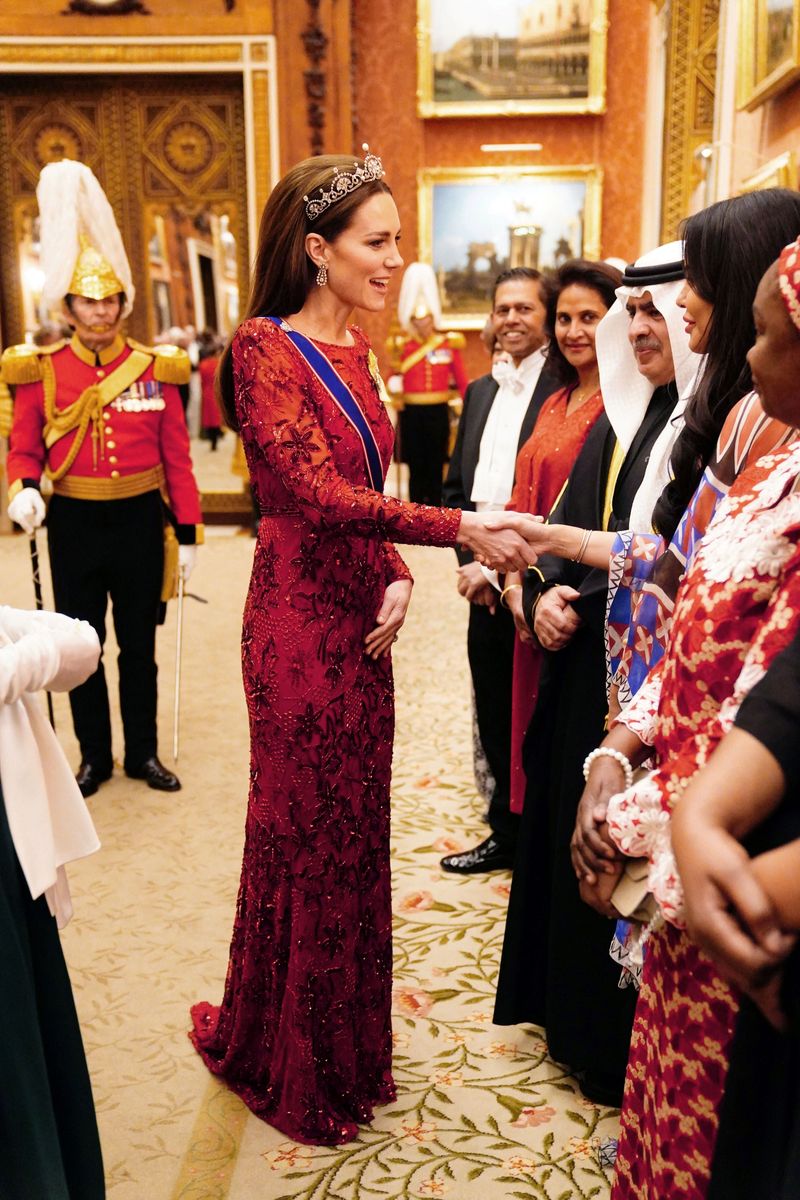
These carefully observed practices reflect the royal family’s commitment to maintaining symbolism, dignity, and public presentation. The monarchy’s focus on preparedness and respect for tradition is evident in every aspect of their dress and behavior, from mourning attire to cultural sensitivity, reinforcing their role as a stable and respectful institution.