21 August 2026
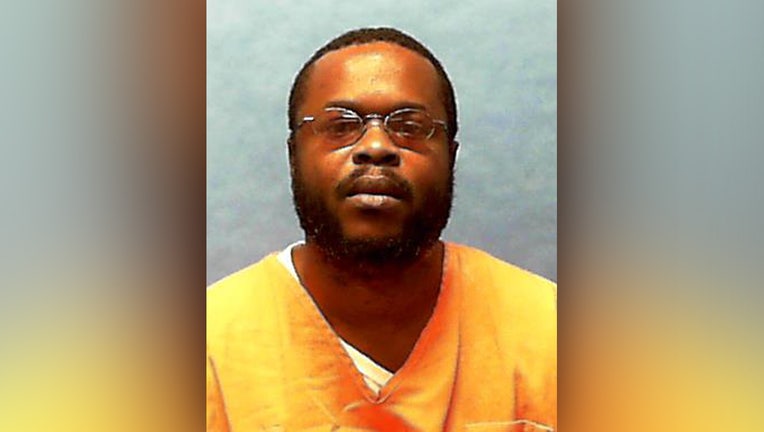
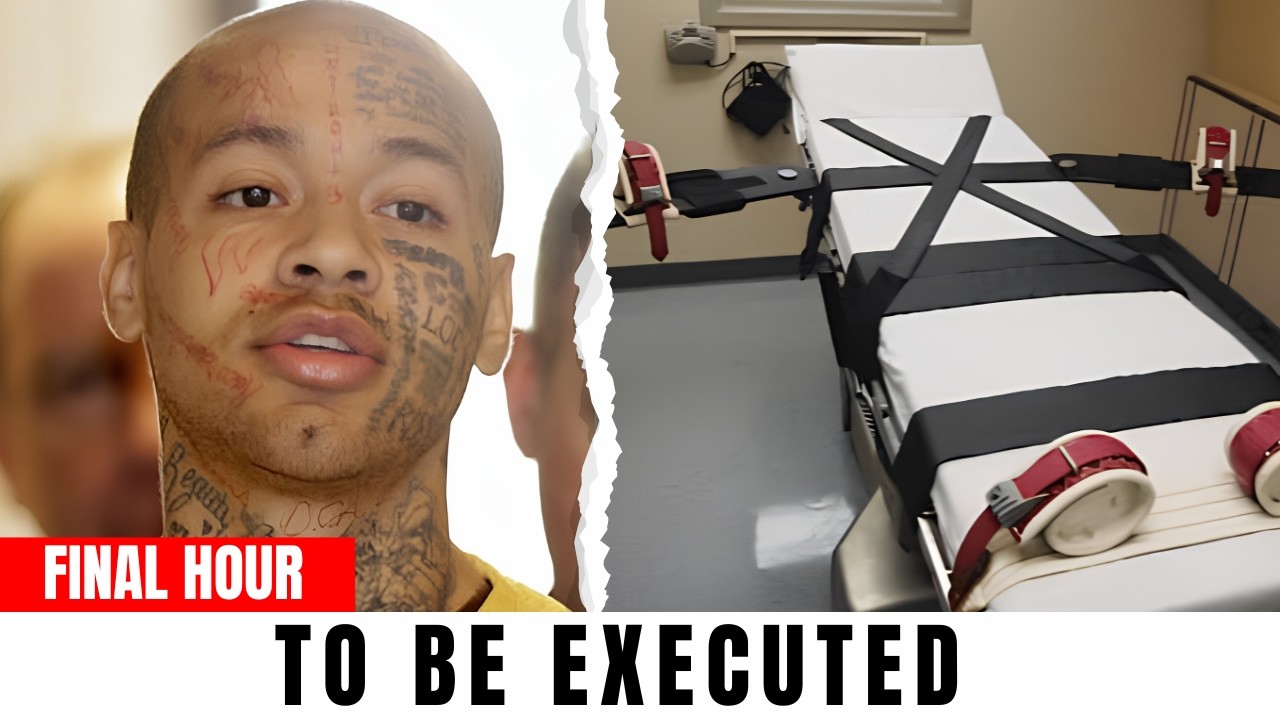
The streets of Omaha fell silent after midnight on August 21st, 2013, not with peace but with an eerie emptiness that swallowed the city whole. Andrea Kruger, a 33-year-old mother of three, drove home through that void, unaware that her final destination was not the house she helped build but a roadside grave. She never walked through her front door again. The man who ended her life had been flagged, watched, and studied by the very institutions sworn to protect her. He had spent a decade telling anyone who would listen exactly what he was capable of. They listened. They documented every warning. And then they opened the gate and let him walk free. Nikko Allen Jenkins was born on September 16th, 1986 in Denver, Colorado, into a household already fractured by violence and neglect. His father carried a criminal record. Allegations of domestic abuse shadowed the home. By age seven, Jenkins brought a loaded firearm to an elementary school, a chilling signal that the system would fail to interpret. At 11, he had a documented record of theft and violent assault against other children. At 12, he attacked someone with a knife. Each incident was logged, filed, and absorbed by a system that responded with paperwork instead of intervention. At 16, Jenkins committed two armed carjackings, and the courts handed him an 18-year prison sentence, effectively closing the file on a child who had never received meaningful mental health support. He entered the adult prison system at that age, and the window for a different outcome began to close. Between 2003 and 2013, Jenkins accumulated over 70 disciplinary violations inside Nebraska prisons, including assaults, weapons possession, and gang activity. He was not quietly serving time. He was deteriorating with every year that passed behind those walls. The most alarming warnings came from Jenkins himself. He began reporting that he was receiving commands from an ancient Egyptian deity named Apophis, a god of chaos and destruction. He described these not as metaphors but as direct instructions to kill. Psychiatrists who evaluated him could not agree on a diagnosis. Some concluded antisocial personality disorder, suggesting he was manipulating the system. Others saw possible psychosis, delusional disorder, or bipolar disorder. They documented their disagreement, and the clock kept moving toward his release date. In the months before his release, Jenkins did something almost unprecedented. He told authorities directly that he should not be let out. He warned them that he was dangerous, that he was not ready, that releasing him would have catastrophic consequences. They wrote it down. And on July 30th, 2013, the Nebraska prison system opened the gates, handed Nikko Jenkins back to the world, and walked away. Twelve days later, two men were dead in a parked truck in Omaha. Juan Uribe Pena and Jorge Cajiga Ruiz were lured under the pretense of a sexual encounter on August 11th, 2013. The trap exploited basic human trust, the assumption that an invitation is what it appears to be. It was not. Jenkins and an associate drew them to a parked truck in Omaha. What followed was not a confrontation or an argument that escalated out of control. It was execution. Both men were shot at close range, deliberately and methodically. Their lives ended in a vehicle on a quiet street while the rest of the city moved through an ordinary Sunday night. Curtis Bradford died on August 17th, 2013. He knew Nikko Jenkins from inside the prison system, meaning he had every reason to understand what Jenkins was capable of. Yet when Jenkins reached out, Curtis came. That is not a character flaw. It is what happens when someone you know extends a hand and you have no reason in that moment to believe it is anything other than genuine. Jenkins lured him into what appeared to be a robbery setup. Then he shot Curtis Bradford in the back of the head, six days after Juan and Jorge were killed. Andrea Kruger was driving home on August 21st, 2013, a drive she had made countless times before on roads she knew in a city she lived in. Jenkins and his associates targeted her vehicle in a carjacking, but this was not over quickly. Andrea was forced to accompany them to an ATM and withdraw money before they killed her. That detail matters because it means she had time. Time to understand what was happening. Time to be afraid in a way that Juan, Jorge, and Curtis may not have had. She was then shot and left on the side of the road.…