Just hours before his shocking murder in New York City, John Lennon spoke openly about life, music, family, and his hopes for the future during what would become his final interview.
The conversation, recorded on Dec. 8, 1980, with RKO Radio hosts Dave Sholin and Laurie Kaye, is now featured in Steven Soderbergh’s new documentary John Lennon: The Last Interview, which premiered at the Cannes Film Festival on May 15.
At the beginning of the interview, Lennon made a statement that now feels especially haunting. “I consider that my work won’t be finished until I’m dead and buried and I hope that’s a long, long time,” he said — unaware that only hours later, he would be fatally shot outside The Dakota apartment building in Manhattan.
At the time, Lennon and Yoko Ono had recently released Double Fantasy, marking his long-awaited return to music after stepping away from the spotlight for five years. The interview became the only radio conversation the couple gave to promote the album, lasting more than three hours.
Throughout the discussion, Lennon appeared energized and creatively inspired. He described his return to songwriting as a “diarrhea of creativity,” explaining that after years away from the studio, ideas and melodies suddenly began pouring out naturally again. He also revealed plans for future projects with Ono, including hopes of making additional albums together.
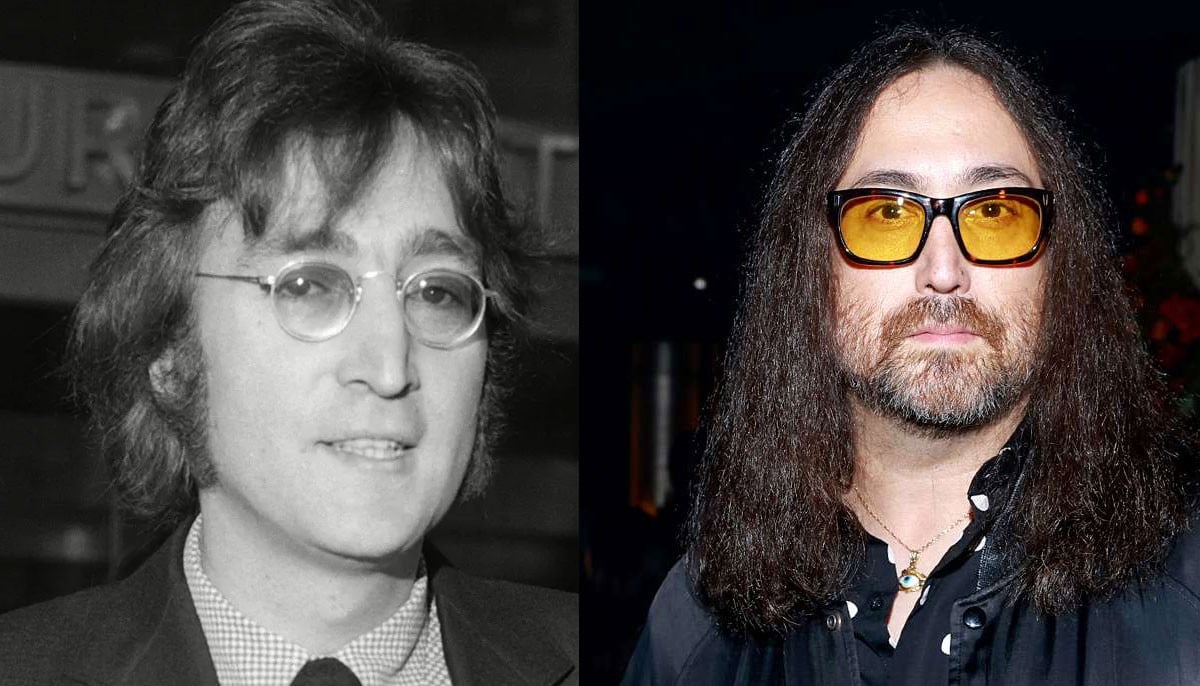
Lennon spoke warmly about Ono, calling her not only his creative partner but also his closest friend. He described working alongside her as “a joy” and reflected on how deeply connected they were both personally and artistically. According to Lennon, Ono and fellow Beatle Paul McCartney were the only collaborators he had maintained long-term creative relationships with.
The interview also offered a deeply personal look into Lennon’s family life. He spoke lovingly about his son Sean, who was just five years old at the time, describing him as his “twin” and saying fatherhood had taught him how to be more genuine and emotionally open. Lennon shared stories about their everyday routines together and how much he valued being present in Sean’s life.
At the same time, Lennon admitted carrying regret over his relationship with his older son Julian, whom he shared with first wife Cynthia Powell. He acknowledged not always being present during Julian’s childhood and reflected honestly on the mistakes he felt he had made as a father.
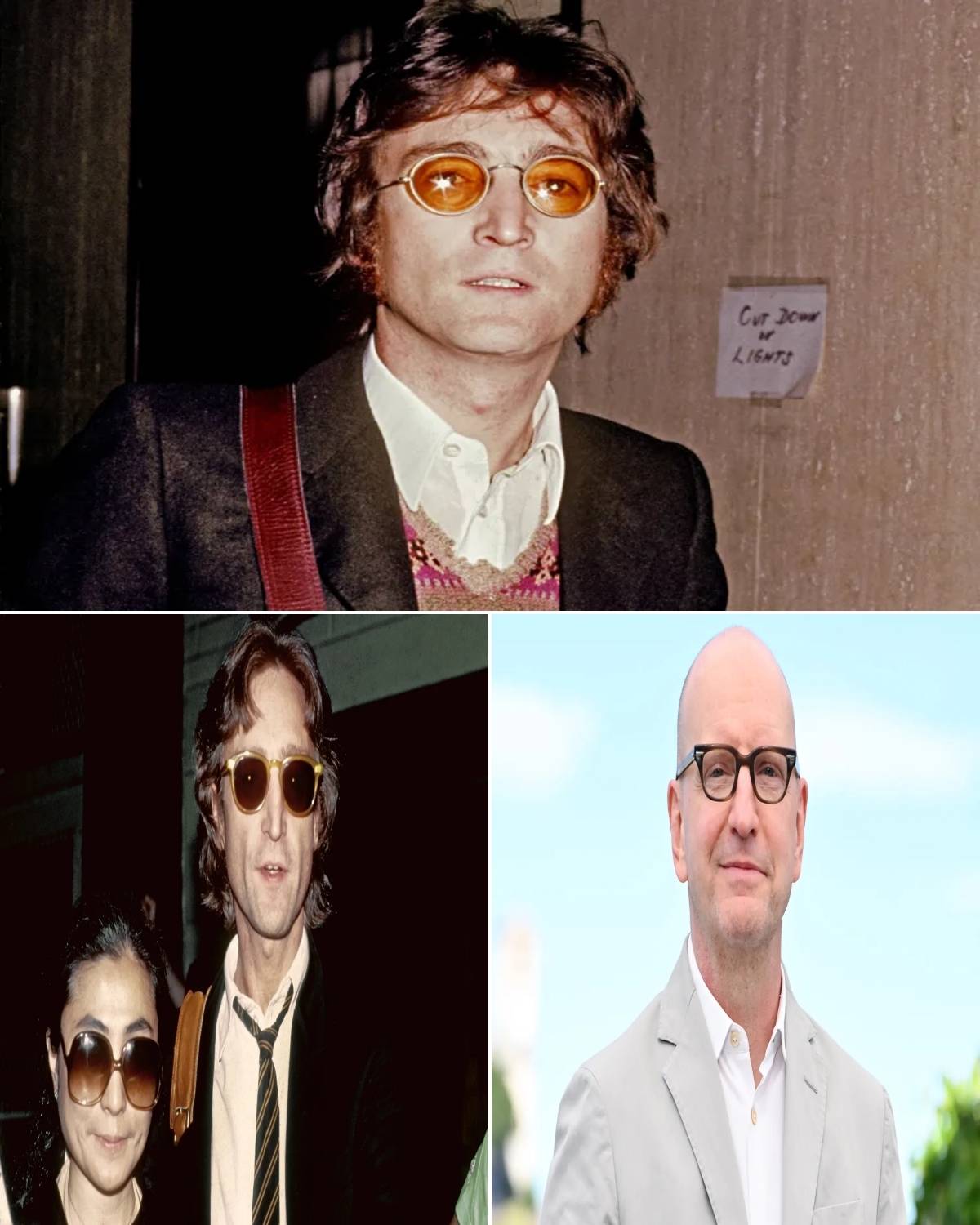
Elsewhere in the interview, Lennon discussed politics, relationships, fame, and even the assassination of President John F. Kennedy. He suggested that Kennedy’s legacy became even more powerful because of his tragic death and wondered what history might have looked like had he survived.
Director Steven Soderbergh later said he was struck by how open and relaxed Lennon and Ono were throughout the conversation. “You would think they had never been interviewed before,” he said, adding that many of Lennon’s reflections about love, politics, and human connection still feel incredibly relevant today.
More than four decades later, the interview remains a heartbreaking final snapshot of an artist who was excited about life again, creatively recharged, hopeful for the future, and still full of ideas he believed he had years left to explore.
.png?auto=webp&format=pjpg&width=3840&quality=60)

