THE BATMAN: PART II — GOTHAM’S DARKNESS GROWS DEEPER
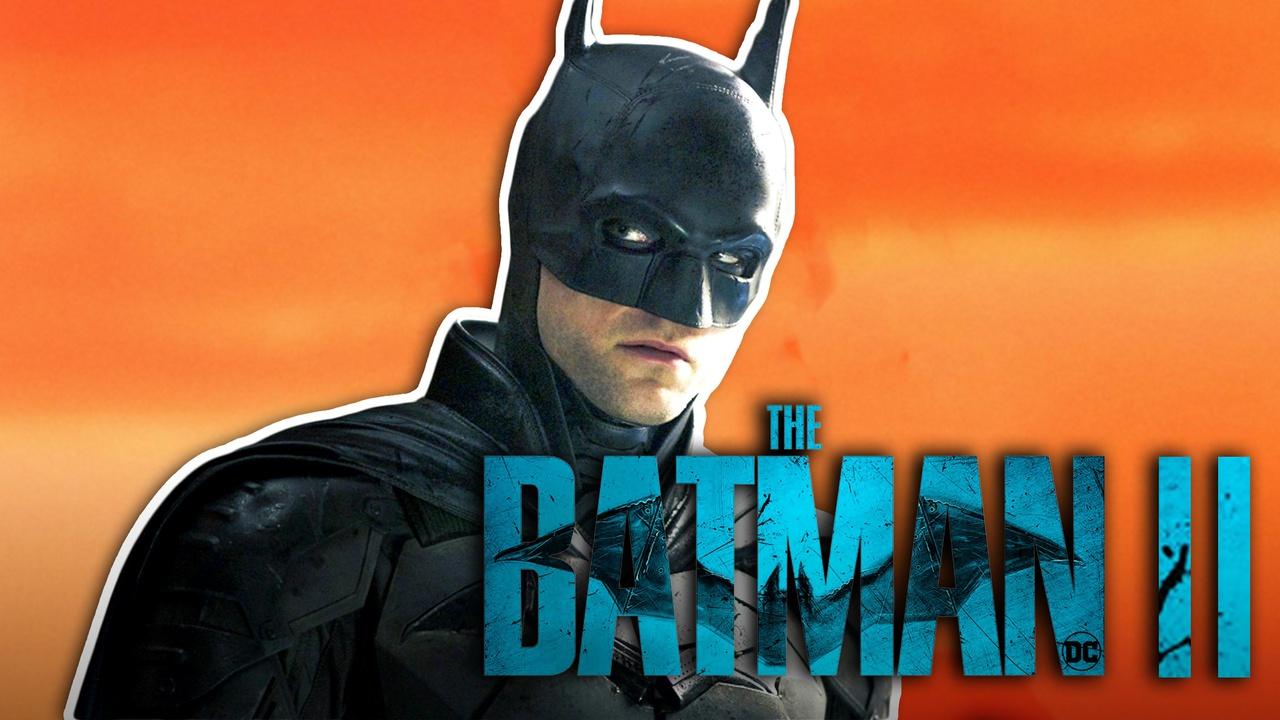
The shadows of Gotham are calling once again.
After the massive success of The Batman (2022), director Matt Reeves returns with The Batman: Part II, the next chapter in his gritty and psychologically intense vision of the Dark Knight. Robert Pattinson’s younger, more emotionally damaged version of Bruce Wayne captured audiences with a grounded detective story that transformed Gotham into one of the most haunting cities ever seen in a superhero film.
Now, the nightmare continues.
If the first film explored Batman learning how to become a symbol of vengeance, The Batman: Part II is expected to push Bruce Wayne into something far more dangerous — a war against the deeper corruption infecting Gotham from within.
And this time, the enemy may know exactly how to break him.
GOTHAM AFTER THE FLOOD
At the end of The Batman, Gotham City was left devastated.
The Riddler’s attacks exposed decades of corruption involving politicians, law enforcement, organized crime, and the city’s most powerful families. Worse still, the massive flooding transformed Gotham into a disaster zone filled with fear, desperation, and instability.
Batman emerged as a symbol of hope for the first time.
But hope in Gotham is fragile.
The Batman: Part II reportedly begins during the aftermath of the flood as the city struggles to rebuild itself. Crime rates are rising, entire neighborhoods remain destroyed, and criminal organizations are fighting to seize control of the chaos left behind.
The power vacuum created by Carmine Falcone’s death has unleashed something even more dangerous:
A full-scale war for Gotham’s soul.
And Batman is caught directly in the middle of it.
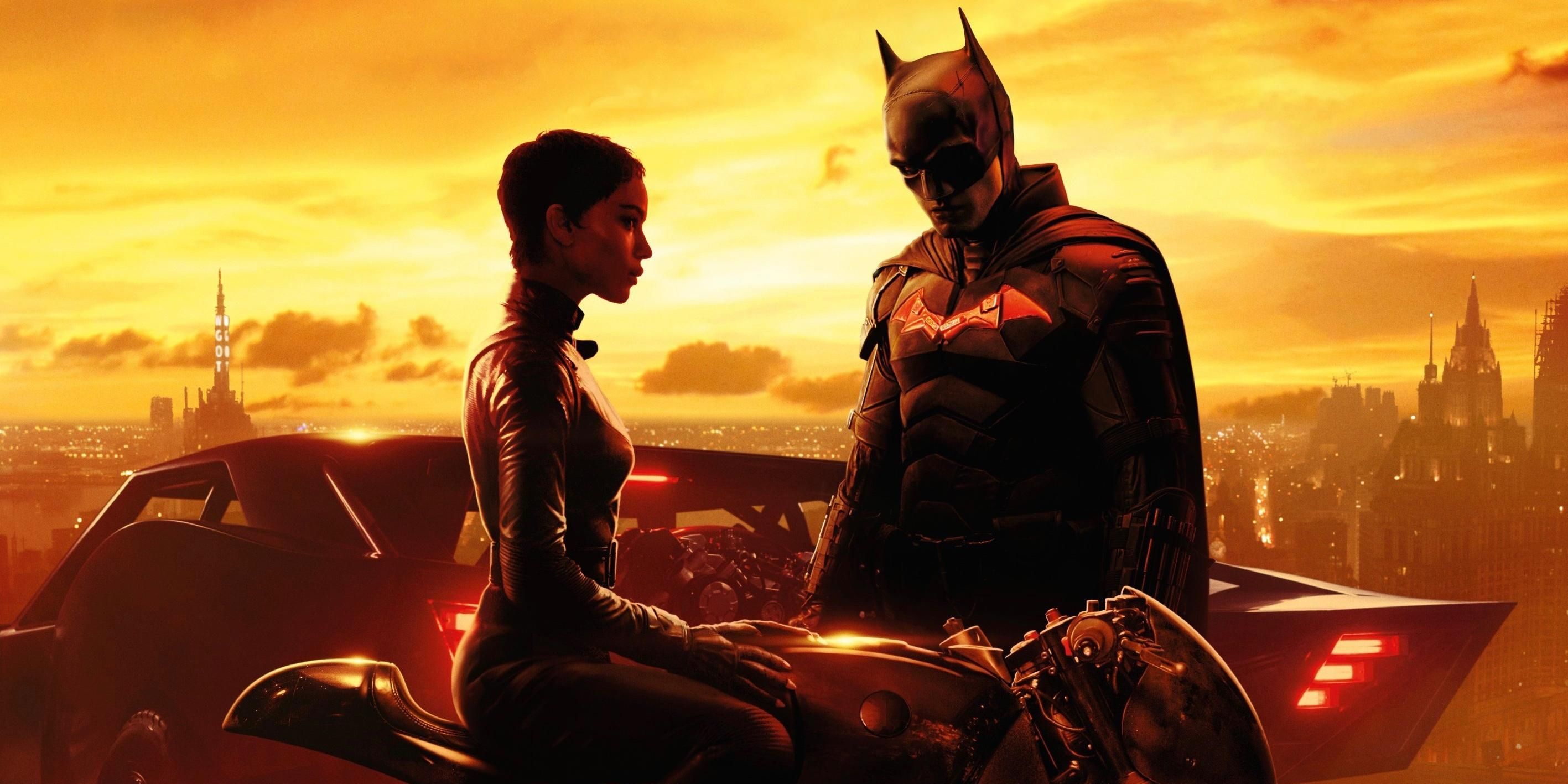
ROBERT PATTINSON’S BATMAN BECOMES DARKER
Robert Pattinson’s portrayal of Bruce Wayne was unlike previous versions of the character. Instead of a polished billionaire playboy, this Batman felt isolated, traumatized, obsessive, and emotionally broken.
That psychological realism reportedly becomes even more intense in Part II.
Bruce is still learning how to balance his dual identity, but Gotham’s endless violence continues pulling him deeper into darkness. The sequel reportedly explores:
- Bruce’s growing paranoia
- His fear of becoming consumed by vengeance
- Emotional isolation
- Survivor’s guilt
- The psychological cost of living as Batman
Unlike traditional superhero stories, Matt Reeves’ Batman universe focuses heavily on emotional damage and moral ambiguity.
Bruce Wayne is not simply fighting criminals.
He’s fighting the possibility that Gotham may be impossible to save.
A NEW VILLAIN EMERGES FROM THE SHADOWS
Although official plot details remain secret, speculation surrounding The Batman: Part II continues to grow.
Fans believe the sequel may introduce one of Batman’s most psychologically dangerous enemies — a villain capable of attacking not just Gotham physically, but Bruce Wayne emotionally.
Matt Reeves has repeatedly emphasized grounded realism and detective-driven storytelling, meaning the next antagonist will likely be deeply tied to Gotham’s corruption, fear, and psychological decay.
Rumored possibilities have included:
- Mr. Freeze
- Hush
- Scarecrow
- Court of Owls
- Clayface
- Professor Pyg
Among these, the Court of Owls remains one of the most discussed theories.
If true, this would dramatically expand Gotham’s mythology by revealing an ancient secret organization controlling the city from the shadows for generations. Such a storyline would perfectly fit Reeves’ focus on systemic corruption and hidden power structures.
And for Bruce Wayne, discovering that Gotham’s darkness runs far deeper than he imagined could become devastating.
THE DETECTIVE STORY CONTINUES
One of the biggest reasons fans loved The Batman was its emphasis on detective work.
Unlike many previous superhero films focused primarily on action spectacle, Matt Reeves created a noir-inspired crime thriller where Batman actually investigates crimes, uncovers conspiracies, and solves mysteries.
Part II reportedly continues that style.
Batman’s investigation into Gotham’s criminal underworld leads him deeper into hidden networks of corruption, political manipulation, and terrifying secrets connected to the city’s elite families.
The sequel is expected to feel:
- More psychological
- More suspenseful
- More emotionally intense
- More focused on mystery and investigation
This grounded approach helps separate Reeves’ Batman universe from the larger comic-book multiverse trend dominating modern superhero cinema.
CATWOMAN’S RETURN CHANGES EVERYTHING
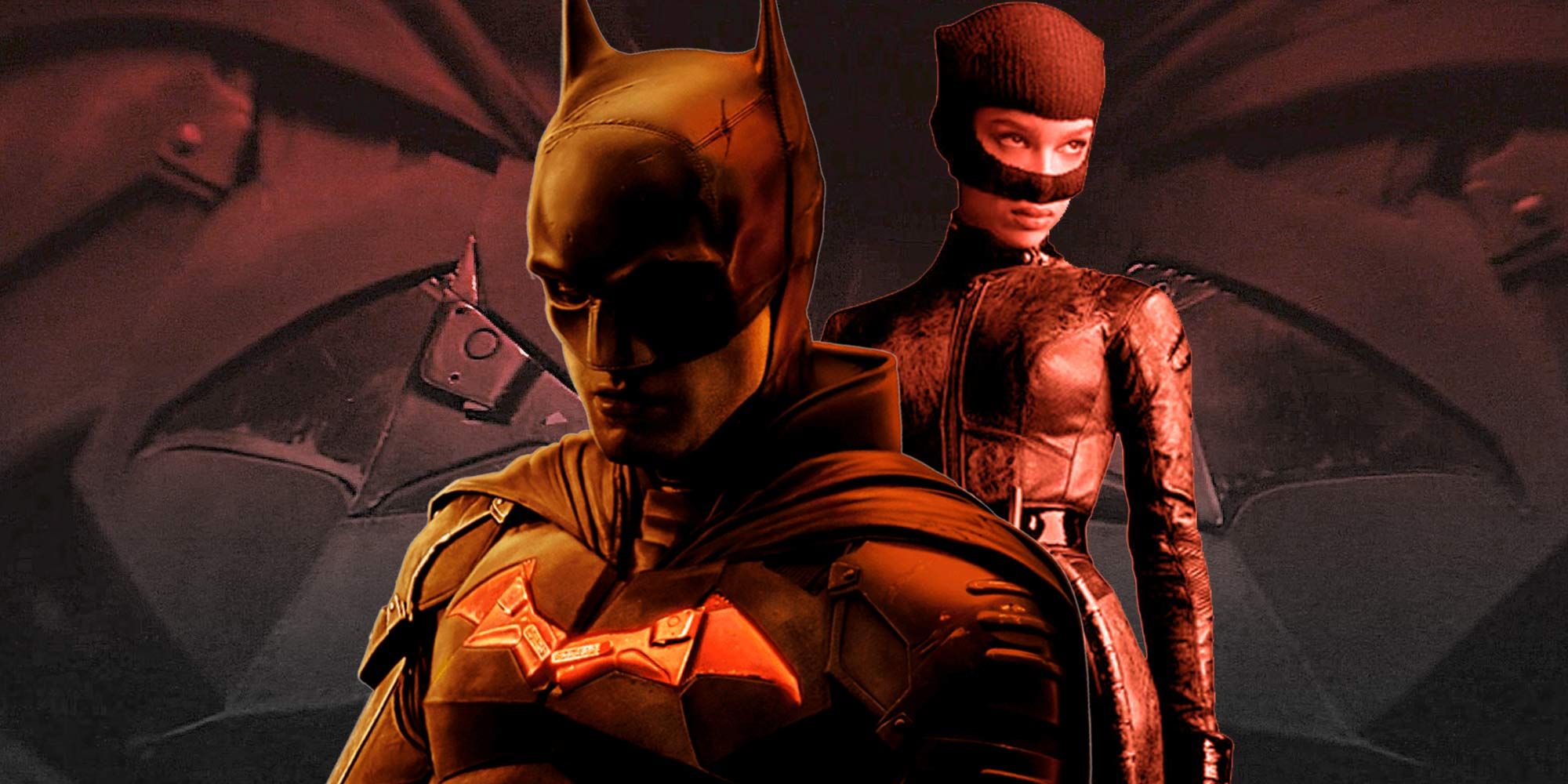
Zoë Kravitz’s Selina Kyle was one of the standout characters from the first film, and her return could dramatically impact Bruce Wayne emotionally.
At the end of The Batman, Selina left Gotham behind, believing the city was too corrupt to save. But Bruce chose to stay.
That separation reportedly creates emotional tension in the sequel as their relationship evolves further.
Selina understands Bruce in ways almost nobody else can, yet she also sees the danger of his obsession more clearly than he does himself.
Their relationship remains complicated because they represent two very different responses to Gotham:
- Bruce wants to save it
- Selina wants to escape it
And both may be right.
THE PENGUIN RISES TO POWER
Colin Farrell’s Penguin is also expected to play a major role moving forward.
After Falcone’s death, Gotham’s organized crime landscape has changed completely. Oswald Cobblepot sees an opportunity to finally rise from mob lieutenant to criminal kingpin.
The sequel reportedly explores Penguin consolidating power while Gotham remains vulnerable after the flood.
Unlike theatrical comic-book villains, Reeves’ Penguin feels terrifying because he’s believable:
- Ruthless
- Opportunistic
- Intelligent
- Patient
He thrives in chaos.
And Gotham has never been more chaotic.
GOTHAM FEELS LIKE A HORROR MOVIE
One thing that separates The Batman from previous superhero franchises is atmosphere.
Matt Reeves transformed Gotham into a living nightmare:
- Endless rain
- Neon reflections
- Dark alleys
- Corrupt institutions
- Violence hidden beneath every street
Part II reportedly leans even harder into psychological horror and noir influences.
The city itself remains one of the story’s most important characters — a decaying urban labyrinth consuming everyone trapped inside it.
Every criminal, politician, and citizen seems shaped by Gotham’s corruption.
Even Batman.
That atmosphere reportedly becomes darker and more emotionally oppressive in the sequel, creating a film that feels closer to a crime thriller or horror mystery than a traditional superhero blockbuster.
ACTION WITH REAL CONSEQUENCES
Although the sequel continues emphasizing detective storytelling, the action remains brutal and grounded.
Unlike exaggerated superhero combat, Reeves’ Batman fights like a desperate, angry man surviving through pain and determination.
The sequel reportedly expands the scale of action while preserving realism:
- Urban warfare across flooded Gotham
- Violent gang conflicts
- Psychological confrontations
- High-speed chases
- Brutal close-quarters combat
But every fight in Reeves’ universe has emotional consequences.
Batman bleeds.
He makes mistakes.
He struggles physically and mentally.
That realism gives the action unusual intensity.
WHY FANS ARE SO EXCITED
The Batman succeeded because it offered something different from modern superhero films:
- Grounded storytelling
- Psychological complexity
- Detective noir atmosphere
- Emotional vulnerability
- Realistic corruption
- Character-focused drama
Now The Batman: Part II has the opportunity to expand that world even further while deepening Bruce Wayne’s emotional journey.
Fans are especially excited because Matt Reeves appears committed to building a long-form crime saga rather than simply another comic-book franchise.
This Batman universe feels personal, dangerous, and emotionally raw in ways few superhero films attempt.
A DIFFERENT KIND OF HERO STORY
At its core, The Batman: Part II is not simply about stopping villains.
It’s about trauma.
About obsession.
About whether someone can dedicate their entire life to fighting darkness without eventually becoming consumed by it.
Bruce Wayne wants Gotham to survive.
But Gotham may destroy him first.
That emotional conflict is what makes Reeves’ interpretation so compelling.
Batman is not portrayed as an unstoppable legend.
He’s portrayed as a deeply wounded man desperately trying to create meaning from pain.
CONCLUSION: THE KNIGHTMARE IS ONLY BEGINNING
The Batman: Part II promises to continue one of the darkest and most psychologically intense superhero stories ever brought to the screen.
With Gotham descending further into chaos, new enemies rising from the shadows, and Bruce Wayne struggling against his own inner darkness, the sequel may become even more emotional, haunting, and dangerous than the first film.
Because in Matt Reeves’ Gotham…
the real horror isn’t the criminals hiding in the streets.
It’s what the city slowly turns people into.