After more than 166 years, the fate of some of the lost men of the 1845 Franklin Expedition is finally becoming clear. Using cutting-edge DNA analysis, researchers have positively identified the remains of four sailors who perished in the Canadian Arctic after HMS Erebus and HMS Terror became trapped in ice.
The study, conducted by the University of Waterloo and published in Journal of Archaeological Science: Reports and Polar Record, confirms the identities of William Orren, David Young, John Bridgens, and Harry Peglar. These identifications not only restore names to previously anonymous remains but also provide new insights into the tragic final days of the expedition.
 The Mystery of Harry Peglar
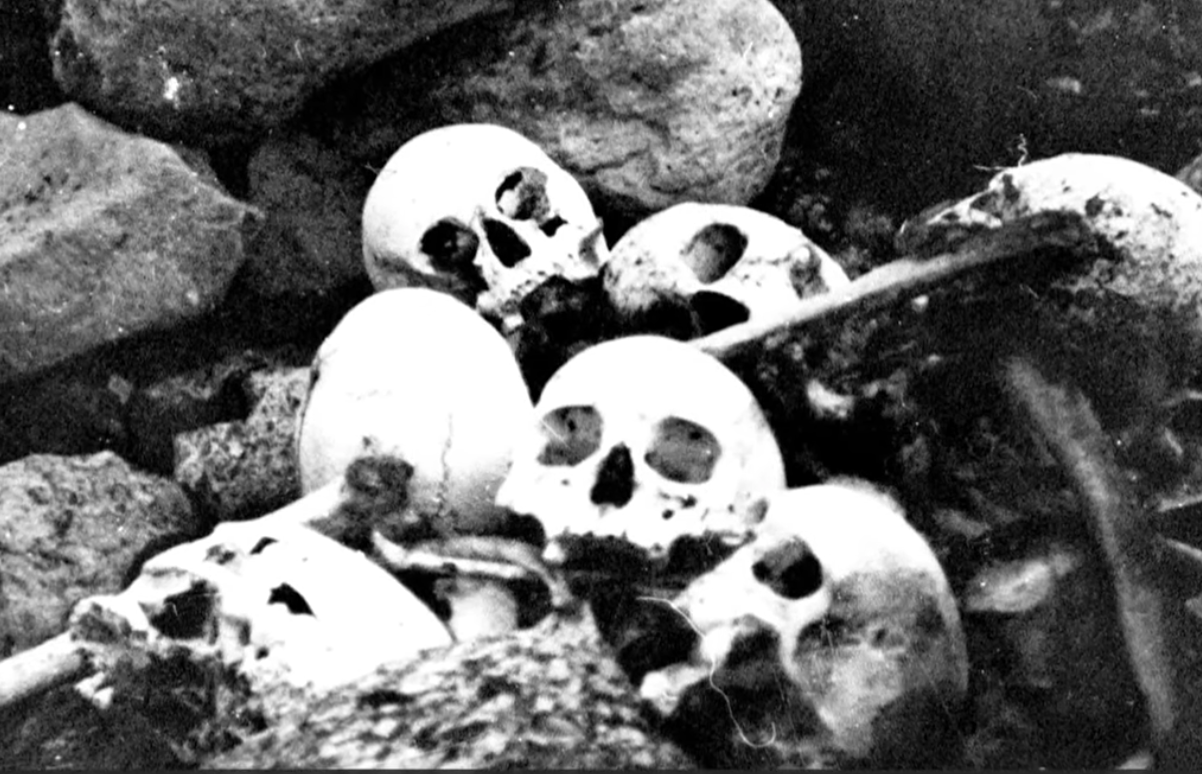
Harry Peglar, Captain of the Foretop on HMS Terror, had been a figure of particular historical interest. His skeletal remains were discovered on King William Island in 1859 alongside a wallet containing the “Peglar Papers,” a collection of poems and notes written backward.
For decades, the find presented a puzzle: the clothing suggested a lower-ranking steward rather than a senior sailor, leading historians to speculate that the skeleton belonged to a shipmate who had been carrying Peglar’s personal effects.
The new DNA analysis settles the debate. Peglar himself had perished, apparently wearing a steward’s coat — possibly as a desperate measure to keep warm or because he had taken the coat from a deceased companion. Historian Russell A. Potter notes that this detail highlights the extreme conditions and the desperation faced by the crew as they tried to survive in one of the harshest environments on Earth.
 Solving a 166-Year Mystery
The identifications mark a major milestone in understanding the Franklin Expedition, a voyage that has fascinated historians and the public for nearly two centuries. The use of DNA from living descendants allowed researchers to conclusively tie skeletal remains to named individuals, providing a more complete picture of who these men were and what they endured.
Beyond restoring identities, the findings illuminate the extreme hardships faced by the expedition: isolation, freezing temperatures, starvation, and the difficult choices that the crew made in their struggle to survive.
As more remains are studied, DNA technology promises to reveal additional details about the lives, deaths, and personal histories of the men aboard HMS Erebus and HMS Terror, further unraveling one of the most haunting mysteries of Arctic exploration.