What really happened on that dark Ohio road in July 2022? That question continues to haunt the shocking case of Mackenzie Shirilla, the teenager convicted of murdering her boyfriend, Dominic Russo, and friend, Davion Flanagan, after driving her car at nearly 100 miles per hour into a brick building. The horrifying crash instantly killed both passengers and left investigators scrambling to determine whether the deadly collision was a tragic accident — or something far more sinister.
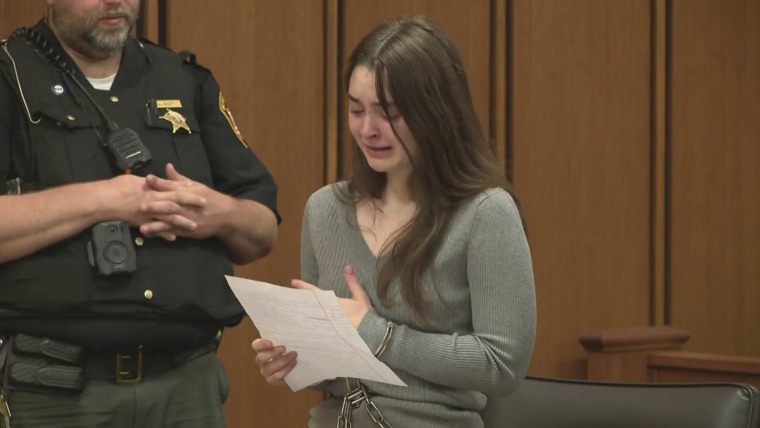
At first, authorities believed drugs or alcohol may have played a role in the crash. While Mackenzie later tested positive for marijuana, investigators concluded it did not contribute to the incident, and she tested negative for alcohol. As forensic experts dug deeper into the wreckage, they discovered something far more troubling: the accelerator pedal had been fully pressed down seconds before impact, sending the vehicle speeding uncontrollably toward the wall. Investigators also ruled out any mechanical malfunction that could have caused the sudden acceleration.
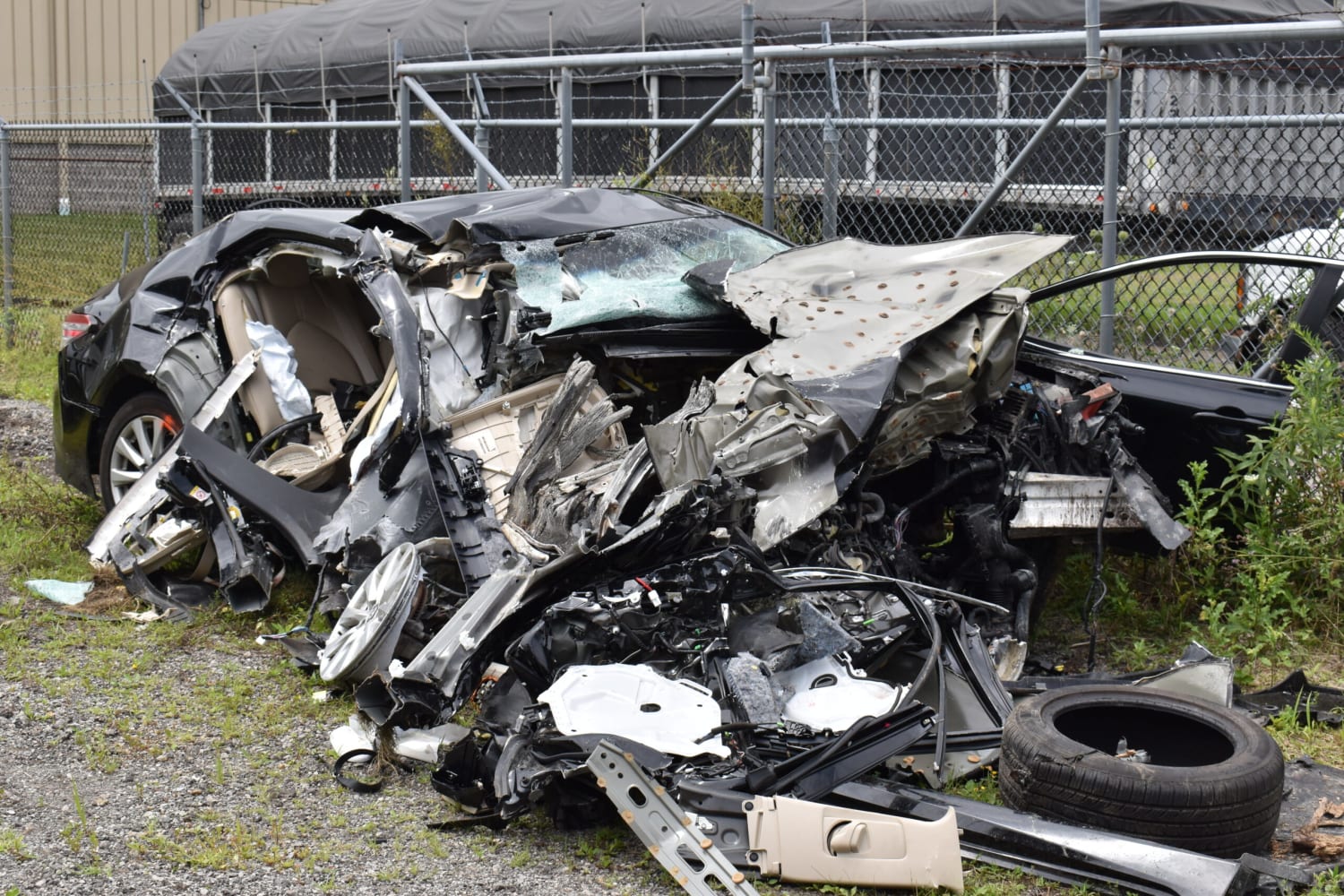
Prosecutors quickly built a chilling theory around the evidence. According to the state, Mackenzie intentionally drove the vehicle into the building as part of what they described as an emotionally charged act tied to her turbulent relationship with Dominic Russo. During trial proceedings, prosecutors argued the teen made a conscious decision to accelerate at full speed without braking, comparing the crash to a deliberate act rather than reckless driving. The disturbing nature of the evidence led to her conviction on multiple charges, including two counts of murder and aggravated vehicular homicide.
The case became even more controversial after Mackenzie’s defense team and family pushed back against the prosecution’s narrative. Her attorneys argued that she suffered a medical emergency moments before the crash and may have blacked out behind the wheel. Supporters claimed that the teenager had struggled with health issues that could explain her behavior and insisted the tragedy was never intentional. Even after her conviction, Mackenzie has continued maintaining that she did not mean to kill anyone.

Despite the defense arguments, the court ultimately sided with prosecutors. Mackenzie Shirilla was sentenced to two concurrent prison terms of 15 years to life, a punishment reflecting the judge’s conclusion that the crash was intentional and calculated. The emotional courtroom proceedings left the victims’ families devastated while also fueling public debate online, where many remain divided over whether the teen should be viewed as a cold-blooded killer or a troubled young woman involved in a catastrophic accident.
Years later, the case still sparks intense fascination across the true crime world. With questions surrounding motive, mental health, forensic evidence, and teenage relationships, the deadly crash remains one of the most disturbing and controversial criminal cases involving a young driver in recent memory — a tragedy that forever changed multiple families in a matter of seconds.
,type=downsize)