31 August 2026
The 1988 comedy classic Coming to America remains a towering achievement in cinematic comedy, but a deep dive into its production history reveals a treasure trove of secrets, near-misses, and improvised genius that fundamentally altered the film’s trajectory. From an illegal hotel shoot to a legal showdown with a fast-food giant, the journey of Prince Akeem was far more chaotic and fascinating than the polished final cut suggests. The film’s most iconic opening moments, featuring Prince Akeem and his loyal aide Semmi arriving at the opulent Waldorf Astoria, were captured under a cloud of deception. Production crews reportedly lacked the official permits required to film inside the legendary New York hotel. Faced with the prospect of losing the grandeur of a real luxury location, the team executed a covert operation. They smuggled in minimal equipment, shot the necessary footage with breakneck speed, and evacuated the premises before hotel security or management could intervene. The gamble succeeded, and the resulting footage lent an authentic air of regal splendor to Akeem’s arrival that a studio set could never have replicated. The casting of Arsenio Hall as the fast-talking Semmi was a pivotal decision that reshaped the film’s comedic landscape. At the time, Hall was committed to voicing the character Winston Zeddemore in an animated Ghostbusters spin-off. The opportunity to join Eddie Murphy on the big screen was too significant to pass up, prompting Hall to abandon the animated series. This decision proved transformative, as Hall didn’t just play Semmi; he also disappeared into multiple supporting roles, including a fiery preacher, a barbershop regular, and a memorable, aggressively flirtatious woman in a nightclub. His chameleon-like performance and natural chemistry with Murphy became the engine for many of the film’s most beloved scenes. One of the film’s most brilliant satirical creations, the fast-food parody McDowell’s, nearly brought the production to its knees legally. The restaurant was a deliberate and hilarious mirror of McDonald’s, complete with golden arches, a "Big Mick" burger, and identical uniforms. The parody was so effective that representatives from the real McDonald’s corporation visited the set, concerned about trademark infringement. To avoid a lawsuit, the filmmakers had to produce extensive documentation outlining the differences between the two establishments, even down to the specific placement of sesame seeds on the buns and the composition of the beef patties. The legal threat dissipated, and McDowell’s went on to become a cultural touchstone, later inspiring real-world pop-up restaurants that allowed fans to step into the joke. Long before he was a global superstar, Samuel L. Jackson made a brief but unforgettable appearance in the film. In a role with no name and only a few lines, Jackson plays an armed robber who violently interrupts the calm of McDowell’s, demanding cash from the register. The scene is a masterclass in screen presence, as Jackson’s intensity is palpable even in those fleeting seconds. At the time, he was a relative unknown, and this small role served as an early showcase for the commanding energy that would later define his career. For fans watching today, spotting a young Jackson in the background is a thrilling reminder of the film’s deep bench of talent. The film’s most quoted barbershop scene, featuring Eddie Murphy’s elderly character Clarence launching into a tirade about Muhammad Ali, was a complete accident. The entire exchange, where Clarence insists his mother named him Clay and he refuses to change it for anyone, was reportedly improvised by Murphy on the spot. He stayed in character and let the argument build naturally, much to the delight of the crew, who were reportedly in hysterics behind the camera. The unscripted take was so perfect that it was kept in the final cut, becoming one of the film’s most iconic and repeated moments. Its legacy was so strong that a version of the argument was recreated for the 2021 sequel, Coming 2 America. Arsenio Hall’s commitment to his roles extended to a transformation so convincing it fooled his own mother. For the nightclub scene, Hall donned heavy prosthetics, a wig, and a full costume to portray a bold, desperate woman looking for a date. The disguise was so effective that when Hall’s mother first saw the film, she did not recognize her son. When she finally realized the truth, Hall later joked that she was more disturbed by that particular character than any of his other performances. The role was not a simple background gag; Hall’s full commitment made the character a standout in a film already populated with larger-than-life personalities. The infectious and hilariously over-the-top Soul Glo jingle was not a throwaway joke. It was composed by Nile Rodgers, the legendary musician behind some of the biggest dance and disco hits of the era. Rodgers was tasked with creating the perfect sound of an exaggerated 1980s hair-care commercial, and he delivered a dramatic, polished jingle that sounded surprisingly authentic. The serious treatment of the fake product, complete with slow-motion shots and dripping activator, made it even funnier. The effect was so convincing that some viewers reportedly believed Soul Glo was a real product they could purchase. The jingle’s brief appearance left a permanent mark on pop culture, remaining one of the film’s most memorable musical moments. The realistic appearance of Saul, the elderly Jewish barber, was a triumph of makeup artistry by the legendary Rick Baker. To create the character, Baker did not rely solely on imagination; he used his own father-in-law as the inspiration for Saul’s appearance, voice, and mannerisms. The connection went even deeper, as Baker’s father-in-law also served as a hand double for close-up shots, providing the aged, weathered hands that viewers see on screen. This attention to detail, from the prosthetics to the real-life inspiration, made Saul a believable and distinct character, hiding Murphy’s identity completely. Baker later described the work as one of his most technically demanding and rewarding transformations. A young Cuba Gooding Jr. made his film debut in Coming to America without uttering a single word. He appears in the famous barbershop scene, sitting quietly in a chair while Eddie Murphy’s character gives him a haircut. The role is so minor that he is easy to miss, but it marked the beginning of a career that would eventually lead to an Academy Award. For fans, spotting Gooding in the background is a delightful Easter egg, a small glimpse of a future star at the very start of his journey in Hollywood. One of the film’s funniest moments also inadvertently popularized a global cultural gesture. When Randy Watson and his band, Sexual Chocolate, finish their disastrous rendition of "The Greatest Love of All," Watson drops the microphone with an air of supreme confidence. This "mic drop" was reportedly not in the script. Eddie Murphy and Arsenio Hall improvised the gesture during filming, turning a ridiculous performance into a legendary comedic beat. At the time, the act of dropping a microphone to signify a definitive statement was not a widely known trope. Murphy has even claimed it may be one of the earliest examples of the gesture captured on film. Whether or not that claim is entirely accurate, the moment remains an early and iconic use of a move that would later become standard in comedy, music, and internet culture.…
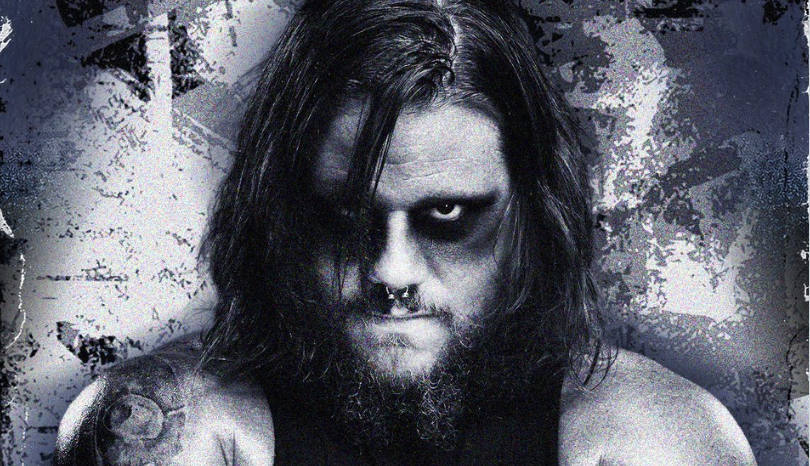 Former WWE superstar Joe Gacy has officially announced his first wrestling appearance since being released by WWE earlier this year.
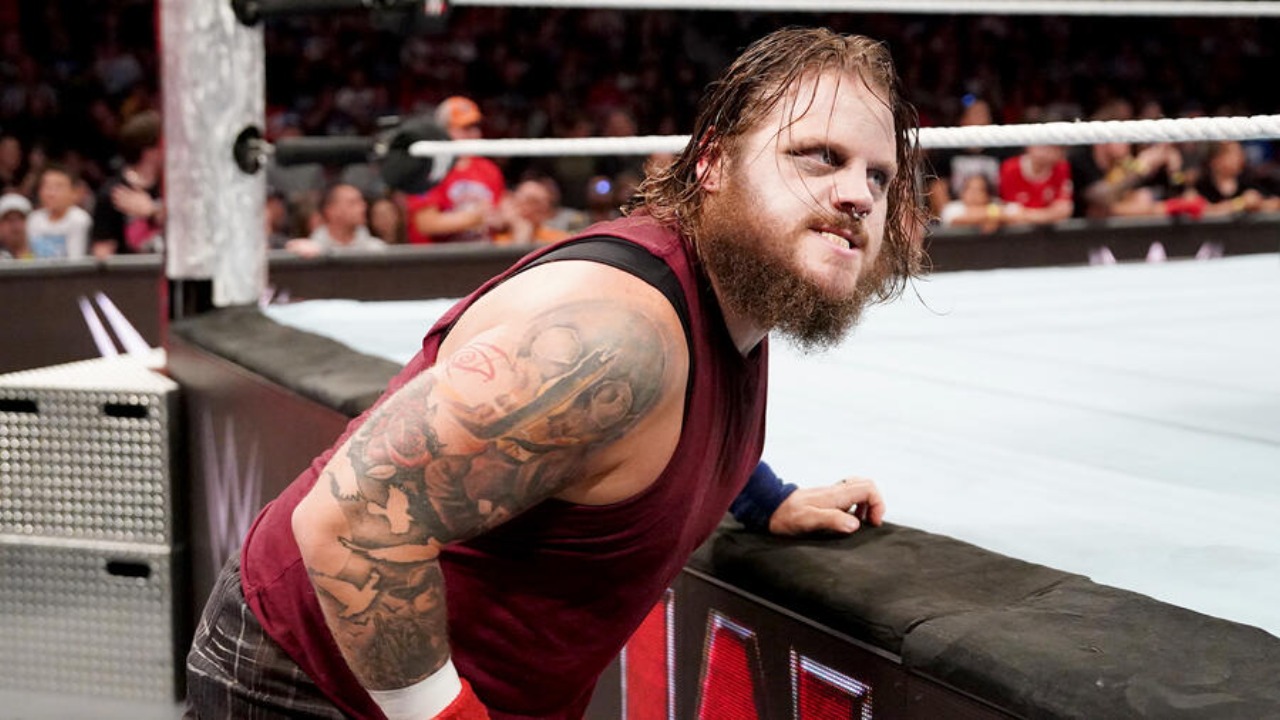 While Joseph Sawyer is the first member to publicly confirm an upcoming match, the remaining former Wyatt Sicks members have yet to announce official in-ring return dates.
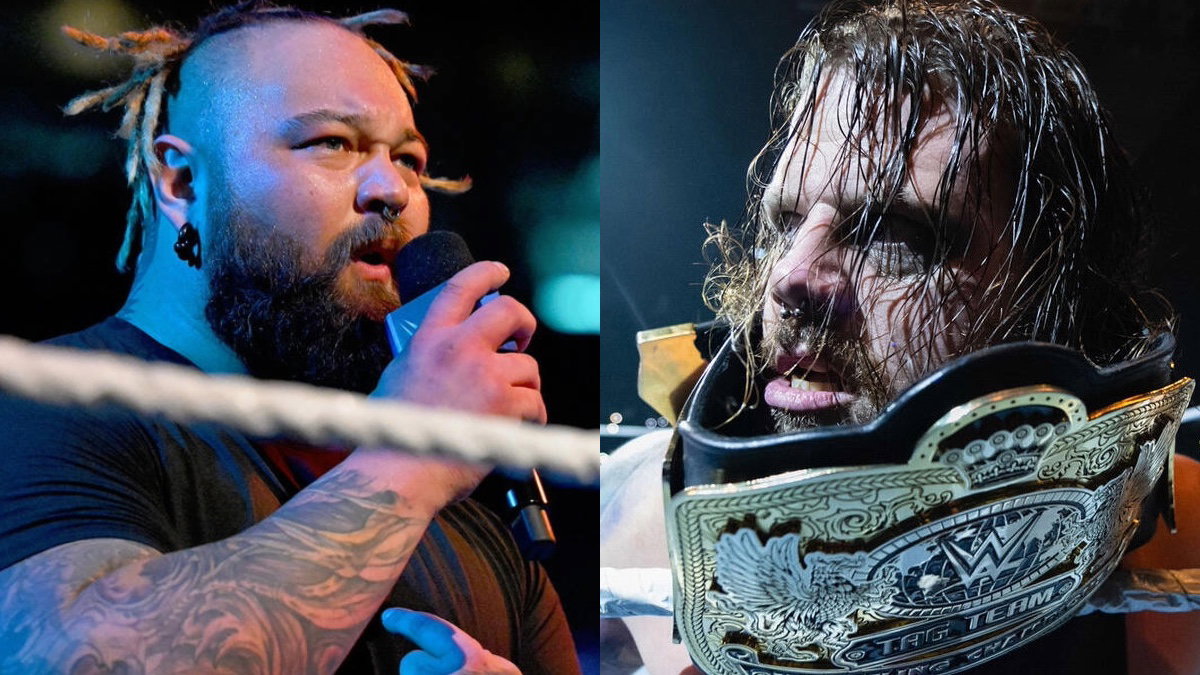 However, several members of the faction are already scheduled for a public appearance during SummerSlam weekend as part of WrestleCon in Minneapolis, where they will appear under updated ring names.

