 For generations, history books described the fall of the Roman Empire as a period dominated by massive invasions from powerful Germanic tribes sweeping across Europe. But a groundbreaking new genetic study is now challenging that long-accepted narrative — and the findings could reshape how historians understand the origins of modern Central Europe.
An international team of researchers has analyzed ancient DNA from hundreds of individuals buried in southern Germany between 400 and 700 AD, uncovering evidence that Europe’s transformation after Rome was far more gradual and complex than previously believed.
The study, published in the journal Nature, was led by Professor Dr. Joachim Burger of Johannes Gutenberg University Mainz and involved experts from multiple countries across Europe.
Ancient DNA Reveals a Different Story
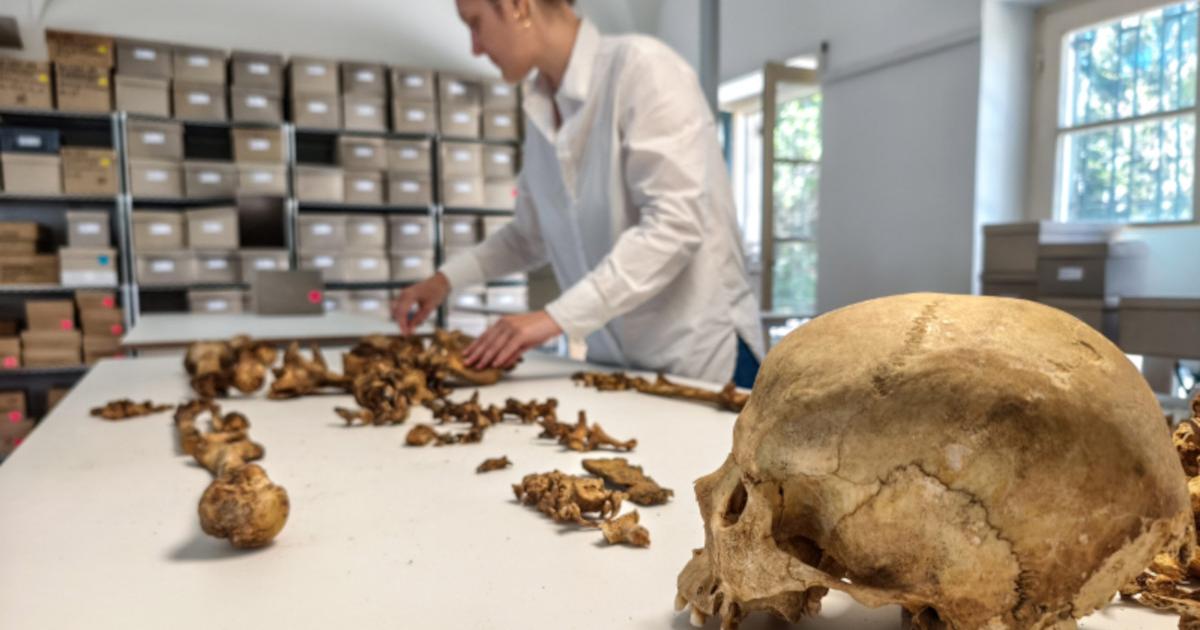
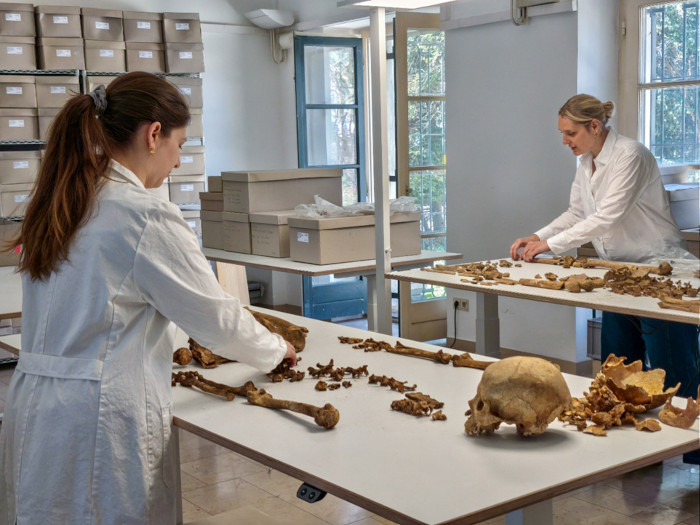
Researchers examined 258 genomes recovered from early medieval burial sites in present-day Bavaria and Hesse. These samples were then compared with nearly 3,000 ancient and modern genomes to trace population movements during one of Europe’s most important historical transitions.
Instead of finding evidence for massive coordinated invasions, the team discovered signs of smaller migration waves involving families and local groups moving south over time.
The study revealed that people with northern European ancestry had already been living in southern Germany even before the collapse of the Western Roman Empire. Many of these communities gradually adapted to Roman customs, lifestyles, and social systems while continuing to maintain some of their own traditions.
According to the researchers, this suggests that the transformation of Europe happened through integration and cultural blending rather than sudden population replacement.
 What Happened After Rome Collapsed?
The researchers identified a major turning point around 470 AD, when Roman political structures began to disappear across Western Europe.
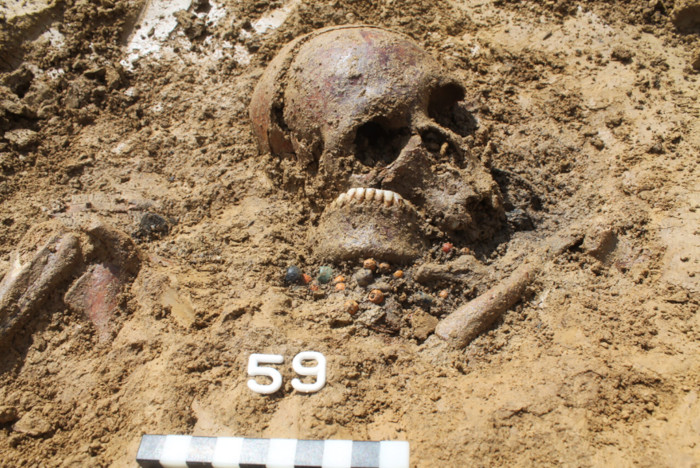
As cities weakened and military settlements declined, populations became more mobile. Communities that had previously lived separately started forming shared settlements and burying their dead together in common cemeteries.
This period appears to mark the beginning of stronger integration between local Roman-era populations and incoming northern groups.
Scientists also reconstructed family relationships from the DNA evidence and found that households were mainly built around nuclear families rather than large tribal clans. Marriage patterns also reflected long-standing Roman social traditions, including monogamy and avoidance of close-relative marriages.
 Europe’s Modern Population Took Shape Earlier Than Expected
One of the study’s most significant conclusions is that many features of modern Central European populations were already emerging by the seventh century.
Researchers found strong genetic continuity between these early medieval communities and present-day populations in southern Germany, showing that both local Roman-era groups and incoming northern populations contributed to the region’s long-term demographic makeup.
The findings challenge older theories that described the post-Roman world as the result of large ethnic groups replacing one another through conquest.
Instead, the evidence points toward centuries of migration, adaptation, and cultural exchange inside the fading Roman world.
Historians say the study provides one of the clearest scientific pictures yet of how Europe evolved after the end of Roman rule — not through a single dramatic invasion, but through generations of gradual change.