Why archaeologists are excited
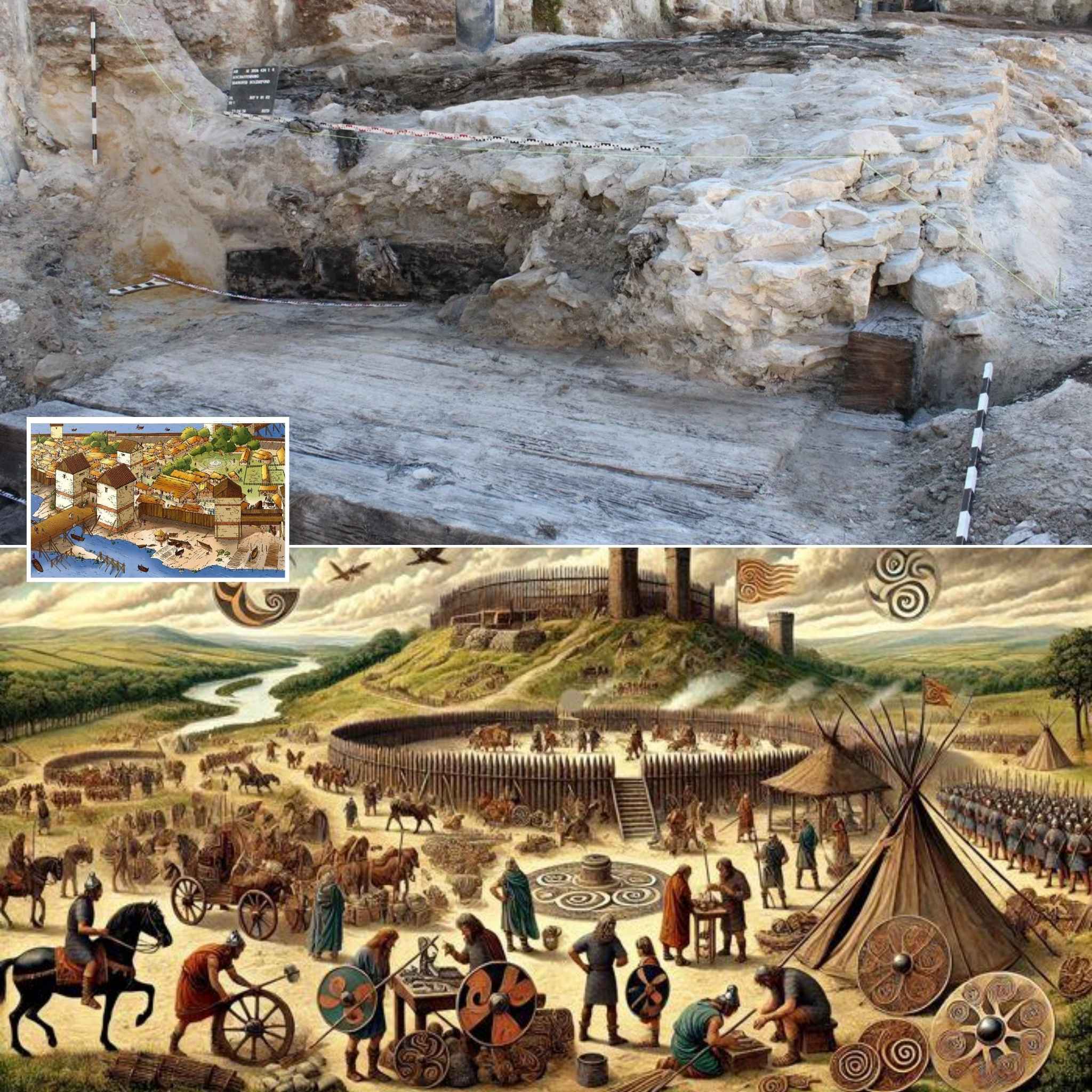
The structure dates to the early La Tène period, around the 4th century B.C., and was found nearly 8 meters underground beside the Main River.
What makes it extraordinary is the preservation:
- huge oak beams survived intact because they remained waterlogged
- the structure included a dry-stone riverside wall
- researchers created detailed 3D models before removal
At first, archaeologists assumed the wood was medieval or modern because the condition was so good. Only tree-ring analysis (dendrochronology) revealed the beams were over 2,400 years old.
Why the construction style is unusual
Iron Age communities in Central Europe typically built with:
- timber
- earthworks
- palisades
Stone masonry from this period is comparatively rare outside defensive fortifications.
This site combines:
- engineered oak beamwork
- river-facing stone reinforcement
- large-scale construction beside a major waterway
That suggests the structure may have been:
- an elite riverside complex
- a harbor installation
- a trading center
- part of a larger fortified settlement
Possible Celtic connection
The site belongs to the wider cultural sphere associated with Iron Age Celtic Europe.
La Tène culture artifacts and reconstructions


The La Tène culture spread across much of Europe and is known for:
- advanced metalwork
- long-distance trade
- river commerce
- fortified settlements (oppida)
Finding a sophisticated riverside structure fits well with what archaeologists know about Celtic trade networks along European rivers.
Why rivers mattered
The Main River was effectively an ancient transportation highway.
Before major roads existed, rivers were the fastest way to move:
- metals
- salt
- pottery
- food
- luxury goods
If this was a harbor or trade installation, it could help explain how the region became economically important long before Roman expansion into Germany.
The preservation conditions
Waterlogged sites are archaeological goldmines because oxygen is limited underground. Without oxygen:
- wood decays much more slowly
- organic materials survive
- construction details remain visible
That’s why archaeologists could still analyze the oak beam tool marks and growth rings.
Excavation and preserved timber examples


What could happen next
Researchers will likely study:
- pollen and seeds trapped in sediments
- tool marks on the beams
- trade evidence
- nearby settlement remains
- riverbank engineering methods
If more structures are uncovered, the site could become one of the most important Iron Age river settlements discovered in southern Germany in recent years.