More than fifty years after humanity last stepped on the Moon, one question continues to fascinate millions of people around the world: why did we stop going back? Now, former Apollo astronaut Charles Duke — one of the last surviving humans to walk on the lunar surface — has once again shared the real reasons behind America’s long absence from the Moon, and the answer is far less mysterious than many conspiracy theories claim.
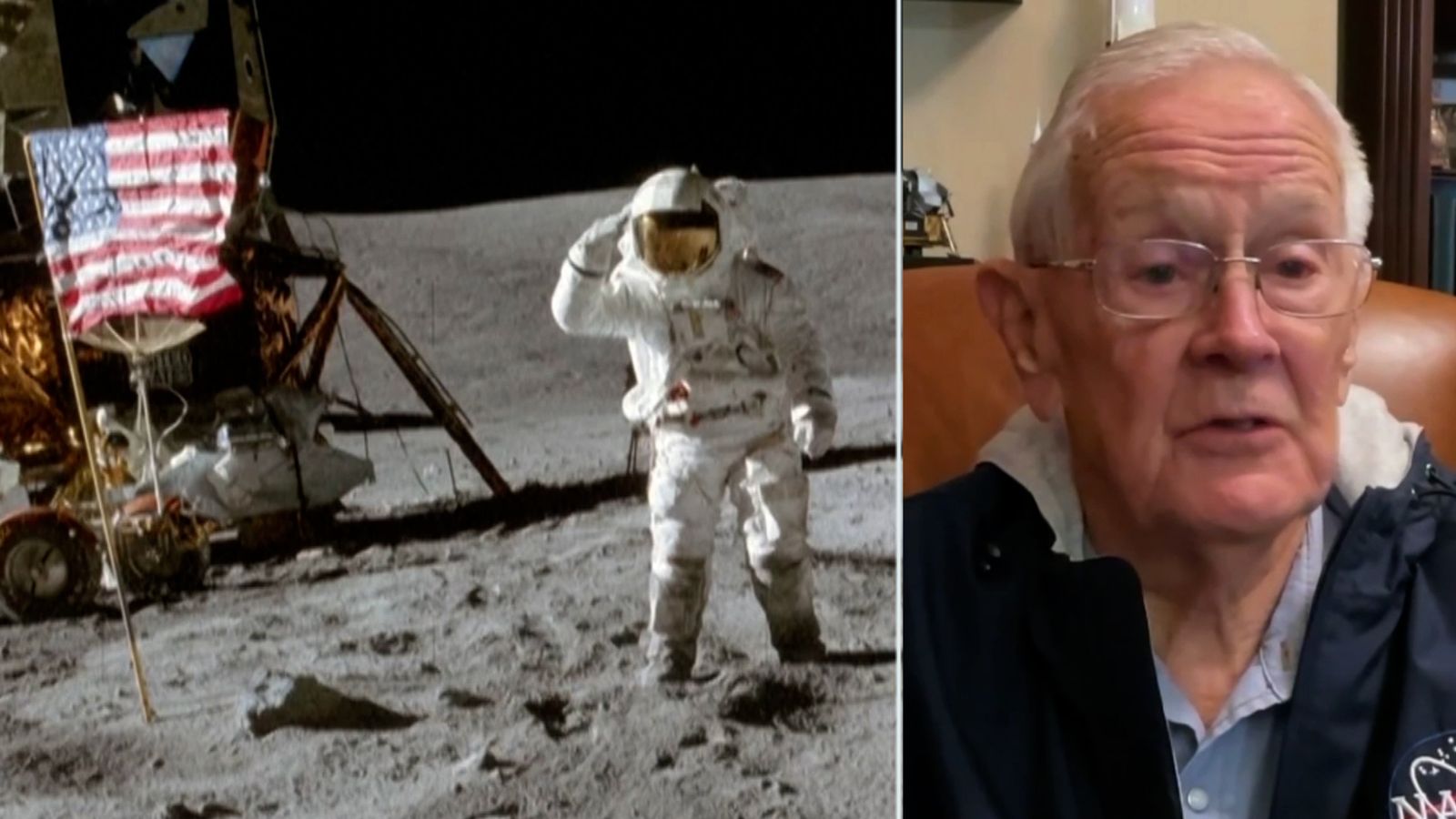
Charles Duke served as the Lunar Module Pilot for NASA’s Apollo 16 mission in 1972. At just 36 years old, he became one of the youngest astronauts ever to walk on the Moon. Alongside commander John Young, Duke spent nearly three days exploring the lunar surface, collecting rock samples, conducting scientific experiments, and helping expand humanity’s understanding of Earth’s closest celestial neighbor. Apollo 16 would become one of the final missions of NASA’s legendary Apollo program before the Moon landings suddenly came to an end.
For decades, conspiracy theories have circulated online suggesting that hidden discoveries, alien encounters, or secret dangers forced NASA to abandon the Moon. But according to Duke and many other Apollo astronauts, the real explanation was much simpler: money, politics, and shifting national priorities. After the United States successfully defeated the Soviet Union in the Space Race by landing astronauts on the Moon in 1969, public interest gradually began to decline. The Apollo missions had already achieved their main political objective, and the enormous costs of continuing lunar exploration became increasingly difficult to justify.
At its peak, the Apollo program consumed a massive portion of NASA’s budget. Maintaining the rockets, spacecraft, training programs, and support systems required billions of dollars every year. As the Vietnam War intensified and domestic economic pressures increased during the 1970s, the U.S. government began redirecting funding toward other priorities. Several future Apollo missions were canceled before they ever launched, despite astronauts already training for them. NASA eventually shifted its focus toward developing the Space Shuttle program and long-term space station projects closer to Earth.
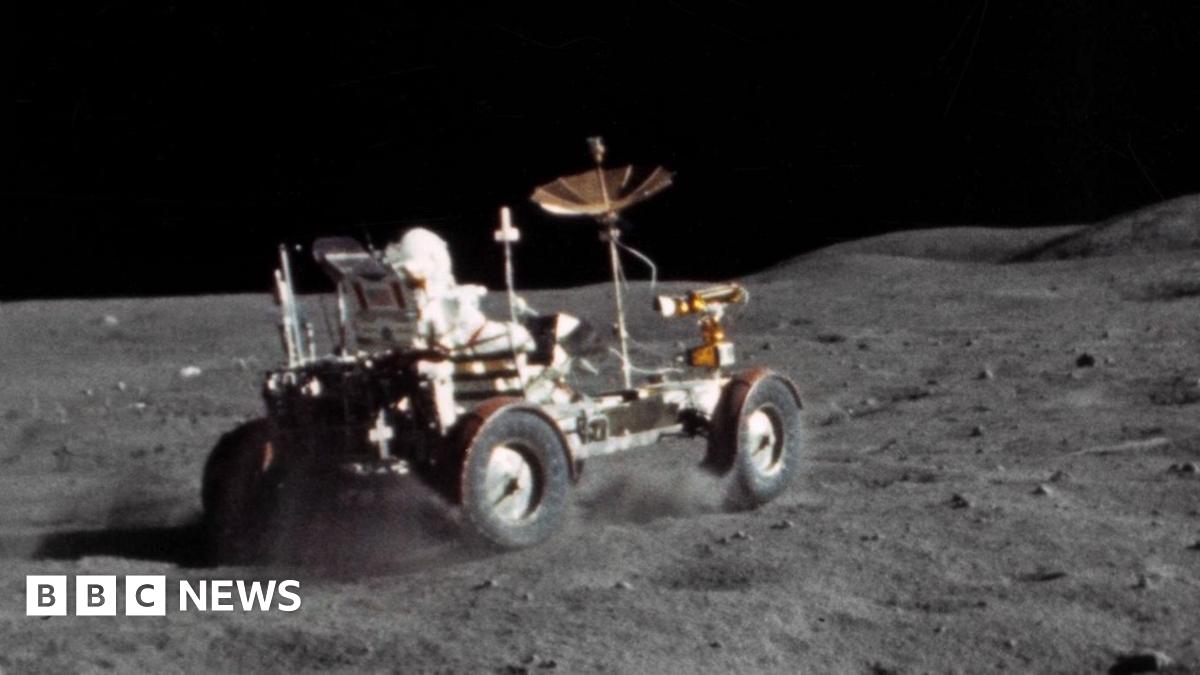
Charles Duke has repeatedly expressed disappointment that humans did not continue exploring the Moon after Apollo. In interviews over the years, he has said he believes the United States should have built permanent lunar bases and continued deep-space exploration much sooner. Duke also remains optimistic about the future, especially with NASA’s Artemis program aiming to return astronauts to the Moon for the first time since Apollo 17 in 1972. Unlike the short-term Apollo missions, future lunar plans are expected to focus on sustainability, scientific research, and preparation for eventual missions to Mars.
Today, interest in the Moon is stronger than it has been in decades. Governments and private space companies around the world are investing heavily in new lunar missions, advanced spacecraft, and future Moon habitats. For Charles Duke, the dream of returning to the lunar surface never disappeared — it was simply delayed by history, politics, and economics. And as humanity prepares for a new era of space exploration, the words of the Apollo astronauts serve as a reminder that the Moon was never abandoned because of fear or hidden secrets, but because the world chose to look elsewhere for a time.