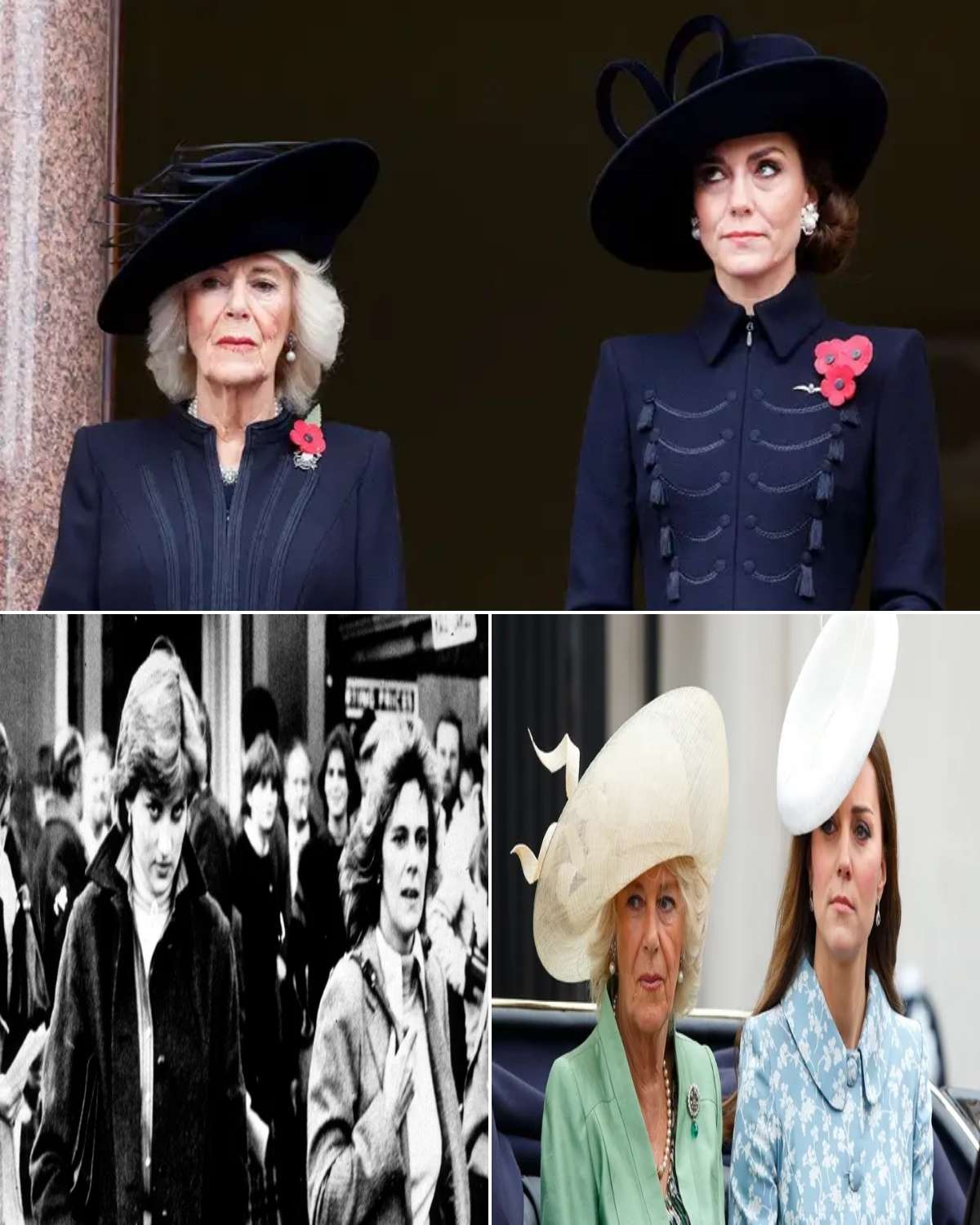
Queen Camilla reportedly once viewed Kate Middleton as ‘too common’ to marry a future king, author claims
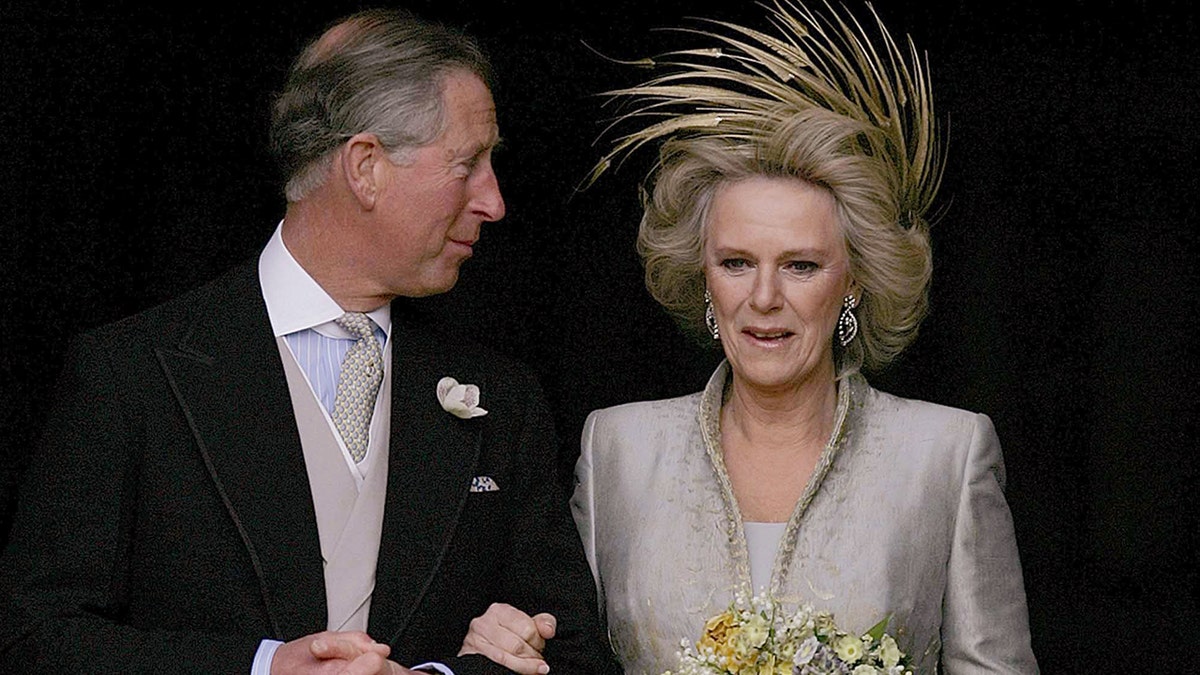
Queen Camilla allegedly had early reservations about Kate Middleton’s suitability for royal life, according to author Christopher Andersen, whose new book “Kate!” examines the Princess of Wales’ journey into the British royal family. The claims are based on Andersen’s reporting and unnamed sources and have not been independently verified by Buckingham Palace or Kensington Palace.
Andersen told Fox News Digital that in the early stages of Kate’s relationship with Prince William, Camilla was among her most vocal skeptics.
He claimed Camilla believed Kate’s “working-class roots” and lack of aristocratic background made her an unsuitable match for a future king.
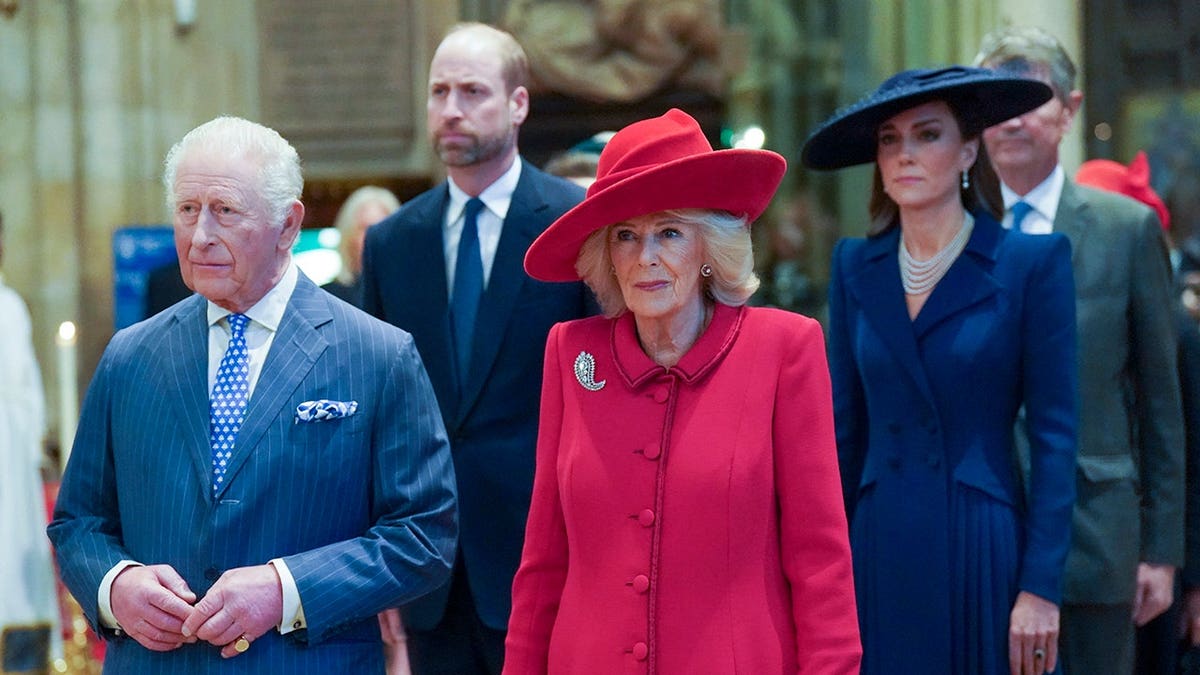
According to Andersen, Camilla felt strongly about royal tradition and class structure, arguing that senior royals should marry into aristocratic or noble families.
The author further alleged that Camilla saw herself as someone deeply embedded in royal lineage and social circles, unlike Kate, who came from a middle-class background before meeting William at the University of St Andrews.
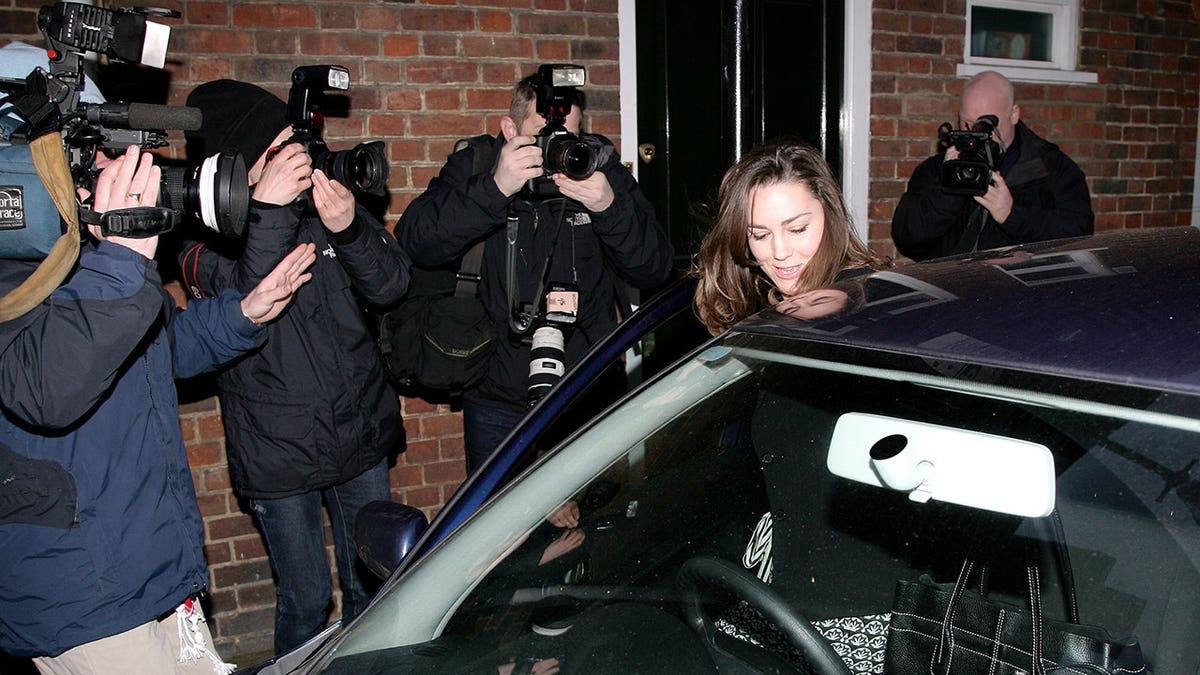
Kate, daughter of a former airline pilot and a businesswoman who later built a successful party supplies company, met Prince William in 2001 and went on to become one of the most prominent figures in the modern monarchy after their marriage in 2011.
Andersen said that despite early criticism and public scrutiny—including years of intense media attention during their relationship—Kate ultimately gained widespread popularity and acceptance within royal life.
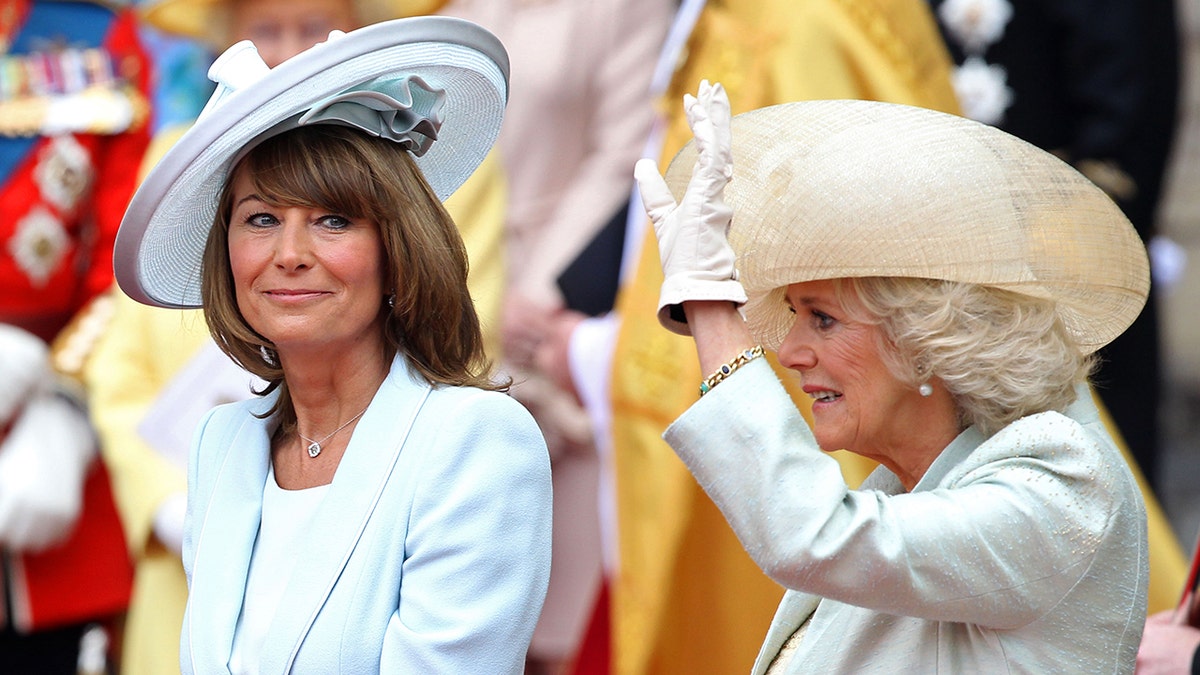
He also claimed that internal palace dynamics reflected broader tensions around class, tradition, and the evolving public image of the monarchy.
Buckingham Palace has not commented on the claims, while Kensington Palace has also not responded.
The author suggested that Camilla’s initial skepticism softened over time, particularly as Kate became a central figure in supporting Prince William and strengthening the monarchy’s public image.
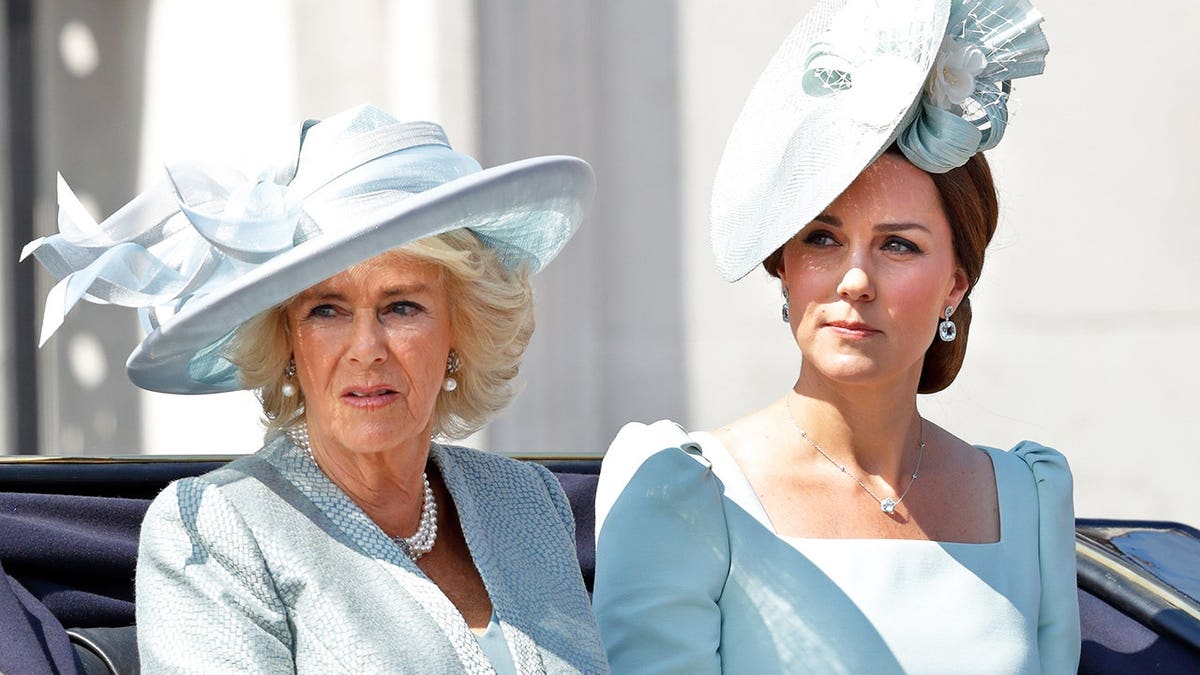
Following health challenges within the royal family in 2024, Andersen claimed relationships among senior royals became more collaborative, with Kate playing a supportive role during difficult periods.
However, he also suggested that underlying rivalries and institutional competition within the royal household still exist, as different royal factions continue to vie for public attention and influence.
Andersen’s account portrays a monarchy shaped not only by tradition, but also by internal dynamics, shifting alliances, and evolving public perception.