For centuries, believers and historians have wondered the same mysterious question: what did Jesus truly look like? Now, viral discussions surrounding an alleged ancient letter connected to the wife of Pontius Pilate are reigniting fascination across the internet after claims surfaced that the document contains a remarkably detailed description of Jesus’ appearance during the final days before the crucifixion.

According to the legend surrounding the text, the letter was supposedly written by Claudia Procula — the woman traditionally believed to be Pilate’s wife — who briefly appears in the Bible after warning her husband to avoid condemning Jesus because of troubling dreams she experienced. Over the centuries, various apocryphal writings and religious traditions expanded her story, transforming her into one of the most mysterious figures connected to the crucifixion narrative.
The controversial document circulating online allegedly describes Jesus as possessing a calm but powerful presence, with flowing hair, piercing eyes, and an expression that seemed both compassionate and deeply sorrowful. Supporters of the story claim the description feels unusually vivid and emotional compared to many later artistic depictions of Christ. Some internet users have even called the alleged letter one of the closest surviving eyewitness-style accounts of Jesus’ physical appearance.

However, historians strongly caution that no verified ancient document officially recognized by mainstream scholars confirms such a detailed firsthand description from Pilate’s wife actually exists. Many writings connected to early Christianity, especially those involving famous biblical figures, were created centuries later and often blended faith, legend, and symbolism together. Experts believe several versions of these “letters” likely originated during the medieval period rather than during the time of ancient Rome itself.
Even so, the fascination surrounding the story continues growing because it touches one of history’s most enduring mysteries. Unlike many major historical figures, no universally accepted physical description of Jesus survives from his lifetime. This absence has fueled centuries of speculation, artwork, religious imagination, and modern viral theories attempting to reconstruct how he may have appeared to those who encountered him face-to-face.
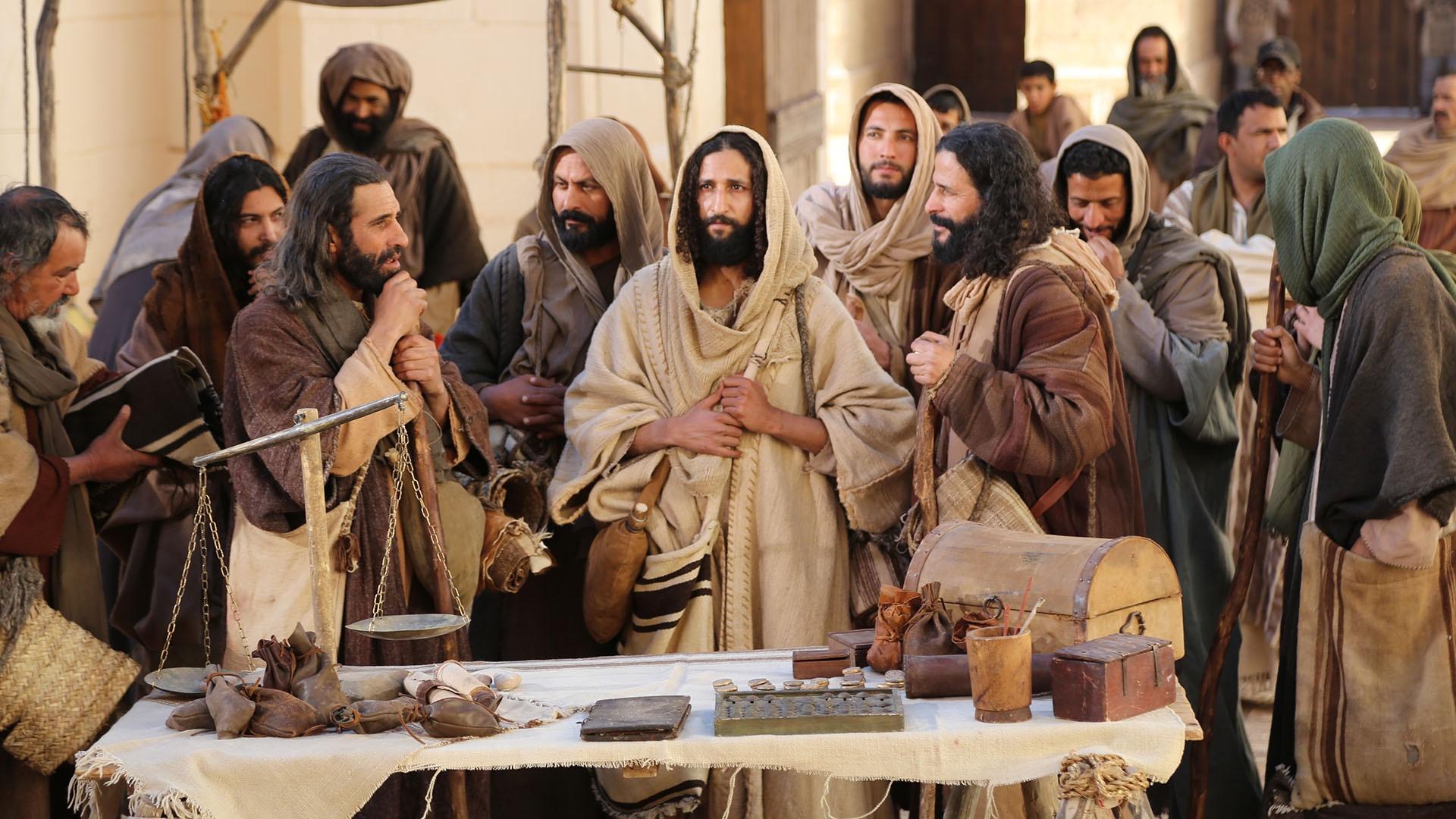
For many believers, the emotional power of the story matters more than whether the letter can be historically authenticated. The idea that someone close to the Roman governor who oversaw the crucifixion may have been personally moved by Jesus adds another layer of mystery and humanity to one of the most significant events in religious history. Others see the viral claims as another example of how ancient legends continue evolving in the age of social media.
Whether authentic ancient testimony or later religious folklore, the alleged letter from Pilate’s wife has once again sparked worldwide curiosity about Jesus, the crucifixion, and the hidden stories that may still surround the most influential figure in human history. And as discussions continue spreading online, millions remain captivated by the possibility that history may still hold forgotten glimpses of the face that changed the world forever.