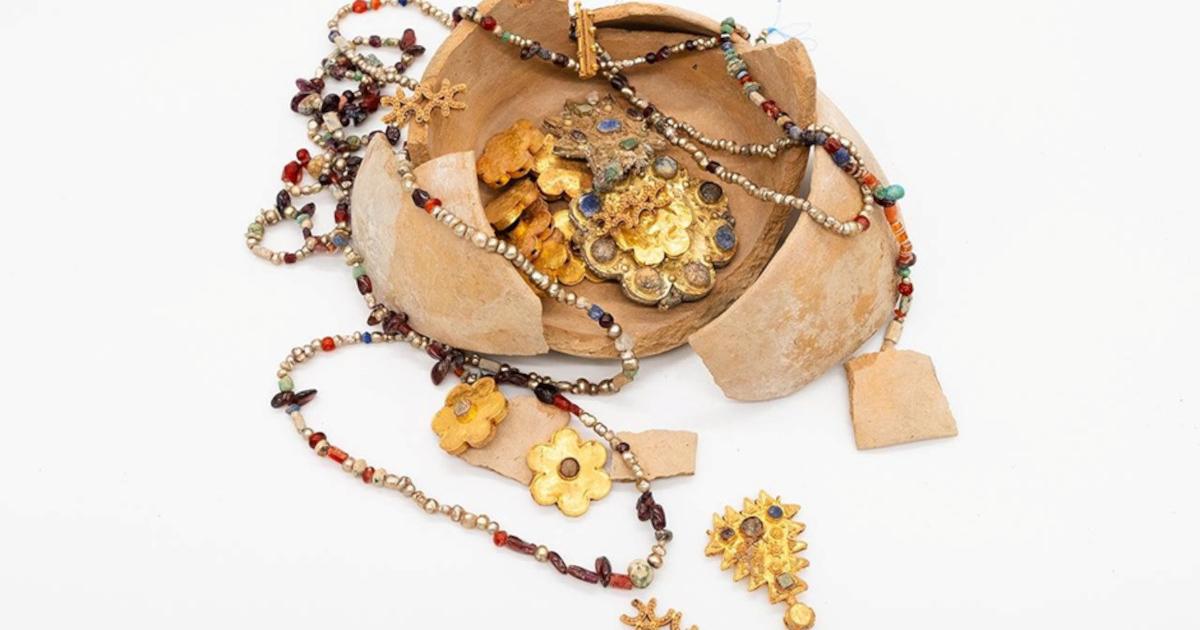
 Archaeologists in Saudi Arabia have uncovered a spectacular collection of more than 100 gold jewelry pieces dating back over 1,100 years, offering a rare glimpse into the wealth, artistry, and global connections of the Islamic Golden Age.
The discovery was made at Dariyah archaeological site during the latest excavation season led by the Saudi Heritage Commission.
Researchers say the treasure likely formed part of a complete luxury adornment set from the Abbasid era, one of the most influential periods in Islamic history.
A Stunning Gold Hoard From the Islamic Golden Age
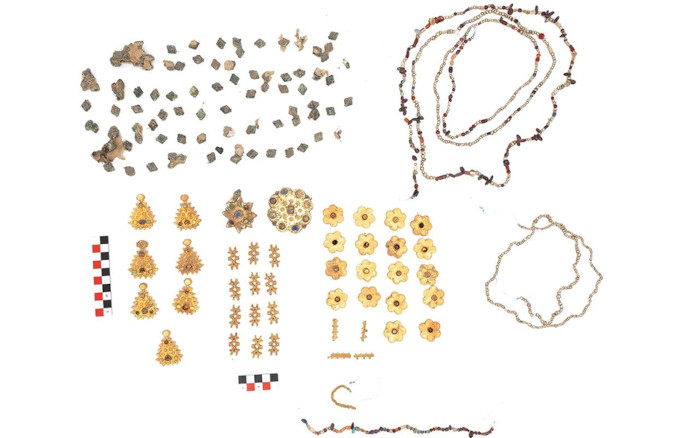
The collection includes:
- Gold pendants
- Decorative discs
- Multi-colored beads
- Fine gold spacers
- Stone-inlaid ornaments
Among the most remarkable objects is a large circular ornament decorated with carefully arranged colored stones surrounding a central motif.
Experts believe the pieces were originally assembled into necklaces or ceremonial jewelry worn by members of elite society.
The artifacts date to the Abbasid Caliphate, a period known for major advances in science, trade, art, and craftsmanship across the Islamic world.
 Advanced Ancient Goldsmithing Techniques
According to archaeologists, the jewelry demonstrates highly sophisticated metalworking skills.
Ancient artisans used techniques including:
- Hand-hammered gold sheets
- Decorative embossing
- Precision stone inlay
- Detailed geometric and floral designs
Researchers say the craftsmanship reflects the extraordinary artistic standards achieved during the Islamic Golden Age, when luxury goods moved across vast trade networks linking the Middle East, Africa, Asia, and Europe.
The colored stones embedded in several pieces may have originated from distant regions, further highlighting the international trade connections of the era.
 Dariyah: A Historic Crossroads for Trade and Pilgrimage
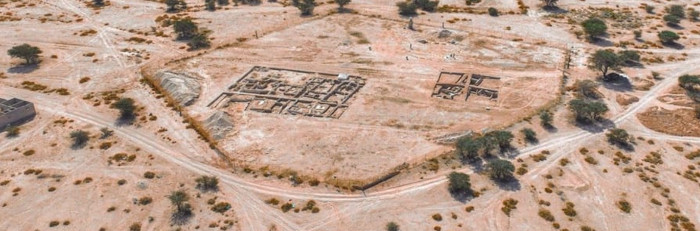
The Dariyah site lies southwest of Al-Qassim in a landscape surrounded by mountains and valleys.
Historically, it served as an important stop along the Basran Hajj route — one of the major pilgrimage roads used by travelers journeying from Iraq toward Mecca.
Because of its strategic location, the region became a center of commerce and cultural exchange for centuries.
Excavations also uncovered:
- Stone building foundations
- Mudbrick walls
- Plastered rooms
- Fire hearths
- Pottery fragments
- Glass objects
- Soapstone artifacts
- Metal tools
Together, the discoveries paint a vivid picture of daily life in an active settlement during the late 9th century AD.
Preserving Saudi Arabia’s Ancient Heritage
Officials say the discovery highlights the deep historical significance of the Arabian Peninsula and its role in connecting civilizations across the ancient world.
Jasir Suliman Alherbish stated that the discovery reflects Saudi Arabia’s rich cultural heritage and longstanding position as a crossroads of trade and cultural interaction.
The excavation forms part of broader archaeological preservation efforts connected to Saudi Arabia’s Vision 2030 cultural initiatives, which aim to document and protect historical sites throughout the Kingdom.
Researchers believe continued work at Dariyah could reveal even more information about trade, craftsmanship, and social life during one of the most influential eras in Islamic history.