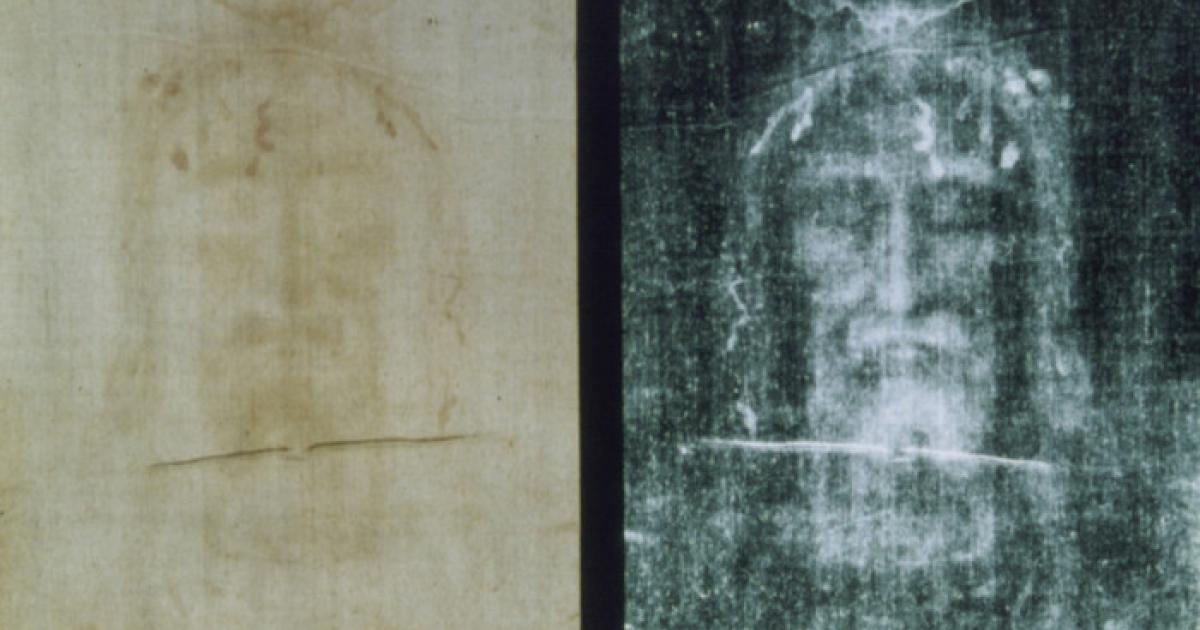
 A newly released DNA analysis of the Shroud of Turin is drawing global attention after researchers reported that a significant portion of the genetic material found on the famous cloth appears linked to Indian ancestry.
The controversial findings, published in a 2026 preprint study led by researchers at the University of Padova in Italy, suggest the centuries-old relic may have had connections to ancient trade routes reaching as far as the Indian subcontinent.
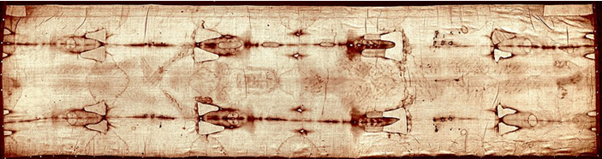
The Shroud of Turin — a linen cloth bearing the faint image of a crucified man — has long been one of the world’s most debated religious artifacts. While many believers consider it the burial cloth of Jesus of Nazareth, others argue it originated during the medieval period.
Now, the latest genetic analysis is adding another unexpected chapter to the mystery.
Scientists Analyzed Dust Collected From the Shroud
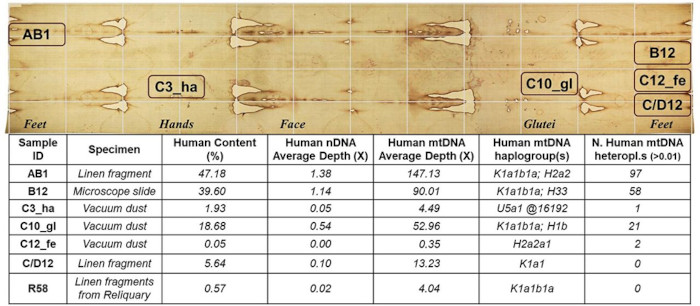
The research team studied microscopic dust particles that had been vacuumed from the shroud during the famous 1978 Shroud of Turin Research Project (STURP).
Using modern metagenomic sequencing techniques, scientists examined traces of human, plant, and animal DNA preserved within the material. Their analysis revealed a surprisingly diverse mixture of genetic signatures from multiple regions around the world.
Among the most striking discoveries was the finding that nearly 40% of the identifiable human mitochondrial DNA appeared connected to genetic lineages associated with the Indian subcontinent.
Could the Cloth Have Links to Ancient India?
Researchers proposed several possible explanations for the Indian DNA traces.
One theory suggests the linen itself may have originated in India, where fine textiles were widely produced and traded during ancient times. Historical records show that Roman merchants imported luxury fabrics from regions connected to the Indus Valley through long-established trade networks.
Some historians have also pointed to the word “Sindon,” an early name associated with the shroud, which may have linguistic connections to Sindh, a historic region in present-day Pakistan and India known for textile production.
Another possibility is that the cloth accumulated DNA from people of Indian origin who handled or came into contact with it over many centuries.
The researchers emphasized that the artifact has likely been touched by countless individuals throughout its history, making it extremely difficult to determine which DNA traces are ancient and which resulted from later contamination.
 The Shroud Also Contained DNA From Animals and Plants
Beyond human DNA, the study uncovered traces from numerous plants and animals.
Scientists identified genetic material linked to dogs, cats, cattle, pigs, chickens, deer, rabbits, and even marine species such as Atlantic cod. Plant DNA from wheat, potatoes, carrots, and other crops was also detected.
The presence of potatoes — which only arrived in Europe after the voyages of Christopher Columbus — suggests the shroud continued accumulating environmental contamination long after its first known appearance in medieval Europe.
Researchers described the relic as an “environmental time capsule” carrying biological traces from centuries of handling, storage, and public display.
Debate Over the Shroud’s Authenticity Continues
The findings are unlikely to settle the centuries-long debate surrounding the Shroud of Turin.
Radiocarbon dating tests conducted in 1988 famously concluded that the cloth dated back to between 1260 and 1390 AD, leading many experts to argue it was created during the medieval era.
Some scholars continue to support those conclusions, while others believe contamination and restoration work may have affected the earlier dating results.
The Catholic Church has never officially declared the shroud authentic or fraudulent, instead allowing ongoing scientific investigation into the artifact.
For researchers, the latest DNA study does not prove the shroud originated in India or belonged to Jesus. However, it does suggest the cloth may have traveled through a far broader network of cultures and people than previously understood.
And as each new scientific study uncovers more unexpected details, the mystery surrounding the Shroud of Turin only seems to deepen.
Read more to explore why this new DNA discovery is reigniting one of history’s most fascinating debates.