 Christopher Young, a Texas death row inmate convicted of the 2004 murder of a convenience store manager during a robbery in San Antonio, was executed by lethal injection on July 17, 2018, at the Huntsville Unit in Texas after years of legal appeals and growing public debate surrounding his rehabilitation claims while incarcerated. Young, who was 34 years old at the time of his execution, had been sentenced to death for the fatal shooting of 62-year-old Hasmukh Patel during a robbery at a convenience store, a crime prosecutors described as deliberate and violent. Court records showed that Young entered the store armed with a handgun before shooting Patel, who later died from his injuries, while surveillance footage and witness testimony became central evidence during the trial that ultimately led to his conviction and death sentence.
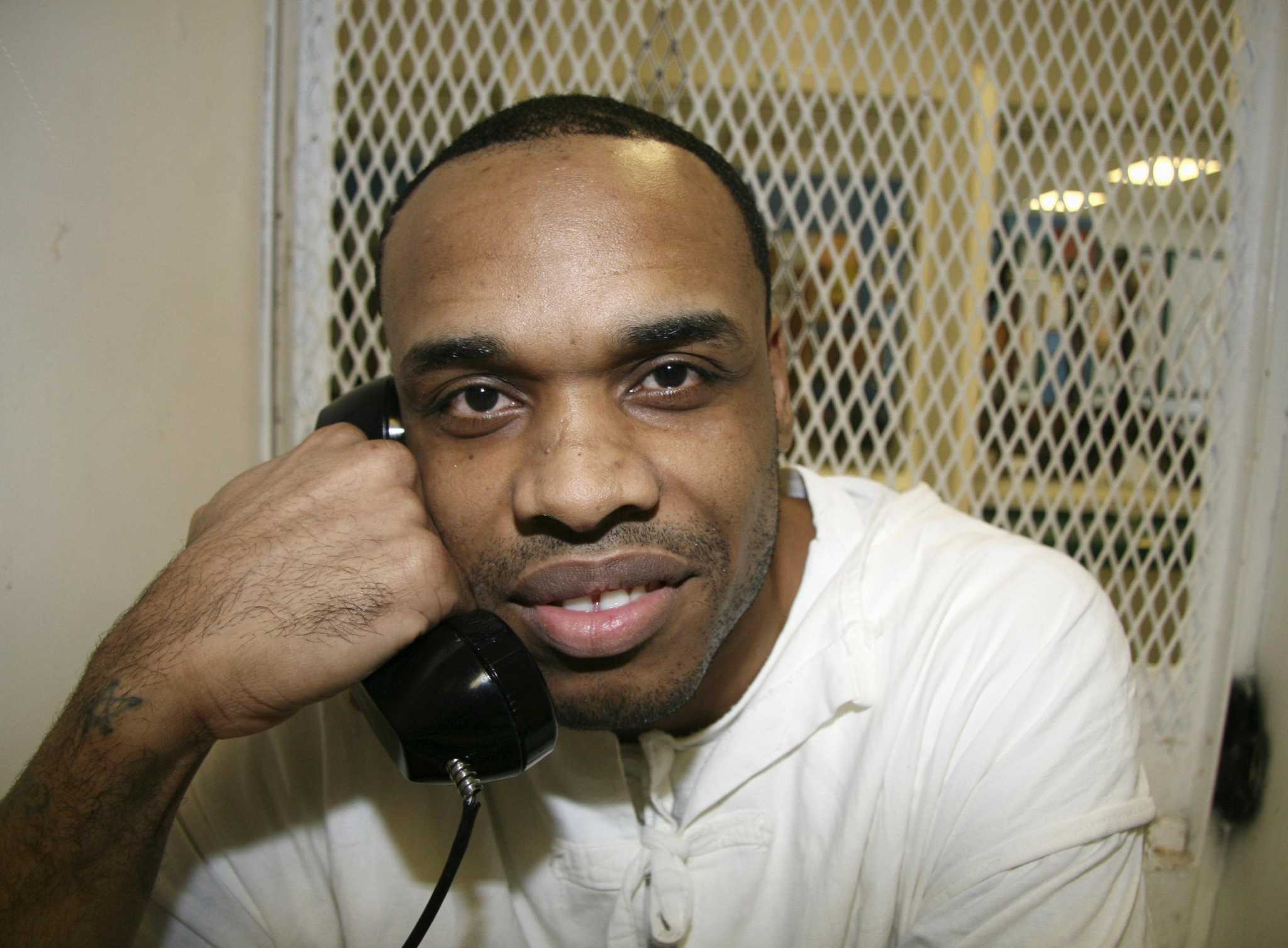 In the years leading up to his execution, Young’s case gained national attention because of arguments from supporters, prison officials, and even a former Texas prison warden who claimed Young had transformed himself during his time on death row. Several advocates pointed to his mentorship of younger inmates, religious faith, artistic work, and efforts to counsel prisoners against violence as evidence of rehabilitation, while prosecutors and the victim’s family argued that the severity of the murder justified the sentence imposed by the court. Despite multiple appeals and requests for clemency, Texas officials moved forward with the execution after courts rejected final attempts to halt the procedure.
On the day of his execution, Christopher Young declined the traditional last meal request, a decision confirmed by Texas prison officials. Witnesses reported that before the lethal injection process began, Young addressed the victim’s family directly, apologizing for the pain caused by his actions and expressing remorse for the murder. His final words included statements about forgiveness, redemption, and accountability, and he also thanked supporters who had advocated on his behalf during his years on death row. Young was pronounced dead at 6:37 p.m. local time after the lethal injection was administered.

The execution reignited debate across the United States over capital punishment, rehabilitation, and whether inmates who demonstrate significant personal change while incarcerated should still face execution decades after their crimes. While supporters viewed Young’s transformation as evidence that redemption was possible even on death row, critics argued that the brutality of the crime and the loss suffered by the victim’s family could never be undone. The case remains one of the most widely discussed Texas executions in recent years because it highlighted the ongoing national conflict between punishment, justice, mercy, and rehabilitation within the American death penalty system.


