The 2004 film The Passion of the Christ — directed by Mel Gibson and based on the four canonical Gospels — depicts the final hours of Jesus’ life with an intensity that goes beyond graphic drama to include layers of symbolic meaning tied to Christian tradition and theology.
One symbol often discussed is Jesus trampling the serpent’s head, which appears early in the film and draws on biblical imagery from Genesis 3:15. This visual allusion represents Jesus’ victory over sin and evil — a theme central to Christian understanding of the Passion. Many early Christian interpreters saw this scene as a fulfillment of the ancient promise that the Messiah would defeat the power of Satan.
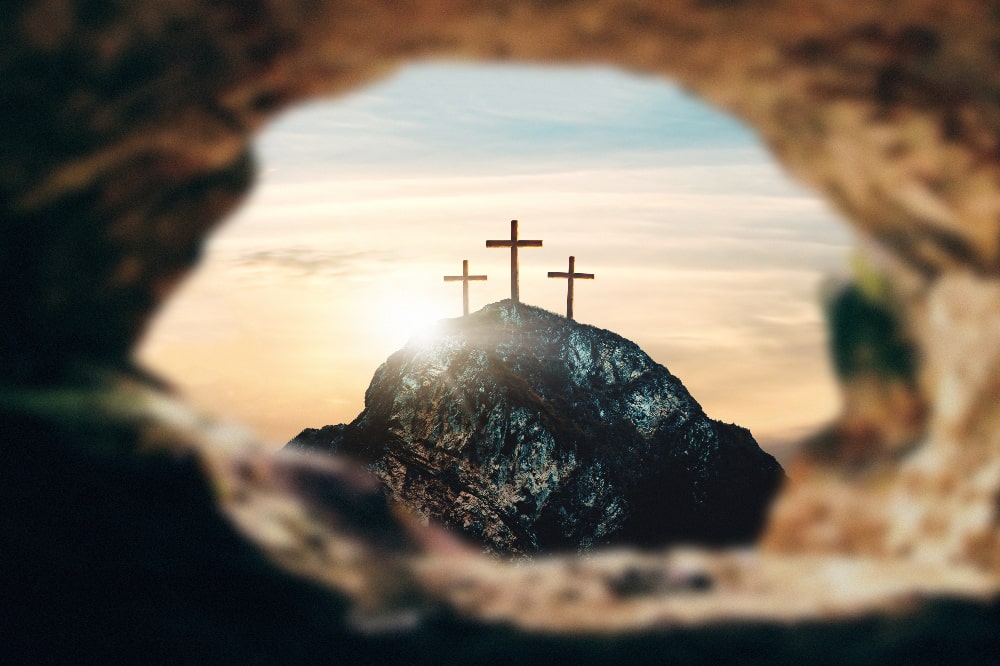
Another powerful motif is the nailing and cross itself, which traditional theology calls the Cross of Suffering. The Latin word passio means suffering or enduring, and the cross in both the film and Christian art symbolizes not only physical torment but also Christ’s willing offering of Himself for humanity’s redemption. The physical depiction invites viewers to confront the cost of that self‑sacrifice.
The film also incorporates the presence of Satan in surreal visions, particularly at the Garden of Gethsemane. While the canonical Gospels do not describe Satan physically appearing during the Passion, the inclusion underscores the Christian theological idea of spiritual conflict — that Jesus faced not only human opposition but cosmic resistance as part of His mission to overcome sin.
The figure of Mary, the Mother of Jesus, is another rich symbol. Though the Gospels mention her only briefly at the crucifixion, the film portrays her steadfast presence throughout the Passion. This emphasis reflects longstanding Christian devotion to Mary’s co‑suffering, reminding audiences that compassion and faithful witness are integral to understanding Christ’s redemptive work.

Finally, the film’s use of ancient languages — Aramaic, Latin, and Hebrew — serves as a symbolic bridge to the historical world of Jesus and his followers. Rather than using modern dialogue, this choice enhances immersion in the setting and underscores the cultural and religious context of the events, helping viewers appreciate the rootedness of the Passion narrative in first‑century Judea.
Understanding these symbols shows how The Passion of the Christ weaves traditional theological themes into its storytelling. The film’s visual and narrative choices aim to convey not just the sequence of events, but the spiritual dimensions of Jesus’ suffering, sacrifice, and love, grounded in centuries of Christian reflection and devotional practice.