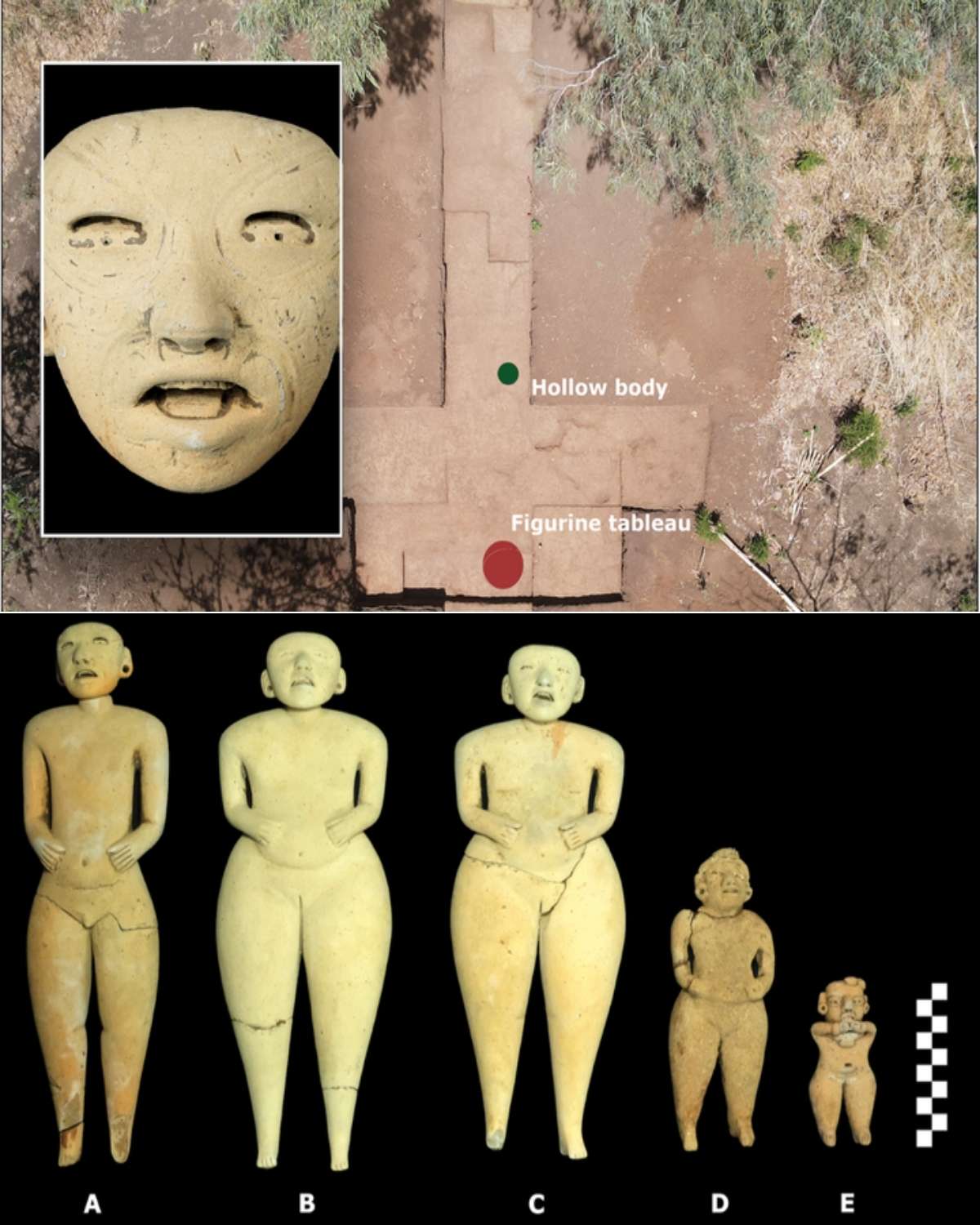
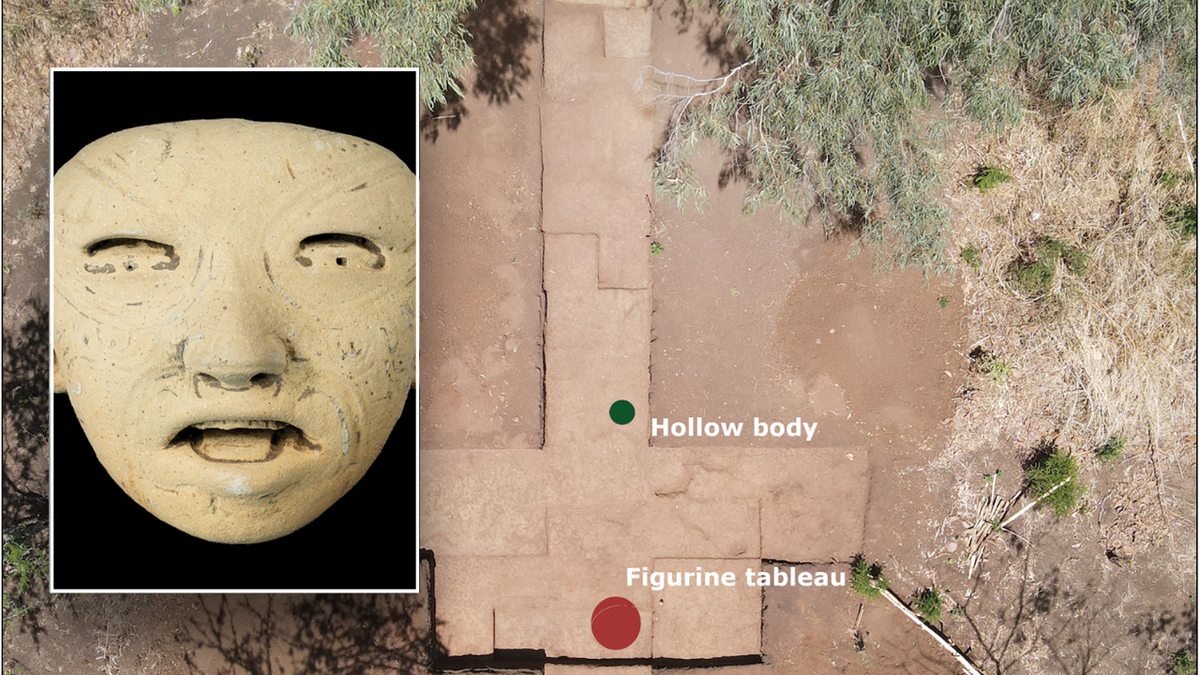
The artifacts were discovered during excavations at the San Isidro archaeological site, where researchers uncovered five clay figurines placed near the summit of a pyramid. According to a study published in March, the figures date to approximately 410–380 B.C., placing them within the Preclassic period of Mesoamerican history.
At first glance, the figurines appear strikingly human. Yet their exaggerated open mouths, expressive faces, and unusual construction immediately caught the attention of archaeologists. Some researchers have even described the figures as unsettling because of the lifelike quality of their expressions.
The largest figurines measure nearly a foot in height and were sculpted without clothing, jewelry, or hair. In contrast, the smaller figures display carefully modeled hairstyles and decorative earspools, suggesting distinctions in status, age, identity, or symbolic roles. This variation may indicate that the figurines represented different characters within a larger narrative or ceremonial performance.
What truly sets these artifacts apart, however, is their sophisticated design.

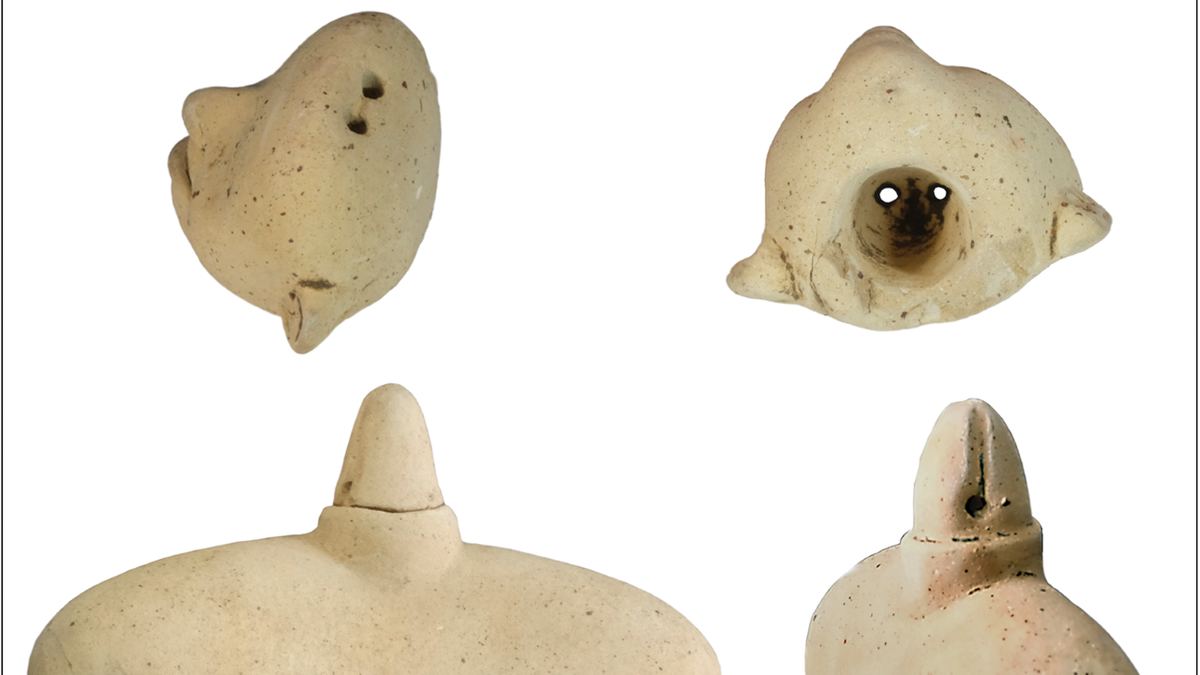
Researchers identified a series of drilled holes and movable components that strongly suggest the figurines functioned as puppets. The three largest examples feature articulated heads connected to their bodies through carefully engineered sockets and neck protrusions. Strings could be threaded through small openings in the neck and head, allowing the puppeteer to adjust the position of the figure’s head and create movement.
The design demonstrates a surprisingly advanced understanding of mechanical manipulation for such an early period. Rather than static sculptures, these objects appear to have been intended for performance.
According to the study, the figurines may have functioned as marionettes used to reenact stories, rituals, myths, or ceremonial events. Their movable heads would have allowed ancient performers to create expressive gestures and interactions, transforming simple clay figures into dynamic participants in public or sacred performances.
For archaeologists, this possibility opens an intriguing window into a largely invisible aspect of ancient life.
While monumental architecture, pottery, and tools often survive in the archaeological record, performances, ceremonies, and storytelling traditions usually disappear without a trace. These figurines may represent rare physical evidence of how ancient communities communicated ideas, transmitted beliefs, and staged ritual events more than two millennia ago.
University of Warsaw archaeologist Jan Szymański, one of the researchers involved in the project, noted that the figurines possess an unusually vivid presence when viewed in person.
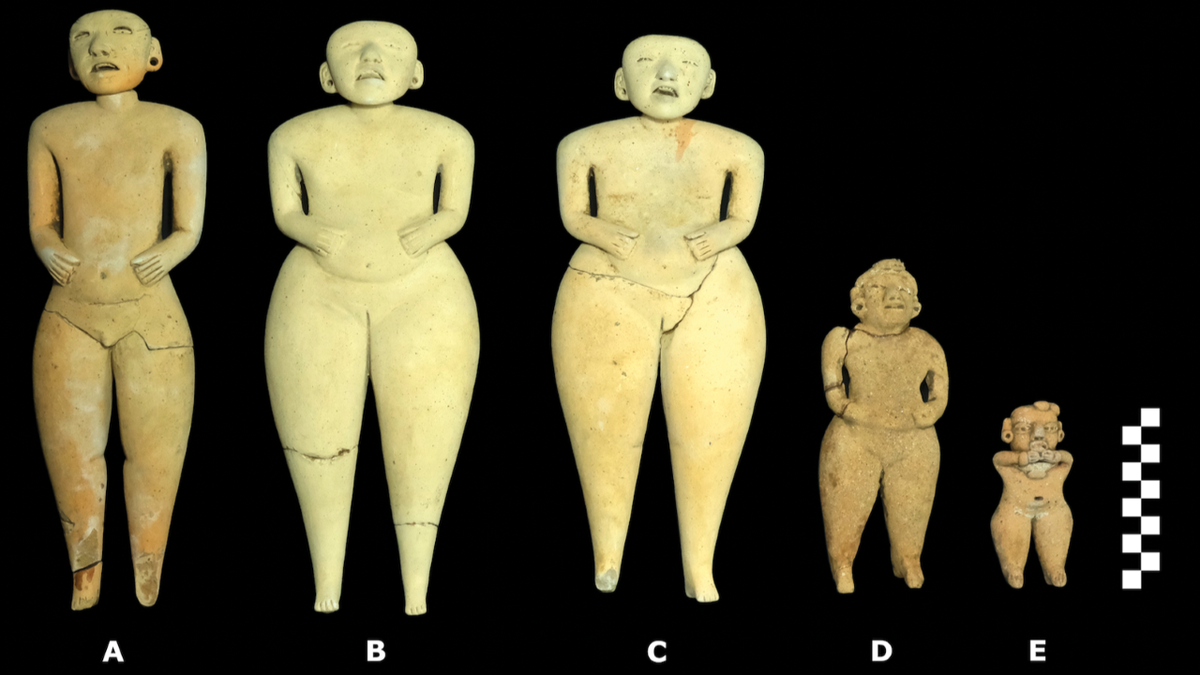
He described them as “clay actors,” explaining that their expressions can appear almost alive depending on the angle from which they are viewed. The effect is so convincing that the figures seem capable of movement, creating an uncanny impression that has fascinated both researchers and the public.
Beyond their appearance, the location of the discovery may be equally important.
The figurines were not found in an ordinary domestic context but at the top of a pyramid, one of the most symbolically significant locations within the ancient settlement. Their placement suggests they may have held special ritual or ceremonial value.
Researchers believe the puppets may have participated in various performances before being deliberately deposited as sacred objects. Rather than being discarded, they appear to have been carefully placed in a context that implies respect and importance.
This raises a larger question: who were the “puppeteers”?
The study emphasizes that the relationship between the individuals controlling the figures and the audiences watching them remains one of the most intriguing mysteries surrounding the discovery. Were these performances religious ceremonies? Political spectacles? Educational narratives? Dramatic reenactments of myths and legends?
At present, archaeologists cannot say with certainty.
What they do know is that the discovery challenges traditional assumptions about early Mesoamerican societies. The figurines reveal evidence of complex symbolic behavior, artistic sophistication, and possibly theatrical traditions that are rarely preserved in the archaeological record.
The find also highlights the growing importance of El Salvador in understanding ancient Mesoamerican civilization. For decades, archaeological research in the region was overshadowed by better-known sites in Mexico, Guatemala, and Honduras. Discoveries such as the San Isidro puppets are now demonstrating that communities in present-day El Salvador played a far more significant role in the cultural development of ancient Mesoamerica than previously understood.
As excavations at San Isidro continue, researchers hope additional discoveries may provide clues about the rituals, performances, and beliefs associated with these extraordinary figurines. Every new artifact has the potential to reveal more about the people who created them and the audiences who once watched these ancient “clay actors” come to life atop a pyramid nearly 2,400 years ago.
For now, the puppets remain one of the most unusual archaeological discoveries of recent years—a haunting reminder that long before written histories were recorded, stories may have already been unfolding through the movements of carefully crafted figures animated by unseen hands.