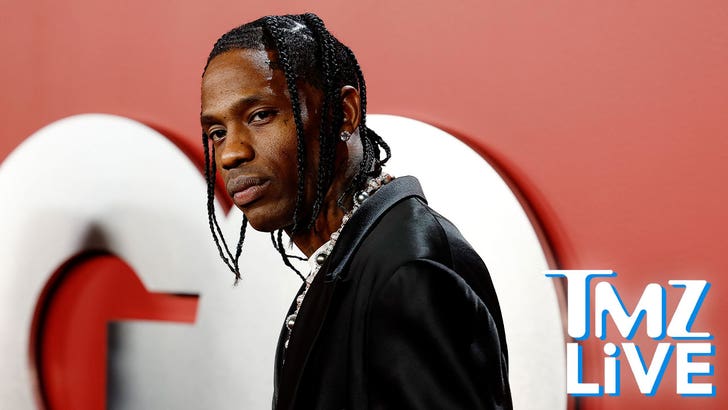
Texas — Rap music and the justice system are colliding as Travis Scott and more than 30 other artists and scholars filed a brief with the U.S. Supreme Court opposing the use of rap lyrics in a capital murder case.
The filing supports James Broadnax, 37, whose execution is scheduled for April 30, 2026, in Huntsville, Texas. Broadnax was sentenced to death for the 2009 killings of Stephen Swan and Matthew Butler outside a Garland music studio. At the time, he was 19 years old. Prosecutors cited handwritten rap lyrics as evidence of his dangerousness during the punishment phase of the trial, presenting more than 40 pages of verses to the jury.
 Dallas appellate attorney Chad Baruch, who submitted the amicus brief, argued that using Broadnax’s artistic expression to secure a death sentence violates constitutional rights. “Rap lyrics are creative expression,” Baruch said. “When prosecutors treat them as literal evidence of future violence, they invite jurors to decide a death-penalty case based on fear and stereotypes instead of the law.”
Notable supporters include Killer Mike, Young Thug, T.I., Anthony Anderson, and Kevin Liles. The brief contends that prosecutors’ interpretation of Broadnax’s lyrics ignored the metaphorical and performative nature of rap while reinforcing racial stereotypes about Black artists.
 During the original trial, prosecutors also argued that Broadnax’s freestyle written from jail proved he was a “psychopathic killer.” Broadnax has previously challenged the admission of his lyrics as evidence and claimed racial bias in jury selection, noting the jury was nearly all-white.
The Supreme Court has not yet decided whether it will hear the case, but this filing represents a landmark moment in the national debate over artistic expression and the criminal justice system, particularly concerning the use of rap lyrics in court.