Bryan Kohberger, the former criminology graduate student convicted in the murders of four University of Idaho students, has returned to the national spotlight following the release of new investigative records and reports concerning his conditions of confinement inside Idaho’s prison system. Kohberger is currently serving four consecutive life sentences without the possibility of parole, plus an additional ten-year sentence for burglary, after pleading guilty in July 2025 to the murders of Kaylee Goncalves, Madison Mogen, Xana Kernodle, and Ethan Chapin.
The case originally shocked the nation after the four students were found stabbed to death inside an off-campus residence in Moscow, Idaho, on November 13, 2022. Investigators eventually identified Kohberger as a suspect through a combination of DNA evidence, surveillance footage, cellphone records, and other forensic evidence. One of the most significant pieces of evidence was a Ka-Bar knife sheath recovered at the crime scene that contained DNA later linked to Kohberger. Newly released investigative documents have provided the public with the first detailed photographs of that sheath and additional evidence collected during the investigation.
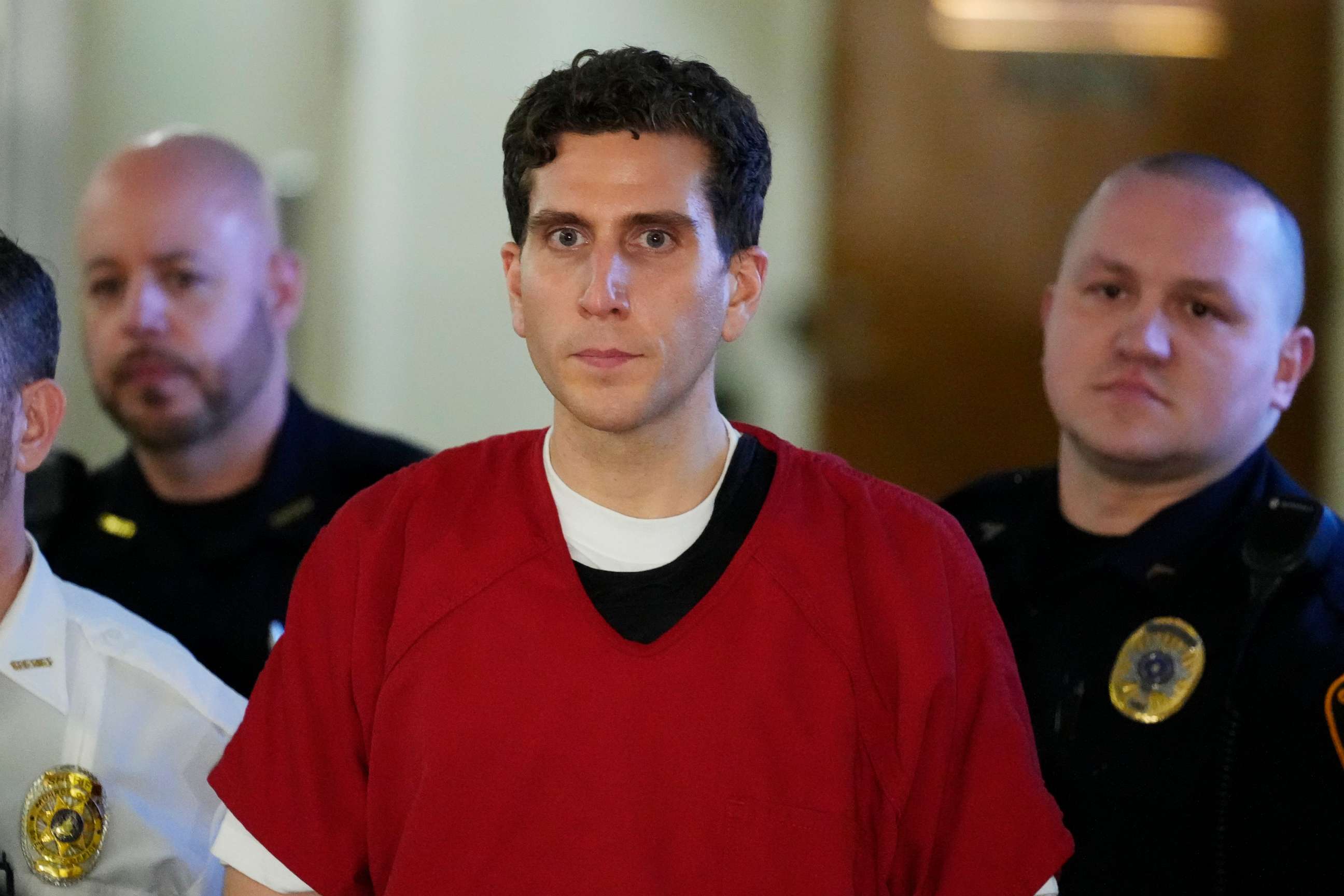 Following his sentencing, Kohberger was transferred into Idaho’s maximum-security prison system, where he has reportedly been housed under highly restrictive conditions because of the notoriety of his crimes and concerns about his safety. Court and prison records later revealed that Kohberger submitted handwritten requests seeking a transfer to a different housing unit, alleging that he had been subjected to ongoing verbal threats, harassment, and intimidation by other inmates. Correctional staff acknowledged that inappropriate comments had been directed toward him, although officials ultimately denied his request for relocation.
Additional reports have suggested that Idaho correctional authorities may have explored transferring Kohberger to another correctional facility through interstate prison agreements. However, the Idaho Department of Correction publicly stated that it was not actively considering such a transfer, despite speculation generated by law enforcement and media sources. As of the latest available information, Kohberger remains within Idaho’s prison system.
The renewed attention surrounding Kohberger has also been fueled by reports of complaints involving prison conditions, alleged inmate harassment, and even investigations into leaked footage purportedly showing him inside his prison cell. Prison officials have emphasized that security protocols remain in place and that inmate safety is continuously monitored. Meanwhile, the families of the victims continue to cope with the aftermath of one of the most widely publicized murder cases in recent American history.
 Although Kohberger’s guilty plea ended the criminal prosecution and eliminated the possibility of a death penalty trial, public interest in the case remains intense. The combination of newly released evidence, ongoing prison developments, and continued media coverage has ensured that the case remains a subject of discussion long after the sentencing hearing concluded. For many observers, the developments serve as a reminder of the lasting impact of a crime that devastated four families and left a permanent mark on the University of Idaho community.