4 July 2026
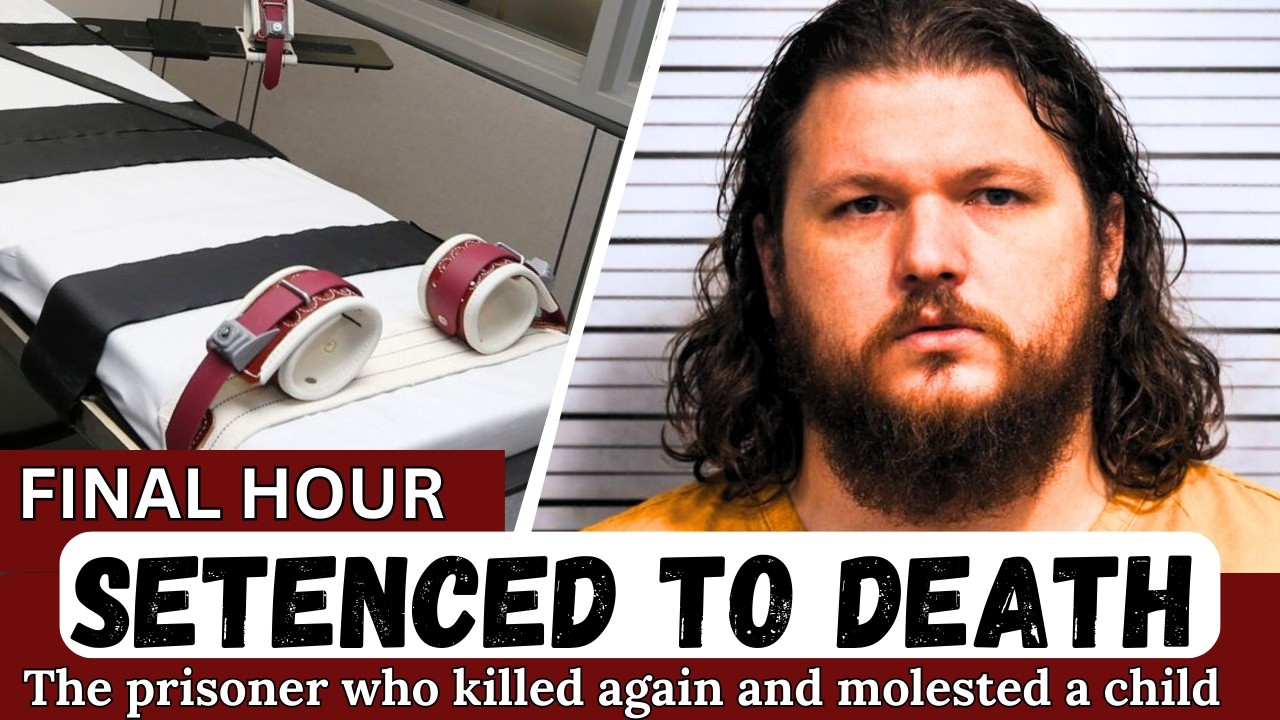
In a harrowing case that has left the community of Clay County, Florida, reeling, Donald Hugh Davidson Jr. was sentenced to death for the murder of Roseanne Welsh, a mother of two, just 72 days after his release from prison. The courtroom was stunned when Davidson, who had a long history of violent offenses, pled guilty, sparking a wave of emotions among those affected by his heinous actions. To understand the gravity of this case, we must journey back to December 1, 2014, a day that shattered the peace of the small town of Middleburg. Known for its friendly neighborhoods and safe streets, the community was forever altered when Davidson, a registered sexual predator, committed an unthinkable crime against a family he had once known. Davidson's troubled past was marked by a series of violent acts. He had been convicted of a lewd act against a child in 2004 and later attacked a pregnant woman in 2010. Despite these offenses, he was released in September 2014 under conditional supervision, wearing a GPS ankle monitor intended to keep the community safe. Just over two months later, he would commit a crime that would haunt the community for years to come. On that fateful afternoon, Davidson entered the Welsh home, welcomed by Roseanne, who had no reason to fear him. The attack began almost immediately, and despite her desperate struggle, Roseanne was overpowered. In a chilling turn of events, she was murdered just moments before her daughter returned home from school. The brutality of the crime, including strangulation and stabbing, left a profound impact on the community and the family. When Roseanne's son arrived home later that day, he found his mother lifeless on the bathroom floor, a scene that would forever change his life. The police quickly launched a manhunt, and Davidson was apprehended after abandoning Roseanne's minivan with her daughter inside. The young girl survived the ordeal but would carry the trauma of that day for the rest of her life. As the legal proceedings unfolded, Davidson's behavior in custody raised further concerns. His erratic actions included making bomb threats from jail, indicating a lack of remorse for his past. The prosecution, led by State Attorney Melissa Nelson, sought the death penalty, emphasizing the severity of Davidson's crimes and his history of violence. In a surprising turn, Davidson pled guilty just before his trial was set to begin, sparing the victim's family from reliving the traumatic details in court. This decision shifted the focus to the sentencing phase, where the prosecution presented heart-wrenching testimonies from family members and experts detailing the impact of the crime. On September 18, 2019, Judge Don Lester sentenced Davidson to death, citing the overwhelming aggravating factors of the case. Davidson showed no visible reaction to the verdict, leaving many to ponder the complexities of justice in such a tragic situation. However, the story took an unexpected twist when, on May 2, 2022, Davidson was found dead in his prison cell, reportedly from suicide. This 𝓈𝒽𝓸𝒸𝓀𝒾𝓃𝑔 development left the Welsh family grappling with mixed emotions, as they would not witness an execution or receive the closure they had anticipated. The case of Donald Davidson raises difficult questions about the justice system's ability to protect communities from repeat offenders. How many chances should a dangerous individual receive before the safety of the public takes precedence? As the Welsh family continues to heal from their unimaginable loss, the community is left wondering what could have been done differently to prevent such a tragedy.

 The Knicks are looking to continue their dominant postseason run, which has already included overcoming several tough matchups in earlier rounds. Cleveland, meanwhile, will look to leverage their home-court advantage and force New York to prove their dominance on the road.