Nearly thirty years after one of the most infamous criminal cases in modern American history, Susan Smith remains incarcerated in South Carolina following the denial of her first parole request in November 2024. Smith, who was convicted in 1995 for the murders of her two young sons, Michael and Alexander Smith, appeared before the South Carolina Department of Probation, Parole and Pardon Services seeking release after serving the minimum portion of her sentence required under state law.
The case shocked the United States in October 1994 when Smith reported that a Black man had carjacked her vehicle with her children inside. For nine days, the nation followed an intensive search as law enforcement agencies investigated the alleged abduction and media outlets broadcast emotional appeals from Smith asking for the safe return of her sons.
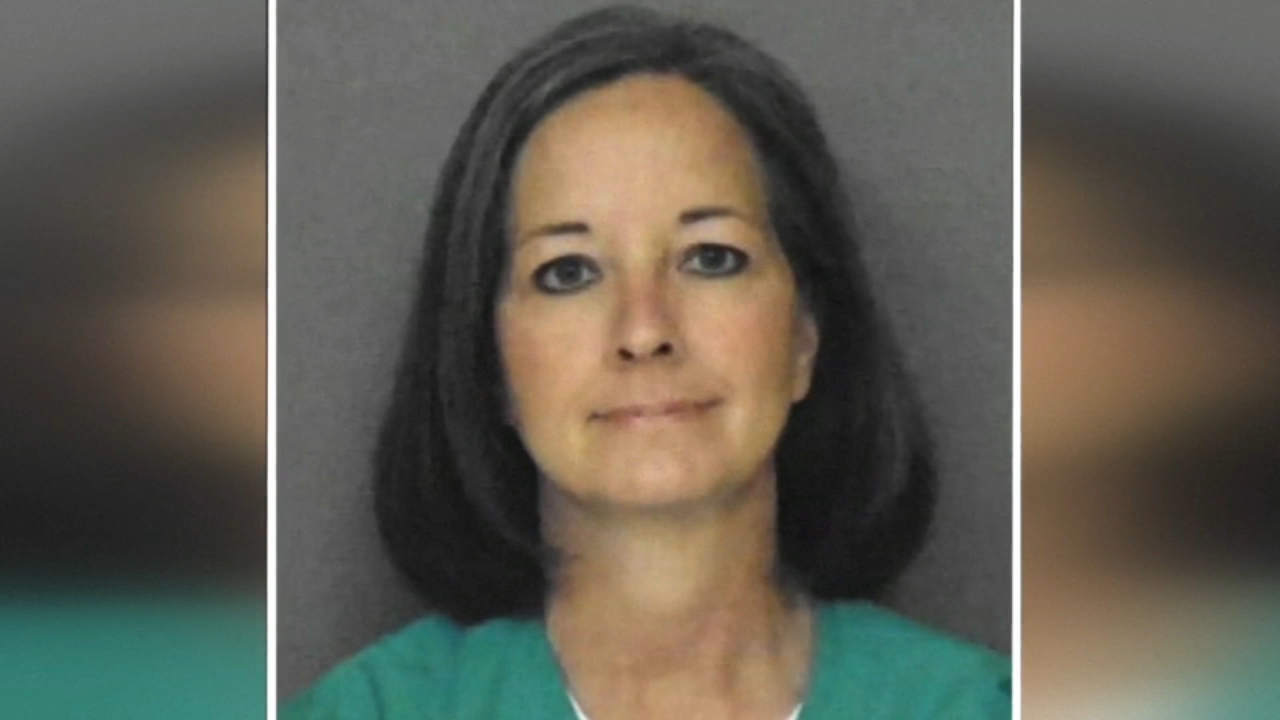 The investigation took a dramatic turn on November 3, 1994, when Smith confessed that the carjacking had never occurred. Authorities revealed that she had driven her vehicle to John D. Long Lake in Union County, South Carolina, and allowed the car to roll into the water with three-year-old Michael and fourteen-month-old Alexander strapped inside their car seats. Divers later recovered the vehicle and the bodies of both children from the lake.
In July 1995, a jury convicted Smith of two counts of murder. Prosecutors sought the death penalty, arguing that the killings were deliberate and calculated. Defense attorneys presented evidence regarding Smith’s mental health and traumatic childhood experiences. After lengthy deliberations, the jury rejected a death sentence and instead imposed life imprisonment with the possibility of parole after thirty years.
For decades, Smith remained incarcerated within the South Carolina Department of Corrections while her case continued to attract public attention through documentaries, books, and news coverage. In November 2024, she appeared before a parole board for the first time. Family members of the victims, prosecutors, and members of the public opposed her release, while Smith addressed the board and expressed remorse for her actions.
Following the hearing, the parole board unanimously voted to deny her request for release. Under South Carolina law, Smith will be eligible to seek parole again in the future, meaning she may continue appearing before the board at scheduled intervals while serving her life sentence.
The denial reignited debate about life sentences with parole eligibility and whether repeated parole hearings create a different type of punishment than either permanent incarceration without parole or capital punishment. Supporters of the board’s decision argued that the severity of the crime justified continued imprisonment, while others focused on questions involving rehabilitation, remorse, and the purpose of parole after decades of incarceration.
Today, Susan Smith remains in prison, nearly three decades after the deaths of Michael and Alexander. While her legal sentence allows future parole consideration, her first attempt at release ended in rejection, ensuring that she will continue serving her sentence as one of the most widely known inmates in South Carolina’s prison system.