1 September 2026
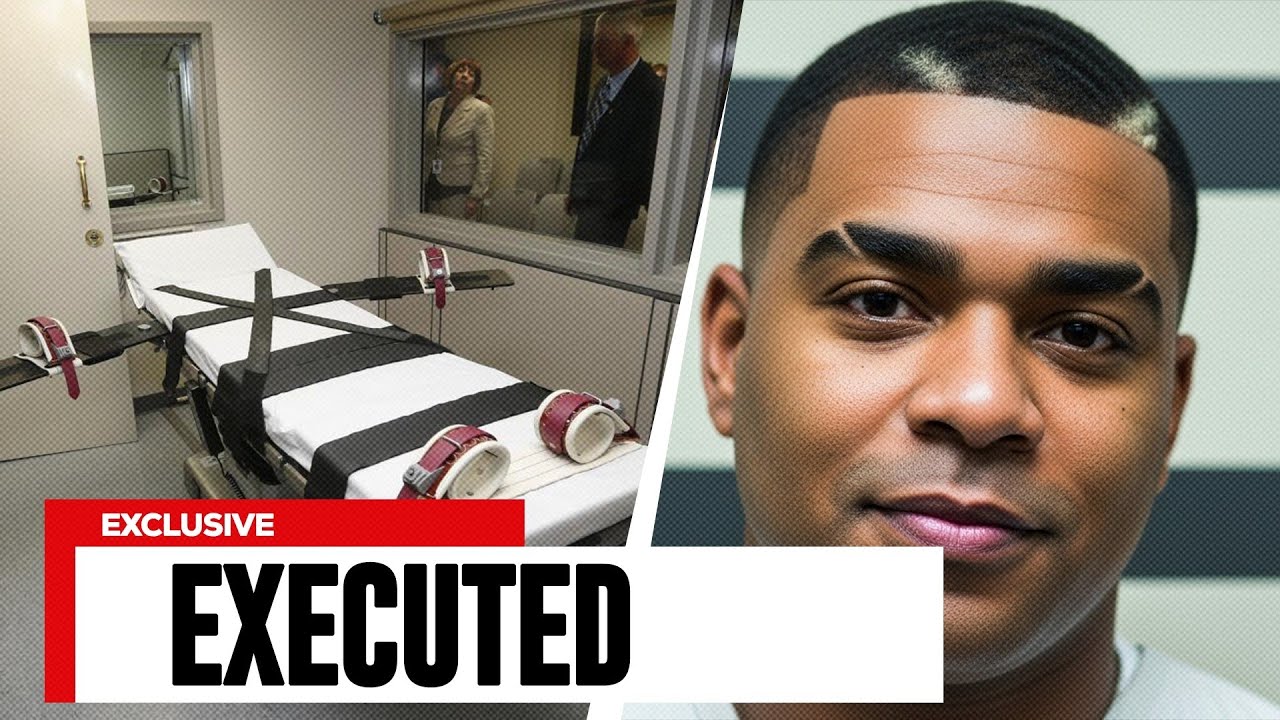
The state of Alabama executed Nathaniel Woods by lethal injection on Thursday night, March 5th, 2020, at the William C. Holman Correctional Facility, concluding a 15-year legal battle that divided the nation and ignited a firestorm of protest over the fairness of his conviction. Woods, 44, was pronounced dead at 9:01 p. m. local time. His execution proceeded after the U. S. Supreme Court lifted a temporary stay of execution just hours earlier, a decision that came without explanation and dashed the final hopes of his legal team and a coalition of high-profile advocates who had campaigned tirelessly for clemency. The case centered on the June 17, 2004, deaths of three Birmingham police officers—Carlos Owen, Harley Chisholm III, and Charles Bennett—who were gunned down while attempting to serve a misdemeanor drug warrant at a house in the Ensley neighborhood where Woods was staying. Prosecutors argued that Woods, though unarmed and having fired no shots, acted as an accomplice to the shooter, Kerry Spencer. They alleged that Woods lured the officers into the home, shouting a warning that triggered the ambush, allowing Spencer to open fire with an SKS semi-automatic rifle. Under Alabama’s accomplice liability law, a person involved in a felony that results in a murder can be charged with capital murder even if they did not pull the trigger. This legal principle became the cornerstone of Woods’ conviction and the central point of contention for his supporters. Spencer, who has never denied being the shooter, has repeatedly and emphatically stated that Woods was completely innocent of any role in the planning or execution of the attack. “Nathaniel didn’t shoot anybody. I did it all by myself,” Spencer has said from his own death row cell. Despite this admission, a jury convicted Woods of capital murder in 2005. The defense argued that Woods was attempting to surrender when the shooting began, a claim his sister, Pamela Woods, held up a trial transcript to support in the days leading up to the execution. The final hours of Woods’ life were marked by a frantic, last-ditch legal effort. His attorneys filed emergency appeals with state and federal courts, arguing that he had received ineffective counsel and that new evidence could exonerate him. The Alabama Supreme Court and Governor Kay Ivey both declined to intervene. The U. S. Supreme Court’s initial decision to grant a temporary stay offered a glimmer of hope to the thousands who had gathered in protest outside the prison walls. That hope was extinguished later in the evening when the Court lifted the stay, clearing the way for the execution to proceed. Outside the prison, the atmosphere was tense and sorrowful. Activists, including rapper T. I. , who had been a vocal advocate for Woods, addressed the crowd, decrying the impending execution as a grave injustice. “This ain’t a legal execution. This is a lynching,” T. I. said, his voice amplified to the gathered protesters. The protest was not confined to Alabama. Vigils were held in cities across the country, and social media platforms were flooded with messages using the hashtag #SaveNate. Kim Kardashian West and Martin Luther King III were among the prominent figures who publicly pleaded with Governor Ivey to halt the execution. In his final moments, Woods was offered a last meal. He requested a simple, humble meal of fried chicken, mashed potatoes, and a soft drink—a stark contrast to the gravity of the situation and a detail that would be scrutinized by a watching nation. As he was strapped to the gurney in the death chamber, Woods used his final words to maintain his innocence and express remorse for the families of the fallen officers. According to witnesses, he said softly, “I did not kill those officers. I did not kill anyone. I am sorry for the families of the officers, but I am innocent.” Those were his last words. The lethal injection was administered, and within minutes, Nathaniel Woods was dead. His execution did not bring closure but instead opened a deeper wound in the ongoing national debate over capital punishment. The case has become a flashpoint for critics of the death penalty, who point to it as a prime example of systemic flaws, including inadequate legal representation, prosecutorial overreach, and the irreversible consequences of a justice system that can make fatal errors. Woods’ supporters argue that he was convicted not for a crime he committed, but for being present at a scene where another man acted. They contend that the state executed an innocent man, a claim that has only grown louder in the days following his death. The families of the three slain officers, Carlos Owen, Harley Chisholm III, and Charles Bennett, have maintained that justice was served, viewing Woods as equally responsible for the ambush that took their loved ones’ lives.…