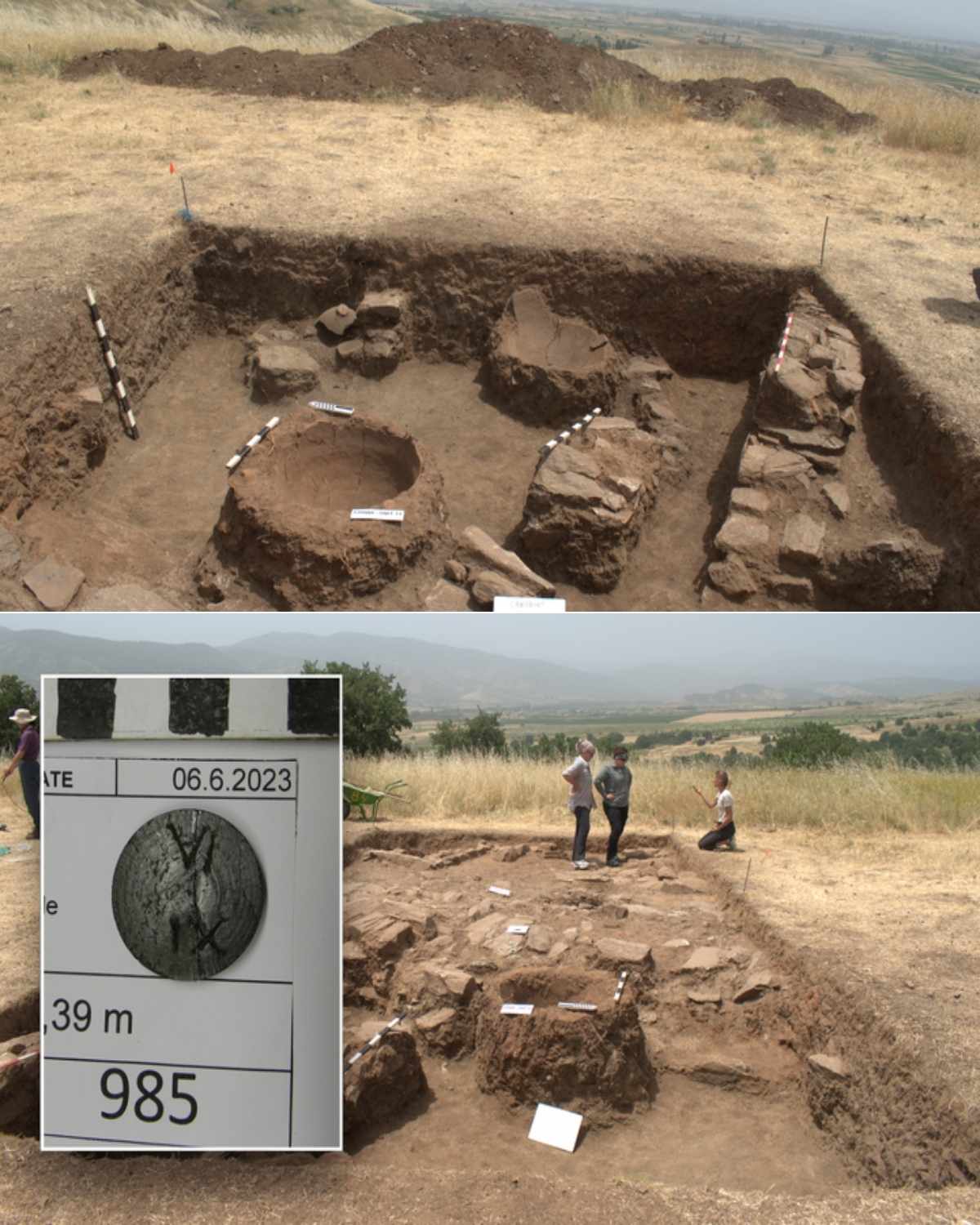
Archaeologists in Germany have uncovered a remarkable underground passage hidden within a prehistoric burial site, revealing a mystery that spans more than 7,000 years of human history. What began as a routine excavation ahead of wind turbine construction unexpectedly led researchers to a medieval tunnel concealed inside a much older Neolithic ceremonial landscape.
The discovery was announced by the State Office for Heritage Management and Archaeology of Saxony-Anhalt, which described the find as an unusual overlap of two very different periods of European history. At the center of the mystery is an underground structure known as an erdstall—a narrow subterranean passage system whose true purpose remains one of archaeology’s most debated questions.
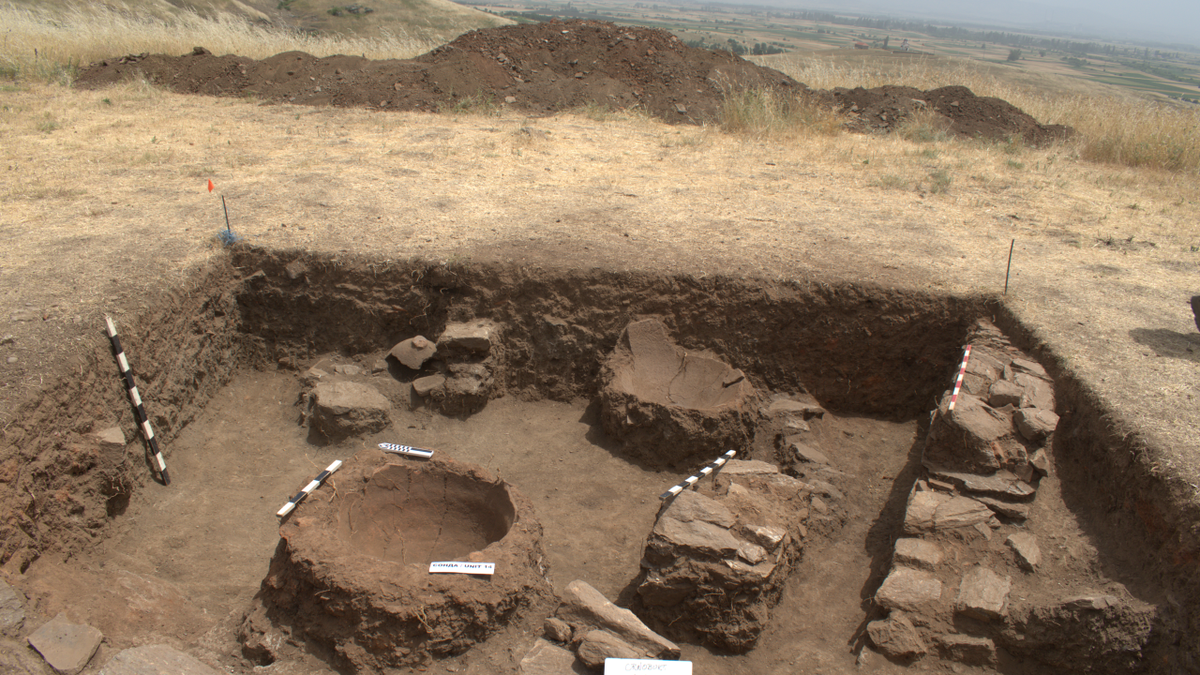
The site is located near Reinstedt in central Germany and was originally identified as a Middle Neolithic burial complex associated with the Baalberge culture, a farming society that lived during the 4th millennium B.C. Archaeologists believe the area served as a ceremonial and funerary landscape more than 6,000 years ago, making it one of the oldest known human sites in the region.
During excavations conducted before the installation of wind turbines, researchers encountered what initially appeared to be a simple prehistoric grave. The feature consisted of a trapezoidal ditch associated with several poorly preserved Late Neolithic burials dating to the 3rd millennium B.C. A large stone slab positioned at one end seemed to support the interpretation that the structure was another burial feature.
However, as excavations progressed, archaeologists realized they were dealing with something entirely unexpected.
Instead of ending beneath the stone slab, the feature continued downward into the compact loess soil beneath the prehistoric monument. Further investigation revealed that the passage was not a grave at all but part of a medieval underground tunnel system constructed thousands of years after the original burial complex had been abandoned.
The tunnel belongs to a category of mysterious subterranean structures known as erdstalls, which have been discovered in parts of Germany, Austria, and neighboring regions. These narrow passages date primarily to the late Middle Ages, yet their purpose remains uncertain.
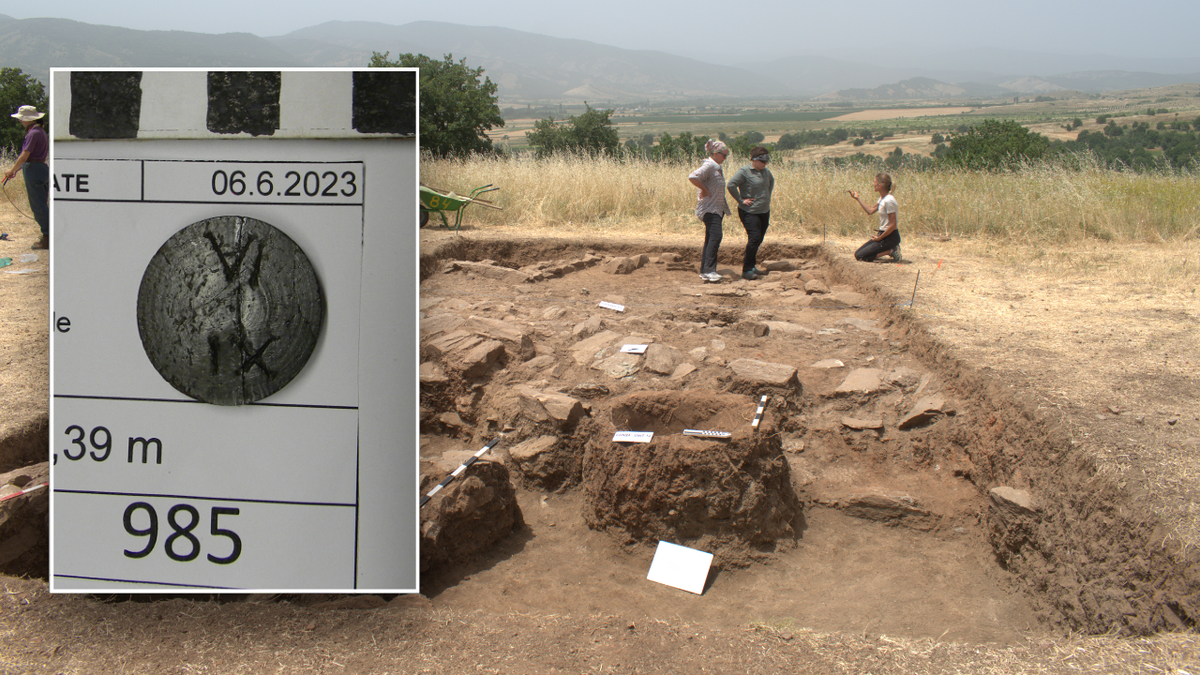
For decades, researchers have proposed numerous explanations. Some believe erdstalls served as emergency hiding places during times of conflict. Others argue they may have been used for ritual activities, religious ceremonies, storage, or even symbolic journeys connected to medieval beliefs. No single theory has gained universal acceptance.
The newly discovered tunnel has only added to the mystery.
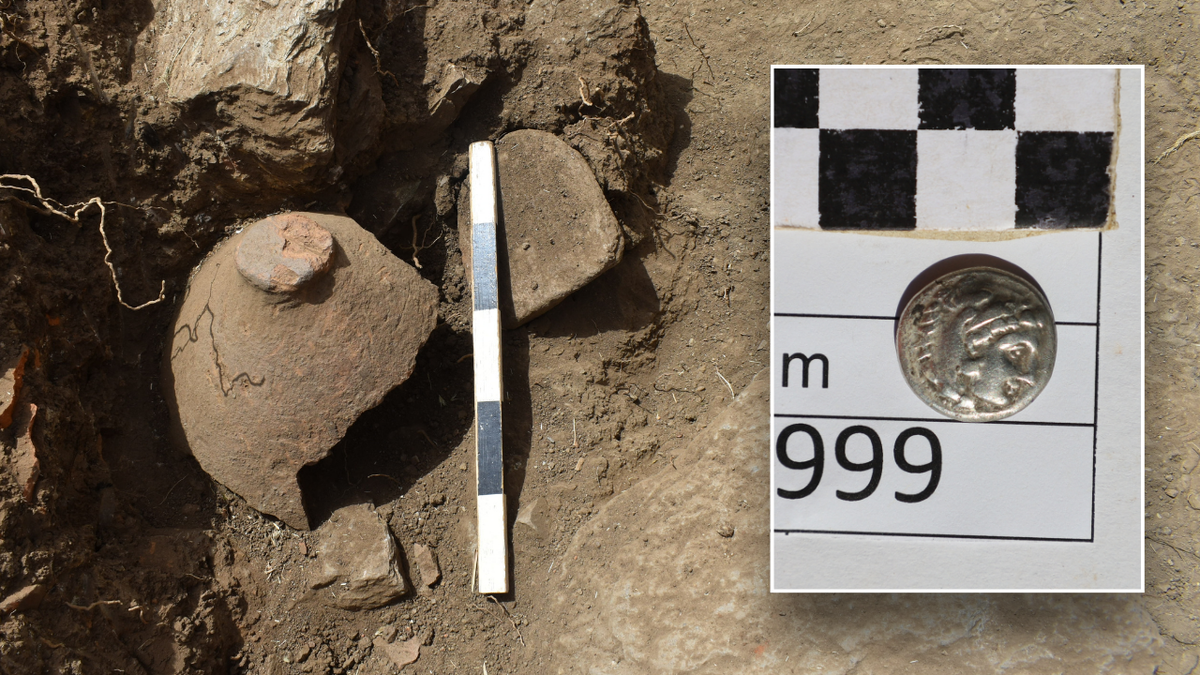
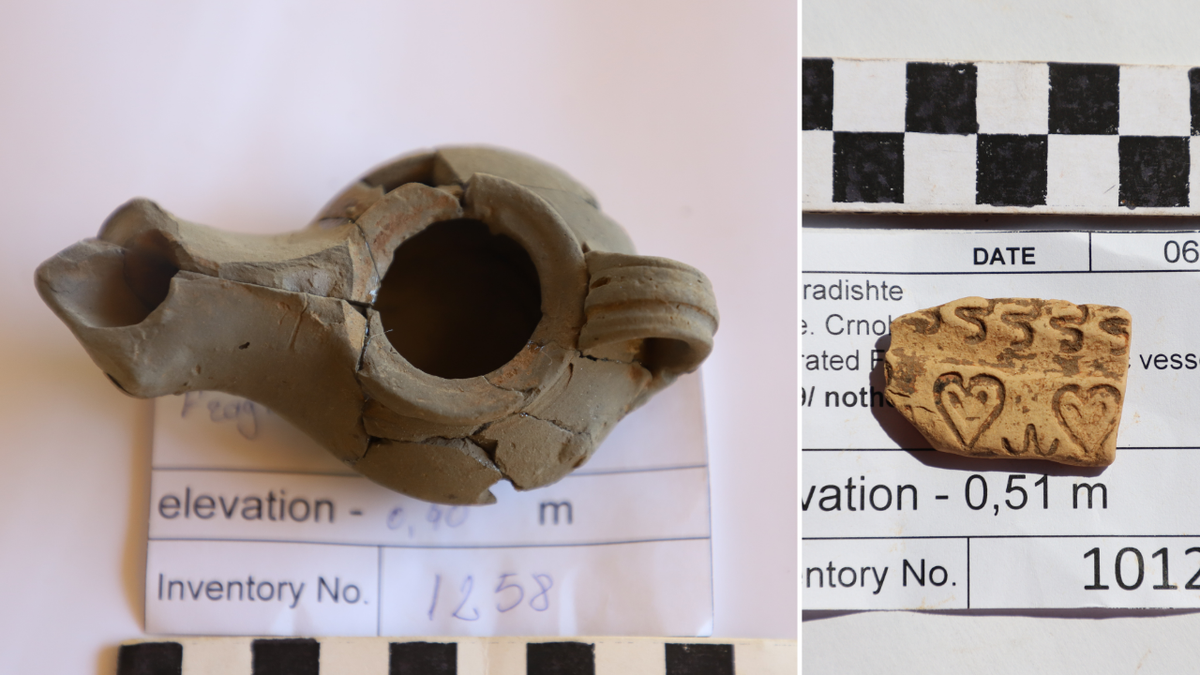
Excavators found several clues indicating medieval activity within the passage. Among the artifacts recovered were fragments of late medieval pottery, a horseshoe, animal remains, and traces of charcoal from a fire that appears to have burned only briefly. The fill also contained numerous stones and small cavities, characteristics commonly associated with other known erdstalls.
Perhaps most intriguing is the evidence that the tunnel was deliberately sealed.
At the narrowest section of the entrance, archaeologists discovered a concentration of large stones carefully stacked on top of one another. Researchers believe this arrangement may have been intentionally constructed to block access to the passage. Why the tunnel was sealed—and who ordered it—remains unknown.
The location of the tunnel may provide another clue.
Archaeologists speculate that the ancient Neolithic ditch enclosure may still have been visible on the landscape during the Middle Ages. Even after thousands of years, subtle earthworks and remnants of the prehistoric monument could have remained recognizable to local communities.
If so, medieval builders may have deliberately chosen this location because of its ancient significance.
Researchers have proposed that local Christians might have avoided disturbing what they perceived as a pagan burial ground while simultaneously recognizing it as a place of special meaning. The decision to construct an underground passage adjacent to—or even within—a prehistoric sacred site raises fascinating questions about how medieval people viewed ancient monuments that had already stood for millennia.
Throughout Europe, many prehistoric sites continued to attract folklore, legends, and spiritual associations long after their original purpose had been forgotten. Ancient burial mounds, stone circles, and earthworks were often incorporated into local traditions and sometimes became focal points for medieval myths and religious beliefs.
The Reinstedt discovery appears to fit into this broader pattern, where one civilization unknowingly interacted with the remnants of another separated by thousands of years.
What makes the find particularly valuable is that it preserves evidence of two distinct periods of history layered atop one another. The Neolithic burial enclosure reflects the beliefs and rituals of some of Europe’s earliest farming communities, while the medieval tunnel offers a rare glimpse into a much later society whose motivations remain largely mysterious.
For now, archaeologists continue to study the tunnel and its contents in hopes of understanding why it was built, why it was hidden within an ancient burial landscape, and why it was ultimately sealed.
The discovery serves as another reminder that Europe’s archaeological record is often far more complex than it first appears. Beneath a seemingly ordinary construction site, researchers uncovered not only a prehistoric cemetery but also a medieval mystery hidden within it—a secret passage that survived underground for centuries, waiting to be rediscovered.
Until further evidence emerges, the tunnel remains one of Germany’s most intriguing recent archaeological puzzles, connecting two worlds separated by more than five thousand years yet unexpectedly linked beneath the same patch of earth.