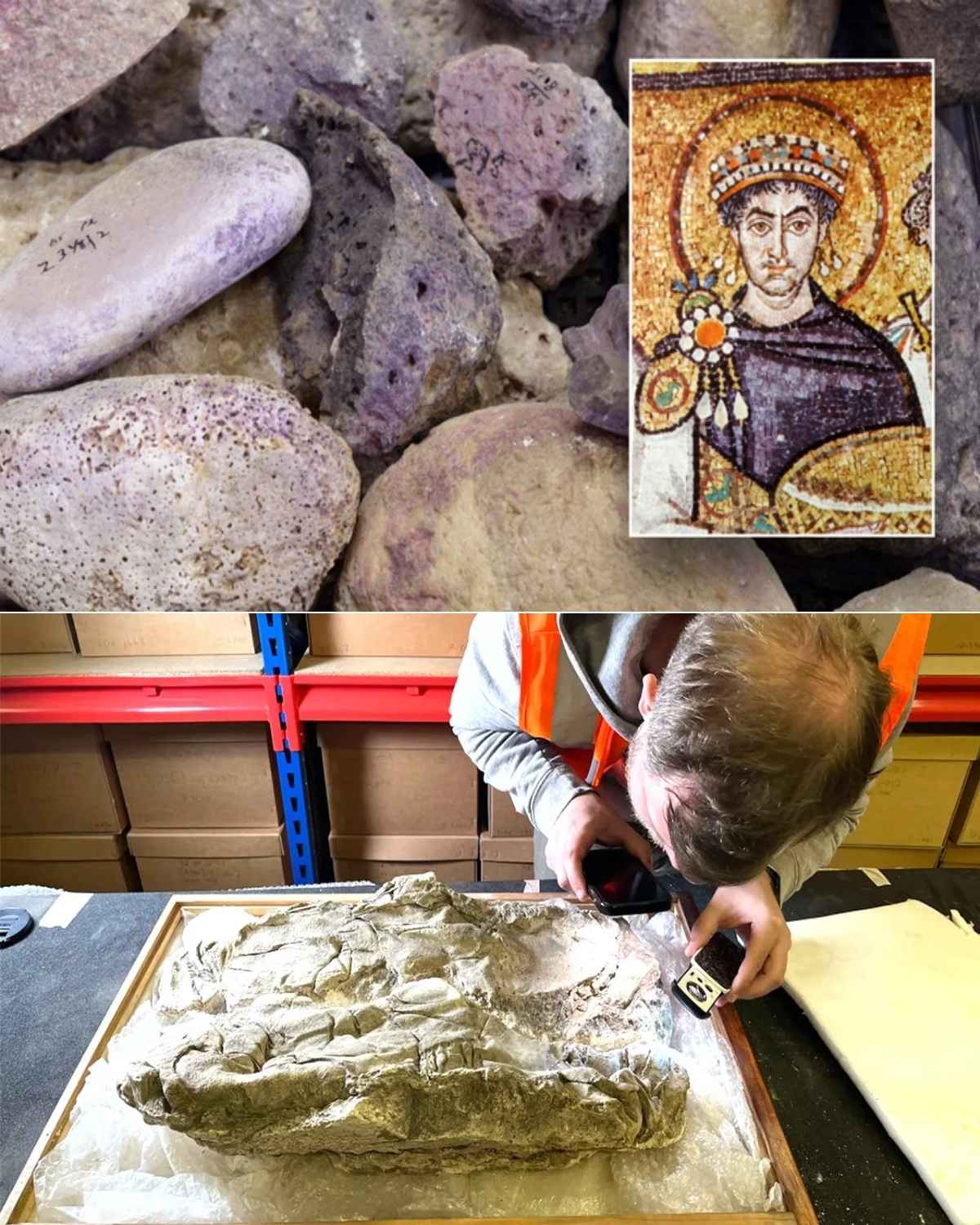
Archaeologists studying Roman-era burials in northern England have uncovered evidence of one of the ancient world’s most exclusive luxury goods in an unexpected setting: the graves of two infants buried nearly 1,700 years ago.
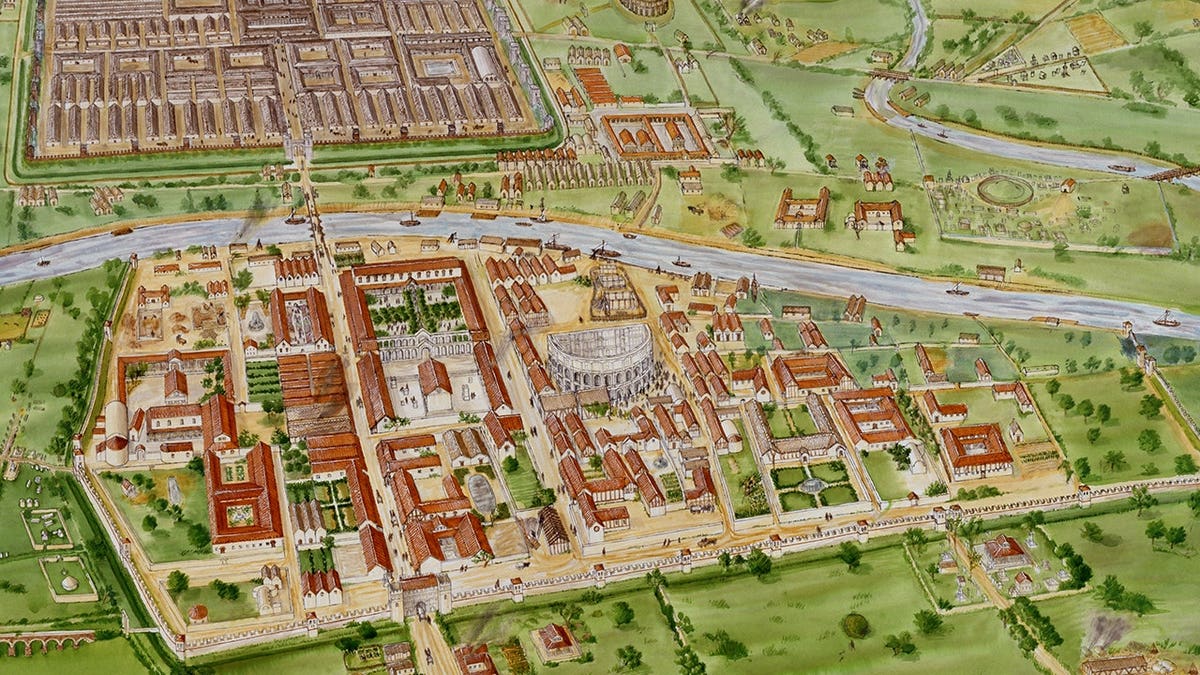
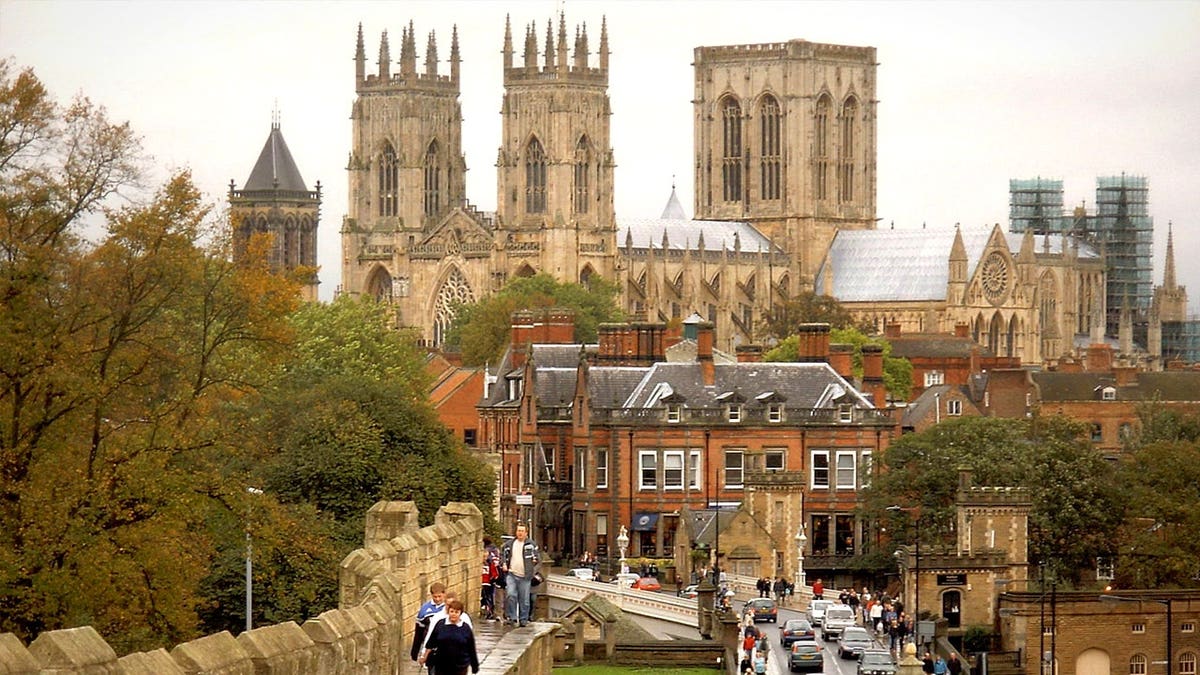
The remarkable discovery was made in York, a city known in Roman times as Eboracum, one of the most important urban centers in Roman Britain. Through advanced chemical analysis of preserved textile fragments and burial remains, researchers identified traces of Tyrian purple, a legendary dye so valuable that it was often associated with emperors, royalty, and the highest levels of Roman society.
The finding offers a rare glimpse into the wealth, status, and emotional investment of families living on the distant frontier of the Roman Empire.
The two burials date to the late third or early fourth century A.D. One infant was interred within a stone coffin alongside two adults, while the second was buried separately in a lead coffin. Although the graves had been known to archaeologists, recent scientific analysis revealed a surprising detail hidden within the surviving textile remains.
Researchers discovered that the infants had been wrapped in an exceptionally fine fabric dyed with Tyrian purple and decorated with gold thread.
According to the University of York, this type of cloth represented the highest level of luxury available in the Roman world.
“The babies were wrapped in a fine textile of Tyrian purple embellished with gold thread — a cloth of the highest possible status and luxury known in the Roman world,” researchers stated.
The significance of this discovery cannot be overstated.
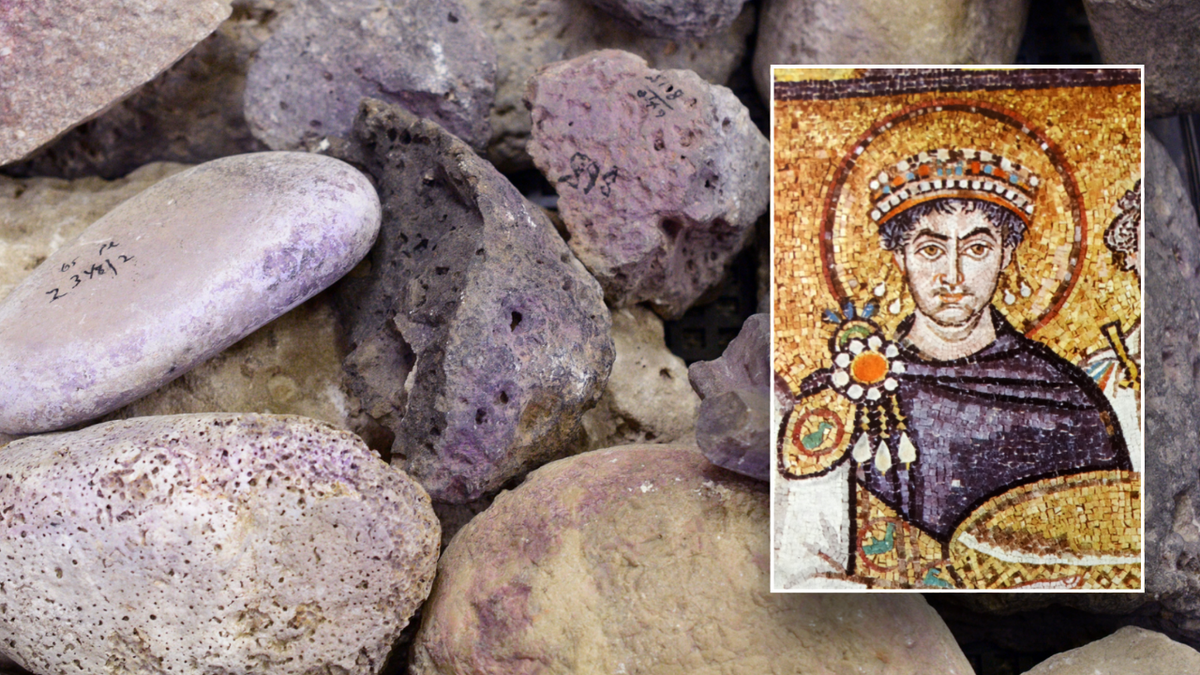
Tyrian purple was one of the most expensive and prestigious substances in antiquity. Produced from the secretions of murex sea snails found in the Mediterranean, the dye required enormous quantities of shells and labor to manufacture. Ancient sources suggest that during the Roman period, Tyrian purple could be worth several times its weight in gold.
Its rarity transformed it into a symbol of political power and social distinction.
Throughout the Roman Empire, laws sometimes restricted the wearing of certain shades of purple to members of the imperial family and elite aristocracy. Possessing garments dyed with Tyrian purple was not simply a display of wealth—it was a public statement of status and influence.
The dye also holds important religious significance.
Tyrian purple appears multiple times in biblical texts, where it is associated with wealth, prestige, and sacred authority. In the New Testament, Acts 16:14 describes Lydia, a merchant known for trading purple cloth. The color also appears in the account of Jesus’ crucifixion, when Roman soldiers draped him in a purple robe and placed a crown of thorns upon his head in a mocking imitation of royal authority.
Because of these associations, the discovery of Tyrian purple in Roman York carries historical importance beyond archaeology alone. It demonstrates the extraordinary reach of trade networks connecting Britain to the Mediterranean world and highlights how luxury goods circulated across vast distances within the empire.
What makes the find even more remarkable is its rarity.
Researchers noted that this represents the first confirmed identification of Tyrian purple on Roman textile remains discovered in York and one of only a handful of such examples ever identified in the United Kingdom.
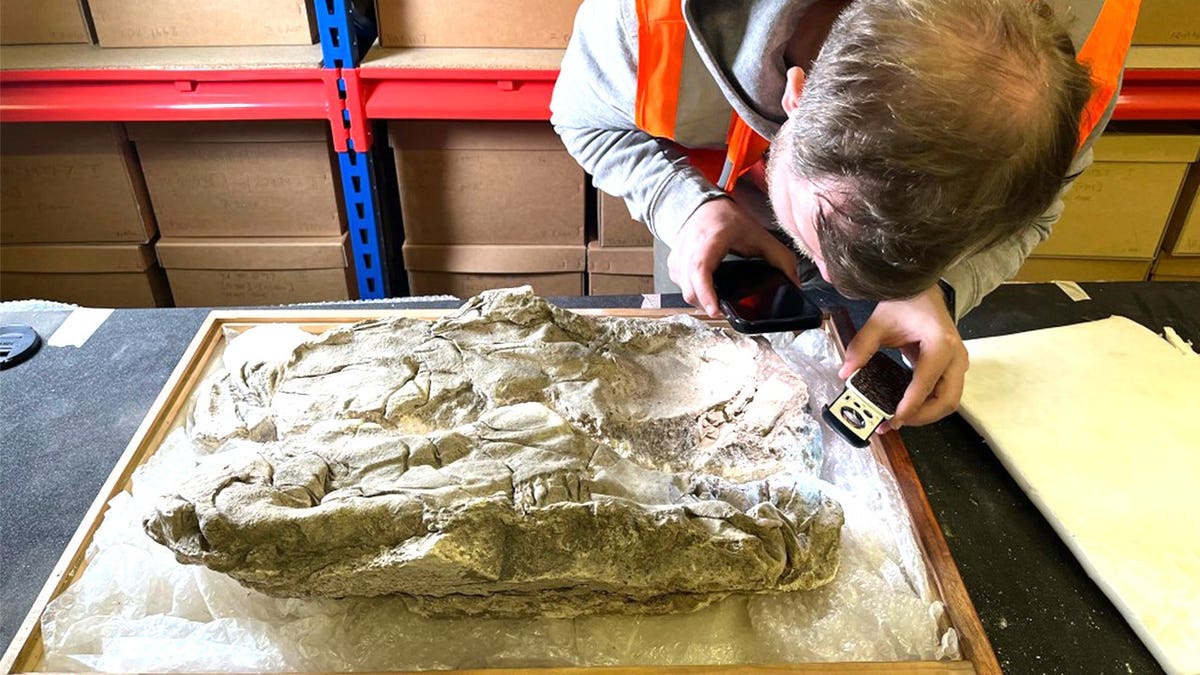
Preserving evidence of ancient textiles is notoriously difficult. Organic materials such as cloth typically decay long before archaeologists can recover them. In this case, however, a unique Roman burial practice helped preserve the evidence.
Investigators found that liquid gypsum had been poured over the shrouded bodies during burial. As the gypsum hardened over time, it created a protective environment that preserved microscopic traces of fabrics, dyes, and other organic materials that would otherwise have disappeared.
This exceptional preservation allowed modern scientists to detect chemical signatures of the purple dye nearly seventeen centuries after the burials occurred.
For Professor Maureen Carroll of the University of York’s Department of Archaeology, the discovery reveals much more than simple wealth.
It provides insight into the emotional and social value placed upon children in Roman society.
The elaborate burial treatment suggests that the infants belonged to families of considerable means who were willing to invest extraordinary resources in funeral rituals. Wrapping a deceased child in cloth reserved for the empire’s highest social classes demonstrates not only economic power but also a desire to honor the child with the most prestigious burial possible.
Carroll emphasized that the discovery shows York’s elite residents had access to exotic luxury commodities imported from distant parts of the Roman Empire. More importantly, she noted that the burials illustrate the significance of children within Roman families and the lengths parents would go to provide a dignified farewell in times of personal tragedy.
The discovery also reinforces York’s importance within Roman Britain.
Founded around A.D. 71 as a military fortress, Eboracum grew into one of the empire’s major provincial capitals. Emperors visited the city, military commanders governed from it, and extensive trade routes connected it to every corner of the Roman world. The presence of Tyrian purple in local burials provides yet another indication of the city’s prosperity and international connections.
The find comes as archaeologists continue to deepen their understanding of ancient purple dye production. Recent research at Tel Shiqmona in modern-day Israel identified what may be one of the largest and longest-operating purple dye manufacturing centers in antiquity. Dating back as early as 1100 B.C., the site demonstrates the enormous industrial effort required to produce the coveted pigment.
Against that backdrop, the traces of purple found in York become even more meaningful. They represent the final stage of a journey that began with Mediterranean sea snails, passed through workshops and trade routes spanning thousands of miles, and ultimately reached a distant Roman city on the edge of the empire.
There, in one of the most moving discoveries of recent years, a luxury once reserved for emperors was used to honor the brief lives of two children, preserving a story of wealth, status, and parental devotion that survived for nearly 1,700 years beneath the soil of Roman Britain.