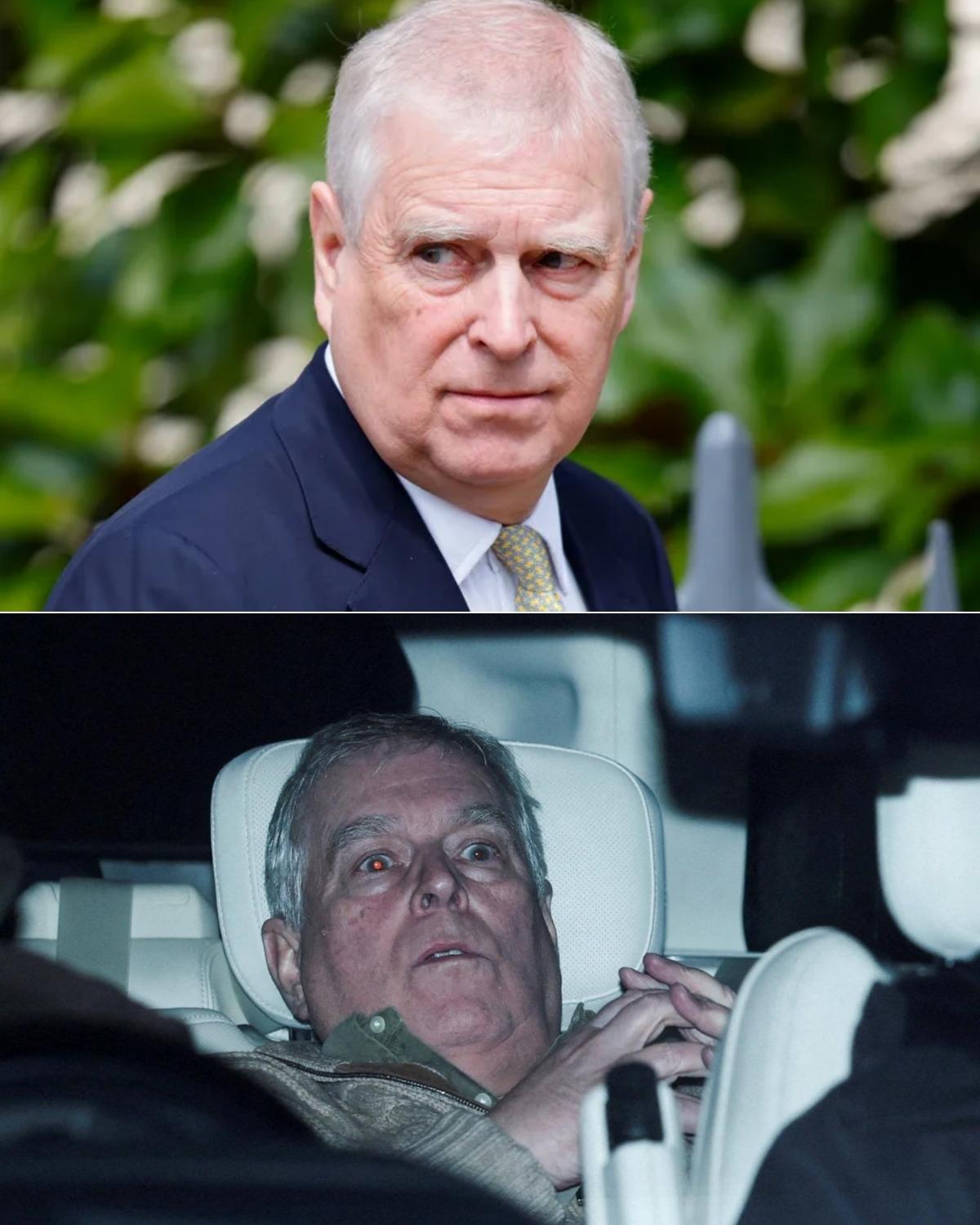
New reporting has revealed that Buckingham Palace was given substantial evidence in 2020 suggesting that Prince Andrew, now Andrew Mountbatten-Windsor, shared confidential information while serving as a UK trade envoy — raising fresh questions about institutional oversight within the monarchy.
According to the BBC, six years ago, the Lord Chamberlain, the most senior officer in the royal household, received roughly 30,000 emails from a personal business contact of Andrew’s. The emails reportedly contained sensitive details about Andrew’s activities and his potential misuse of confidential information. At the time, palace officials appear to have taken no public action.
The revelations come amid ongoing legal and criminal scrutiny of Andrew, who was arrested in February 2026 on suspicion of misconduct in public office — marking the first time a senior British royal has faced such an investigation since the 17th century. Andrew was released after roughly 11 hours in custody, but authorities continue to probe allegations that he shared confidential information with Jeffrey Epstein during his tenure as a government trade envoy.
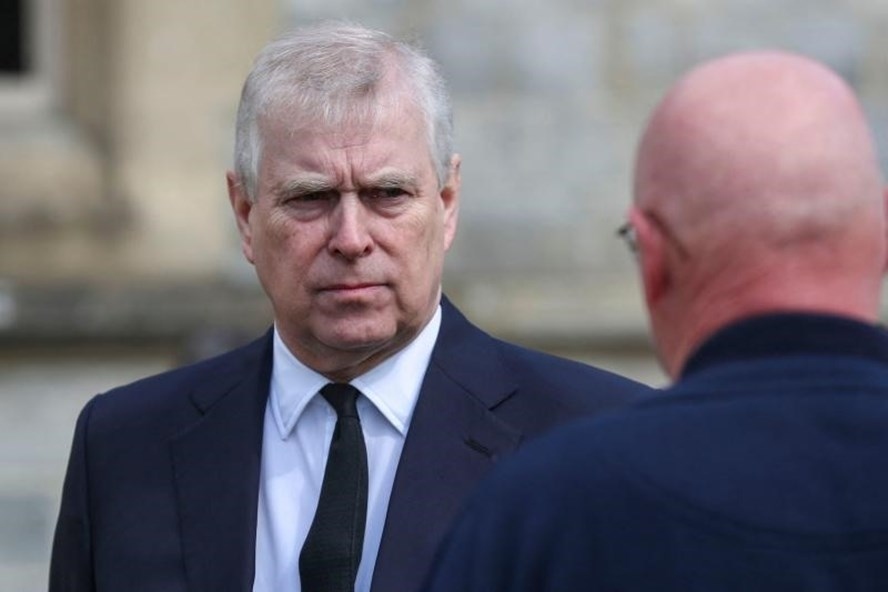
Public Outcry and Criticism
The delay in palace response has drawn sharp criticism from survivors of Epstein’s abuse and advocates for accountability. Jess Michaels, a former dancer who alleged sexual assault by Epstein in 1991, told The Telegraph:
“Six years ago, the palace knew Andrew wasn’t just a problem: he could face a criminal investigation. And they sat on it. Virginia Giuffre was telling the truth, and she didn’t live to see them admit it. That breaks my heart, and it should break everyone’s.”
Michaels added, “This is what institutions do. They protect powerful men and leave the people they harmed to carry it.”
Virginia Giuffre, one of Epstein’s most prominent accusers, died by suicide in April 2025. Her posthumous memoir recounts three instances in which she alleged sexual encounters with Andrew, the first reportedly occurring when she was 17. Andrew has consistently denied all wrongdoing.
The Royal Context
Andrew, 66, stepped back from royal duties in 2019 following a controversial BBC interview in which he denied Giuffre’s allegations. He was subsequently stripped of his military titles and patronages in 2022, after attempting unsuccessfully to have Giuffre’s sexual assault lawsuit dismissed. The case was ultimately settled out of court for an undisclosed sum.
Royal biographer Robert Jobson told PEOPLE that Andrew’s appointment as a trade envoy was likely sanctioned by Queen Elizabeth II, despite objections from then-heir Charles, who reportedly questioned Andrew’s qualifications. Jobson explained:
“[Charles] thought he wasn’t qualified for it and, with him just out of the Navy, he should learn the job first. But he was ignored.”
According to Jobson, Andrew’s position as envoy was “indulged” by the Queen, who relied on advisors and a prime minister to manage the intricacies of royal duties while protecting the institution’s public image.

Broader Implications
The new revelations underscore the complex challenge of managing a modern monarchy. The delay in acting on sensitive emails, combined with Andrew’s continued public role for years after allegations surfaced, has reignited debate over transparency, accountability, and the responsibility of the royal family to intervene when misconduct is suspected.
As the investigation continues, Buckingham Palace has refrained from comment, citing the ongoing police inquiry. The episode illustrates the fine line the monarchy walks between preserving legacy, protecting family members, and addressing potential legal and ethical breaches — all under intense global scrutiny.