Abel Revill Ochoa, 47, was executed by lethal injection at the Huntsville Unit in Texas on February 6, 2020, after being convicted of the brutal shooting deaths of five of his own family members inside their Dallas home in August 2002. On the day of the killings, Ochoa — who had a long history of crack cocaine addiction — walked from the bedroom into the living room with a 9 mm handgun and fatally shot his wife, Cecelia (32), their 7‑year‑old daughter Crystal, their 9‑month‑old daughter Anahí, his father‑in‑law Bartolo Alivizo (56), and his sister‑in‑law Jacqueline Saleh (20). One sister‑in‑law, Alma Alivizo, survived despite severe injuries.

Court records and Ochoa’s own signed confession show that he had convinced his wife to give him money for drugs after attending church with his family, then purchased and smoked crack before the shootings. Afterward, he attempted to flee in his wife’s vehicle and was arrested a short time later with a crack pipe in his pocket. His defense argued that he was in a state of cocaine‑induced delirium at the time, but prosecutors maintained the killings were deliberate acts of rage.
Ochoa was quickly convicted by a Dallas County jury and sentenced to death in 2003. Over nearly 17 years on death row, his legal team filed appeals challenging aspects of his trial and seeking clemency, but state and federal courts, including the U.S. Supreme Court, denied requests to halt the execution.
On the evening of his execution, Ochoa was pronounced dead at 6:48 p.m., 23 minutes after the lethal injection began. Witnesses, including relatives of the victims, observed through a glass partition in the death chamber. Shortly before the procedure, Ochoa offered brief final remarks, thanking God and expressing remorse to the Bonni family, particularly his in‑laws, whom he called “the sisters I never had.”
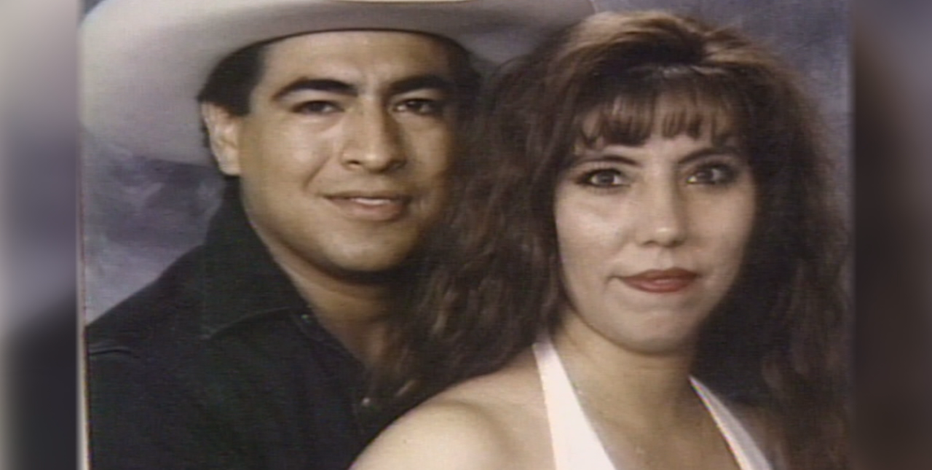
The case drew attention not only for its tragic scale — a father killing his own children and close relatives — but also for the role addiction and long‑term legal debates played in appeals and mitigation arguments. Prosecutors described the murders as a catastrophic act of violence that devastated the Dallas community and left lasting trauma for the lone surviving family member.
Ochoa’s execution marked one of the significant death penalty cases in Texas during that period, underscoring the state’s continued use of capital punishment in cases involving multiple homicides and familial victims.
The legacy of the crime remains in remembrances of the victims and ongoing discussions about substance abuse, mental health, and violent crime in domestic settings, with many observers noting the profound loss inflicted on multiple generations of one family.