Kevin Ray Underwood was executed by lethal injection in Oklahoma after nearly two decades on death row for the 2006 murder of 10‑year‑old Jamie Rose Bolin, a case marked by its brutality and prolonged legal battle over clemency. Underwood, 45, was put to death on his birthday at the Oklahoma State Penitentiary in McAlester, where he had been housed since his conviction in 2008. Prosecution and court records show he lured Jamie to his apartment, where he beat her with a cutting board, suffocated her, and later admitted to planning the killing as part of a cannibalistic fantasy — a motive cited at trial and sentencing.
Underwood’s case drew intense scrutiny from both legal experts and the public. Defense attorneys argued that he suffered from a complex history of severe mental health disorders, including autism spectrum disorder, bipolar disorder, and other conditions that they said impaired his ability to separate fantasy from reality. They pressed this during appeals and in clemency hearings, but the Pardon and Parole Board ultimately denied mercy, and the U.S. Supreme Court declined to block the execution. Prosecutors and the Attorney General maintained that the heinous nature of the crime and Underwood’s calculated actions — selecting a young, vulnerable victim and preparing materials in advance — warranted the death sentence under Oklahoma law.
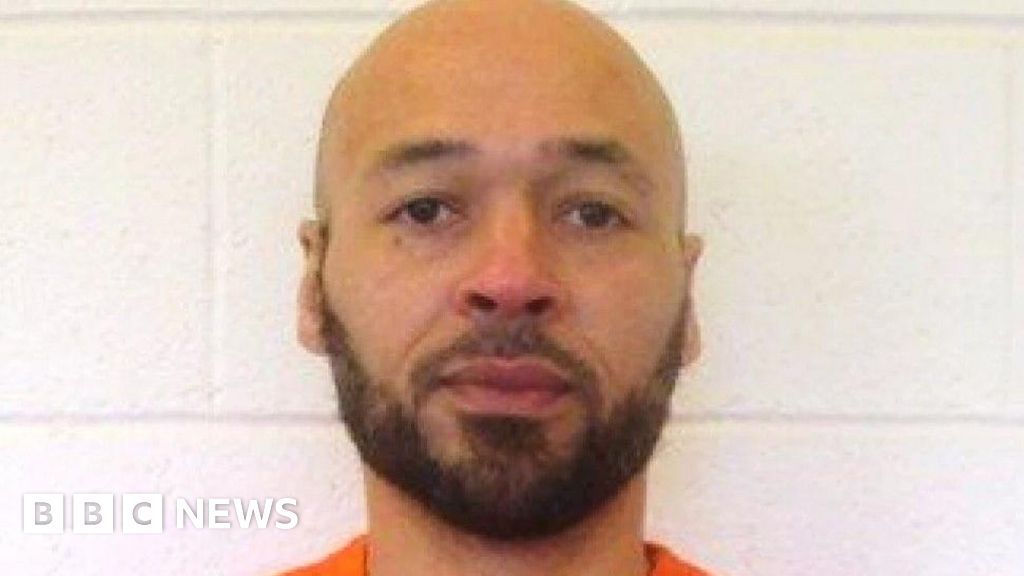
In the hours leading up to his execution, Underwood had a last meal and was given the opportunity to make final remarks. According to witnesses, he offered an apology to Jamie’s family, expressing regret for his actions and acknowledging the harm he caused. Officials confirmed the execution proceeded without reported complications, and Underwood was pronounced dead shortly after the lethal injection protocol began.
The murder of Jamie Bolin had deeply affected her community in Purcell and beyond. At the time, an Amber Alert was issued, and a widespread search involving law enforcement and volunteers failed to locate her alive; her body was ultimately discovered in Underwood’s apartment. In the years since, family members and officials have spoken about the long emotional toll the crime took and the extended process of pursuing justice through Oklahoma’s judicial system.
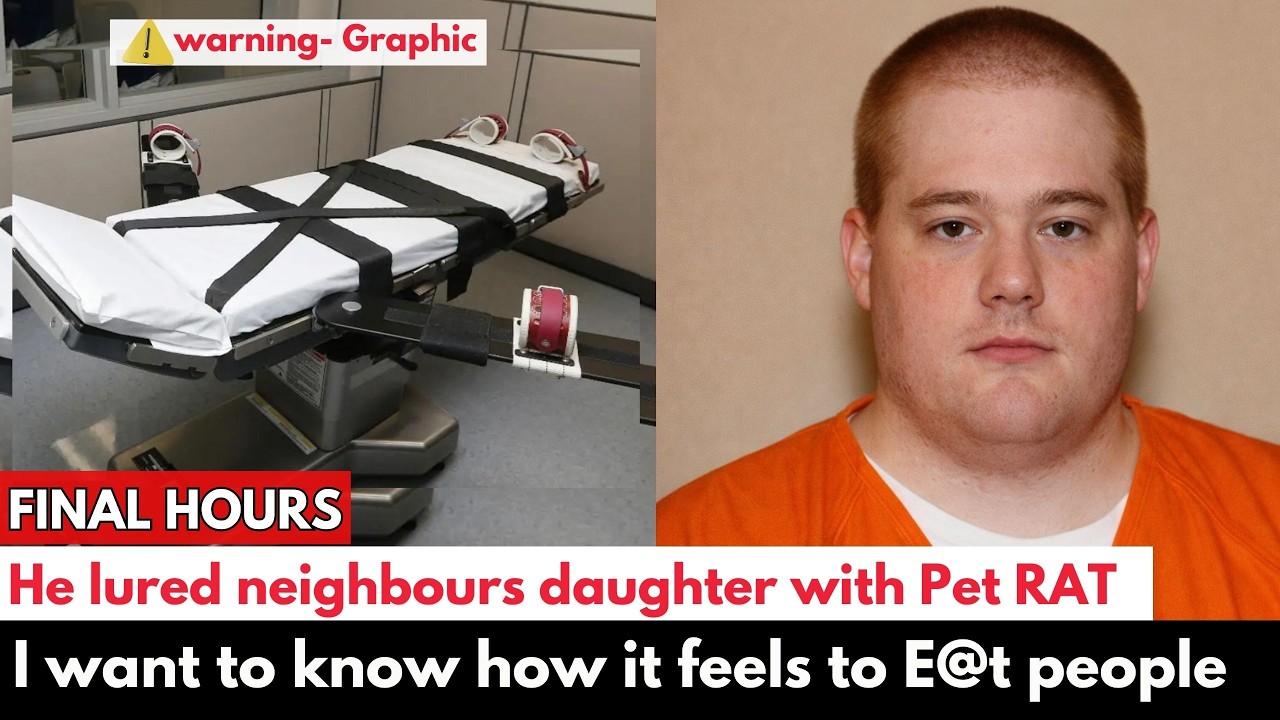
Underwood’s execution brought renewed focus to debates about mental illness in criminal cases, especially where extreme acts of violence and unusual motives are involved. Critics of the death penalty pointed to his diagnoses and long history of psychiatric struggles as reasons for clemency, while supporters of the sentence emphasized public safety and accountability for a crime involving a defenseless child.
The case also highlighted Oklahoma’s broader use of capital punishment — the state has one of the highest execution rates per capita in the nation, and its procedures for review, clemency, and lethal injection continue to attract attention from legal scholars, advocacy groups, and the media. Underwood’s execution marked the final death penalty carried out in Oklahoma for that year, underscoring the enduring complexities and controversies of the death penalty in the U.S. criminal justice system.
For the Bolin family and many in the community, the execution marked a somber milestone — providing a measure of legal closure while leaving unresolved the deep grief and lasting impact of Jamie’s death. Underwood’s case remains a reference point in discussions about how the justice system should balance punishment, mental health, and the protection of society’s most vulnerable.