The Golden Gate, located in the eastern wall of Jerusalem’s Old City facing the Mount of Olives, has been sealed for centuries and features prominently in Jewish, Christian, and Islamic traditions. Its current blocked form dates to 1541 CE, when Ottoman Sultan Suleiman the Magnificent incorporated it into the fortified city walls, and it has remained closed ever since.
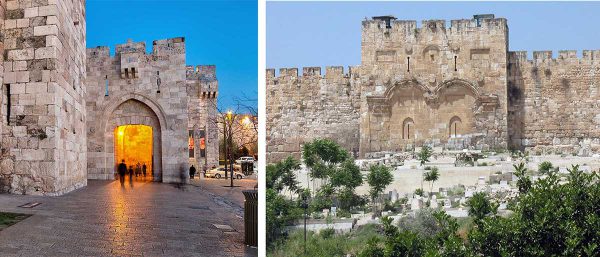
For many believers, the gate’s sealed condition carries prophetic resonance. Jewish tradition holds that the Messiah will enter Jerusalem through this eastern gate, and some Christians associate it with Jesus’ entry from the Mount of Olives before his crucifixion. These symbolic interpretations draw on centuries of scripture and tradition rather than on physical changes to the gate itself.
In reality, the structure today reflects layers of historical architecture — likely built in the Byzantine or early Islamic period atop older foundations — and shows how Jerusalem’s walls evolved under successive empires. Archaeological studies point to multiple building phases and repairs over the millennia, spanning from ancient times to the medieval era.
Recent online claims suggesting that the gate is “moving” or signaling divine events in 2026 stem mainly from speculative videos and social media content, not from verified archaeological findings. Photographs of scaffolding or maintenance work in the area are more likely tied to routine preservation and conservation of Jerusalem’s ancient walls, which undergo periodic care due to their age and historical importance.
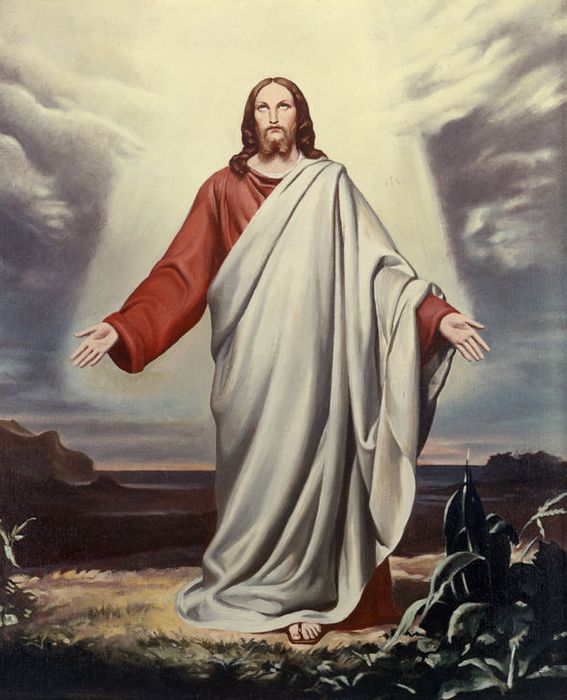
No credible reports from heritage authorities, archaeologists, or historians indicate that the Golden Gate itself has physically shifted or that any movement represents a supernatural phenomenon. Physical alteration of such an ancient and fragile structure would be documented and monitored by official conservation teams.
The enduring fascination with the Eastern Gate speaks to its deep symbolic power in religious imagination. Jews, Christians, and Muslims alike connect it with themes of redemption, messianic hope, and historical memory, which is why any discussion about it — even routine maintenance — attracts wide attention.
Understanding the Golden Gate’s historical context and archaeological record allows us to appreciate its significance without attributing unverified events to it. The gate remains a powerful cultural and spiritual symbol ingrained in Jerusalem’s rich and complex past, standing as a testament to centuries of faith, history, and tradition rather than a literal sign of future events.