On September 6, 2024, the courtroom erupted in applause as Judge Jeffrey Fraser delivered a life-altering sentence to TikTok personality Ali Abulaban, known online as JinnKid. With nearly a million followers before his arrest, Abulaban stood before the court as he learned he would spend the rest of his life behind bars for the murders of his wife, Ana Abulaban, and her friend, Rayburn Cardenas Barron.
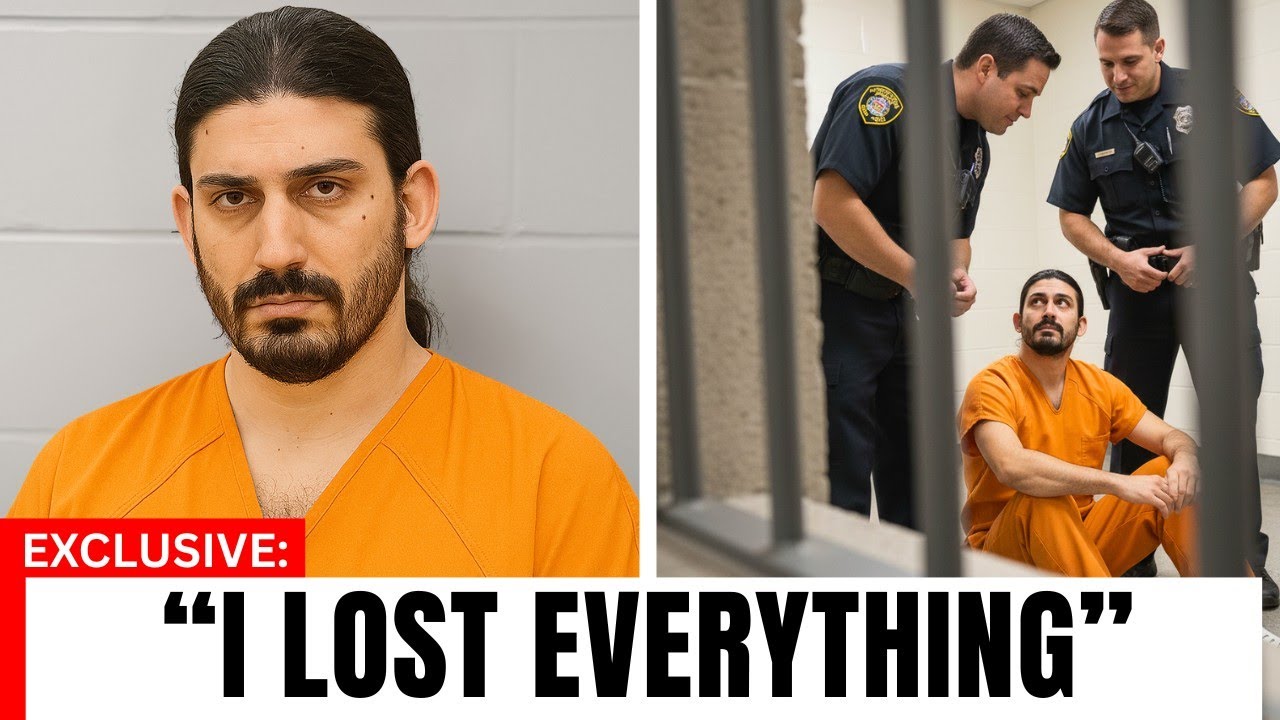 Abulaban was sentenced to two consecutive life terms without the possibility of parole, along with additional years related to firearm enhancements. During sentencing, Judge Fraser expressed skepticism about Abulaban’s remorse, suggesting that much of his regret appeared focused on the consequences he now faced rather than on the lives that had been lost.
Following sentencing, Abulaban entered the California prison system, where he is expected to spend the remainder of his life in state custody. While details about his exact housing conditions are not publicly available, inmates serving life sentences typically face highly structured routines, strict rules, and limited personal freedom.
Like all prisoners, Abulaban’s daily life is now governed by schedules established by correctional staff. Meals, movement, recreation, visitation, and other activities occur at designated times. The transition from a public life on social media to a highly regulated prison environment represents a dramatic change in circumstances.
Because of the publicity surrounding the case, prison officials may consider a variety of safety and classification factors when determining housing assignments. However, specific information about Abulaban’s current placement, interactions with other inmates, or security concerns has not been publicly confirmed.
Life without parole also carries significant psychological challenges. Unlike inmates who may one day seek release, prisoners serving permanent sentences must confront the reality that they are unlikely to ever return to life outside prison. Researchers have long noted that long-term incarceration can contribute to depression, anxiety, and other mental health struggles, although each individual’s experience is different.

For Abulaban, the sentence means he will never regain the freedom he once enjoyed. He will not be able to rebuild the life he had before the crimes, and he will spend the coming decades within the correctional system. Whether he participates in prison work assignments, educational programs, or other institutional activities will depend on prison regulations and his classification status.
Meanwhile, the impact on the victims’ families remains profound. During sentencing, family members described the devastating loss of Ana Abulaban and Rayburn Cardenas Barron, emphasizing the lasting emotional consequences of the murders. Their statements underscored the human cost of a crime that drew national attention.
Although Abulaban’s attorneys have indicated they may pursue appeals, the convictions and sentence remain in place. For now, his future is defined by a punishment that offers no possibility of parole and no realistic path back to the life he once knew.

At 32 years old, Abulaban potentially faces decades in prison. What those years will look like in practice remains largely unknown to the public. What is certain is that the sentence ensures he will spend the rest of his life under the authority of the California correctional system, while the families affected by the case continue their own long journey toward healing.

The case continues to raise difficult questions about justice, accountability, and the lasting consequences of violent crime. While opinions may differ on what punishment is appropriate, there is no dispute that the murders forever changed the lives of everyone involved, leaving a tragedy whose effects will be felt for years to come.