On April 15, 2013, the Boston Marathon became the backdrop for a horrific act of terror that shook the nation. Two homemade bombs, crafted by brothers Tamerlan and Dzhokhar Tsarnaev, detonated near the finish line, claiming three lives and injuring hundreds. The aftermath revealed a chilling narrative of radicalization and betrayal.
 Tamerlan, 26, and 19-year-old Dzhokhar, immigrants from Chechnya, blended into the crowd that day, unaware of the devastation they would unleash. The first explosion occurred at 2:49 p.m., followed by a second blast just seconds later, sending shrapnel into unsuspecting spectators. Among the victims were 8-year-old Martin Richard and 29-year-old Crystal Campbell, whose lives were tragically cut short.
In the days that followed, Dzhokhar returned to his college life at UMass Dartmouth, seemingly unfazed by the chaos he had caused. Friends described him as relaxed, even joking around at parties, while the city grappled with the aftermath of the deadliest attack on U.S. soil since 9/11. The brothers’ actions escalated when they ambushed a police officer, leading to a frantic manhunt that culminated in Dzhokhar’s capture hiding in a boat.
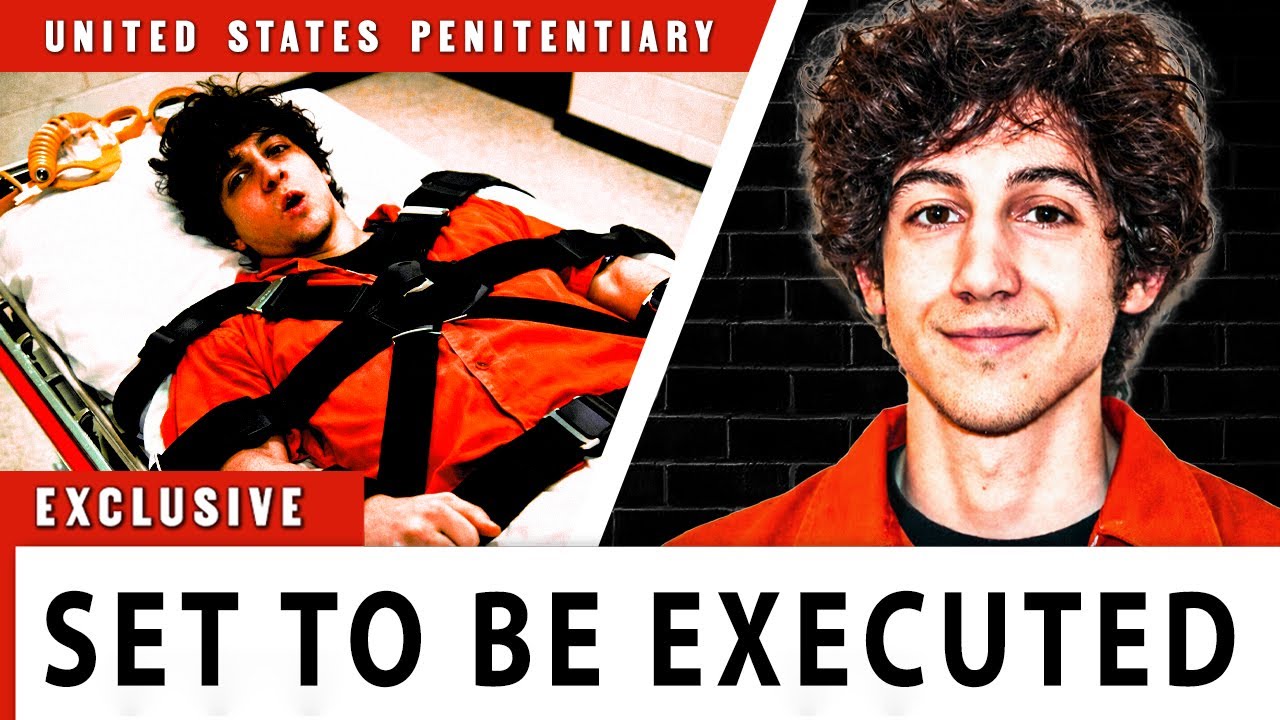
Fast forward to 2015, Dzhokhar was sentenced to death for his role in the bombings. Despite spending years on death row at ADX Florence, he has shown little remorse, offering only a hollow apology that victims dismissed as insincere. His family claims he was a good kid led astray by his older brother, raising questions about the true nature of his involvement.
 What drove these brothers to commit such an atrocity? Was Dzhokhar a mere pawn in Tamerlan’s radical agenda, or did he share in the responsibility? During interrogations, Dzhokhar reportedly inquired about his brother’s fate, hinting at a complex dynamic between them. As the investigation unfolded, it became evident that Tamerlan had been the ringleader, but the extent of Dzhokhar’s complicity remains a topic of debate.
The Tsarnaev brothers’ journey from their immigrant roots to radicalization is a troubling tale. Born in Kyrgyzstan, their family sought asylum in the U.S. amid fears of persecution. Yet, as they settled in Cambridge, Massachusetts, old grievances and new tensions began to intertwine, leading to a tragic transformation.
Dzhokhar’s early years appeared typical; he excelled in school and was well-liked among peers. However, beneath the surface, signs of radicalization began to emerge. His social media activity included sharing extremist content, and his academic performance suffered as he became increasingly detached from his studies.

Tamerlan’s radicalization accelerated after a trip to Dagestan, where he reportedly immersed himself in extremist ideologies. He returned home with a renewed sense of purpose, and together with Dzhokhar, they began plotting the Boston Marathon attack, viewing it as a means to express their grievances against the United States.
As the investigation progressed, the FBI received tips about Tamerlan’s extremist leanings, but initial inquiries failed to yield actionable results. The brothers’ preparation for the attack included stockpiling materials for homemade bombs, a chilling reminder of how quickly resentment can escalate into violence.
 After their capture, Dzhokhar faced a lengthy trial, where he was found guilty on all counts, including the use of weapons of mass destruction. His death sentence was confirmed in 2015, but the case has since sparked ongoing debates about justice, radicalization, and the complexities of their actions.
Now, as Dzhokhar serves his time on death row, the impact of his crimes continues to resonate. The Boston Marathon bombing has left scars on the community, prompting discussions about security, resilience, and the factors that can lead individuals down a path of violence.
What lessons can be learned from this tragic chapter in American history? How do we prevent future acts of terror while addressing the underlying issues of radicalization? The conversation is far from over, and the echoes of that fateful day still linger.