Ethiopian Monastic Traditions, Ancient Manuscripts, and the Enduring Questions Surrounding Early Christianity
For centuries, Ethiopia’s remote monasteries have preserved some of the world’s oldest Christian manuscripts. Their isolation, unique biblical traditions, and rich religious heritage continue to inspire fascination among historians, theologians, and scholars seeking to understand the diverse history of Christianity.
Perched atop a sheer sandstone cliff in northern Ethiopia, the ancient monastery of Debre Damo appears almost suspended between earth and sky.
Accessible only by climbing a long leather rope attached to the cliff face, the monastery has remained one of the most isolated religious communities in the Christian world for more than a thousand years.
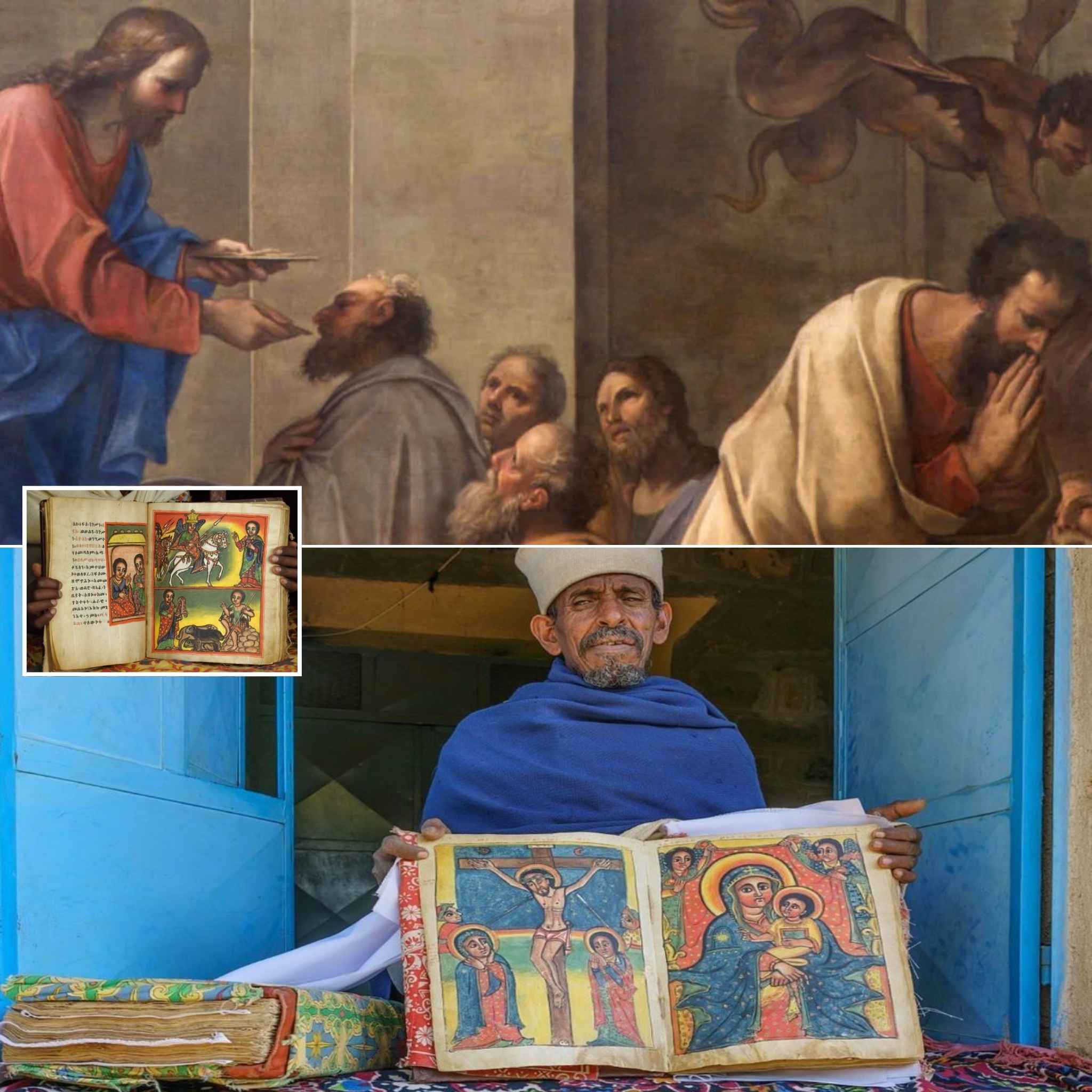
Its monks live much as their predecessors did centuries ago—following a rhythm of prayer, study, manual labor, and devotion. Hidden behind its stone walls are libraries containing manuscripts copied by hand across generations, preserving traditions that stretch back to some of the earliest centuries of Christianity.
For many people outside Ethiopia, these monasteries seem almost timeless.
Yet they occupy an important place in the history of one of the world’s oldest Christian traditions: the Ethiopian Orthodox Tewahedo Church.
In recent years, documentaries, online videos, and popular media have increasingly focused on Ethiopia’s religious heritage. Many have highlighted stories of ancient manuscripts, isolated monks, and long-preserved traditions, often presenting them as evidence of hidden teachings or forgotten histories.
While some of these claims venture into speculation, the reality of Ethiopia’s Christian heritage is remarkable enough on its own.
The country’s monasteries, manuscripts, and religious traditions offer a unique window into the development of Christianity beyond the boundaries of the Roman Empire.
Christianity Comes to Ethiopia
Ethiopia possesses one of the oldest continuous Christian traditions in the world.
According to historical records, Christianity became established in the Kingdom of Aksum during the fourth century A.D.
At the time, Aksum was one of the most powerful states in Africa, controlling important trade routes connecting the Mediterranean, Arabia, and the Indian Ocean.
The conversion of King Ezana in the fourth century transformed the kingdom’s religious landscape.
Christianity gradually became the state’s official faith.
Churches were built.
Monastic communities emerged.
Religious literature was translated into local languages.
Over the following centuries, Ethiopian Christianity developed many distinctive characteristics while remaining connected to broader Christian traditions throughout the Near East.
Unlike many Christian communities elsewhere, Ethiopian churches were often separated from Europe by geography, politics, and distance.
This relative isolation allowed certain traditions to develop along their own unique path.
A Tradition of Manuscript Preservation
One of Ethiopia’s most significant contributions to world history is its preservation of ancient manuscripts.
For centuries, monks painstakingly copied religious texts by hand onto parchment made from animal skins.
These manuscripts were written primarily in Ge’ez, an ancient Semitic language that remains the liturgical language of the Ethiopian Orthodox Church.
Thousands of such manuscripts survive today.
Many are housed in monasteries that remain active religious centers.
Others have found their way into museums, universities, and libraries around the world.
Some Ethiopian manuscripts rank among the oldest surviving Christian books known to scholars.
These texts provide valuable evidence for understanding how Christianity developed across different regions of the ancient world.
They also preserve traditions, commentaries, and writings that are less familiar to many Western readers.
The Ethiopian Biblical Tradition
One aspect of Ethiopian Christianity that frequently attracts attention is its biblical canon.
The Ethiopian Orthodox Church recognizes a broader collection of sacred texts than many Western Christian traditions.
While most Protestant Bibles contain 66 books and Catholic Bibles include additional deuterocanonical texts, the Ethiopian biblical tradition preserves an even larger collection of writings.
Among the most famous are:
- The Book of Enoch
- The Book of Jubilees
- Several additional religious texts preserved in Ge’ez
This has sometimes led to sensational claims that Ethiopia possesses a “secret Bible.”
In reality, these texts have been known to scholars for centuries.
Many survive because Ethiopian communities continued preserving them after they disappeared from common use elsewhere.
The Book of Enoch is a particularly notable example.
Although it was influential among some Jewish and early Christian communities, it was eventually excluded from most biblical canons outside Ethiopia.
Its survival in Ethiopian manuscripts has provided historians with valuable insight into ancient religious thought.
Monasteries in the Mountains
Throughout Ethiopian history, monasteries have served not only as religious centers but also as repositories of knowledge.
Many were built in remote locations.
Some stand atop mountains.
Others occupy caves or cliff faces.
Their isolation helped protect manuscripts and traditions during periods of political turmoil.
Debre Damo remains one of the most famous examples.
Founded in the sixth century, the monastery is renowned for both its age and its dramatic location.
For generations, visitors have climbed the monastery’s rope ascent to reach its plateau.
Life inside follows a disciplined routine centered on prayer, study, and communal worship.
Such monasteries played a crucial role in preserving Ethiopian literature, history, and theology.
Without them, many ancient texts might have disappeared.
The Question of Hidden Teachings
Stories frequently circulate claiming that Ethiopian monks preserved secret teachings of Jesus that were suppressed elsewhere.
These narratives have become especially popular in online videos and speculative documentaries.
Historians approach such claims cautiously.
While Ethiopian manuscripts contain important religious writings, there is no verified evidence that they preserve previously unknown teachings directly attributed to Jesus that were intentionally hidden from the wider Christian world.
Instead, scholars view Ethiopian texts as part of a broader tradition of ancient Christian literature.
Some writings emphasize themes also found in early Christian monasticism:
- Spiritual discipline
- Personal prayer
- Inner transformation
- Moral self-examination
- Direct relationship with God
These themes appear throughout Christian history and are not unique to Ethiopia.
What makes the Ethiopian tradition distinctive is the continuity with which these ideas have been preserved.
Ethiopia and the Ark of the Covenant
Perhaps no subject has generated more fascination than Ethiopia’s connection to the Ark of the Covenant.
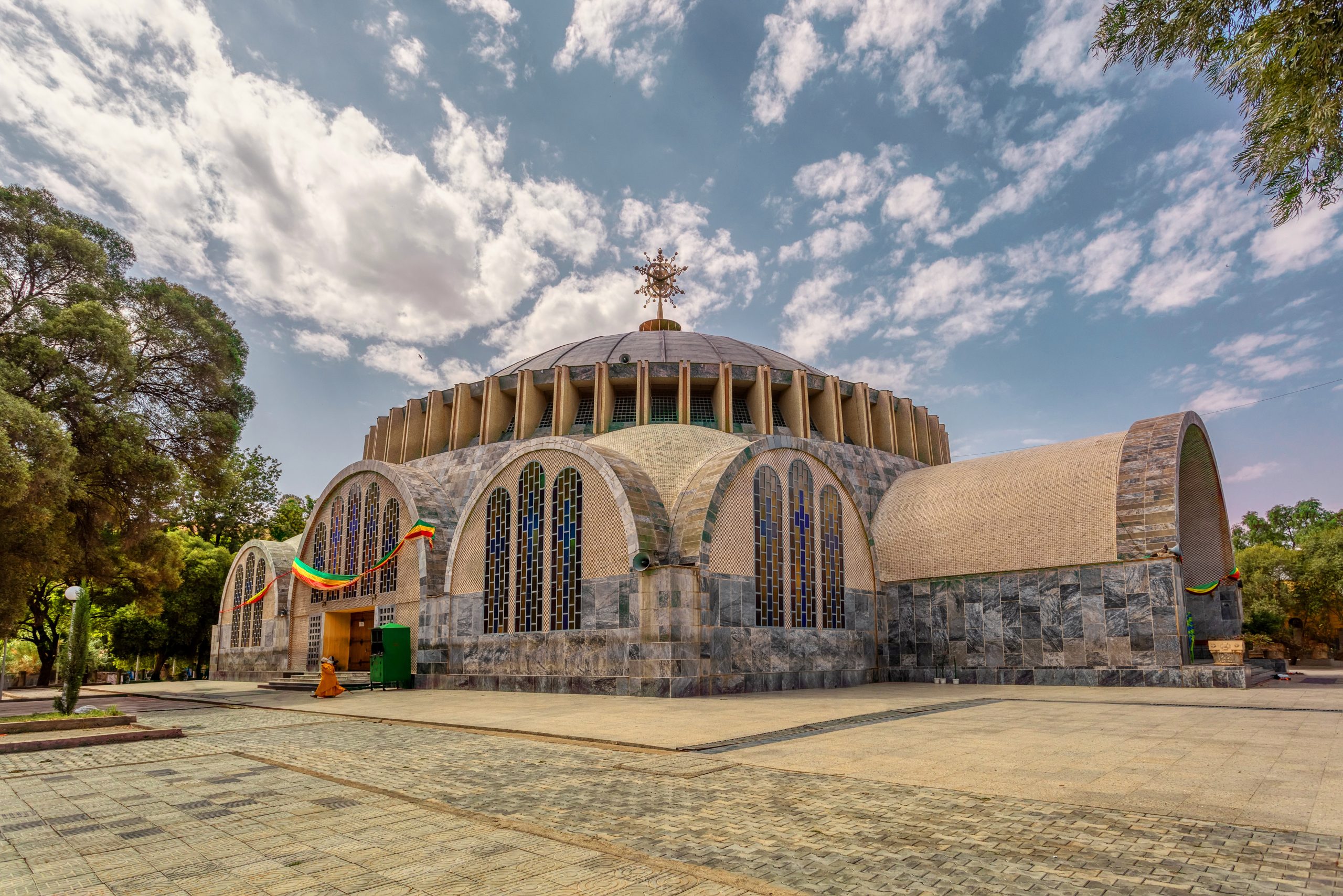
According to Ethiopian tradition, the Ark resides in the city of Aksum within the Church of Our Lady Mary of Zion.
The story is recorded in the Kebra Nagast, a medieval Ethiopian text that occupies a central place in the country’s historical and religious traditions.
According to this narrative, the Ark was brought from Jerusalem to Ethiopia during ancient times.
The claim has inspired centuries of debate.
No independent archaeological evidence has verified the Ark’s presence in Ethiopia.
At the same time, the tradition remains deeply significant within Ethiopian religious culture.
For believers, the importance of the Ark lies not primarily in archaeological proof but in its spiritual meaning.
The tradition reflects Ethiopia’s longstanding connection to biblical history and sacred identity.
The Legacy of Aksum
The Kingdom of Aksum played a crucial role in shaping Ethiopia’s religious identity.
Between the first and seventh centuries A.D., it emerged as one of the great powers of the ancient world.
Its rulers issued coins.
Its merchants traded across continents.
Its monuments included towering stone stelae that remain among Africa’s most impressive ancient structures.
The adoption of Christianity transformed Aksum’s cultural landscape.
Churches, monasteries, and schools became centers of learning.
Religious literature flourished.
Connections with Egypt, Syria, and other Christian regions encouraged the exchange of ideas.
This environment helped create the rich intellectual tradition that survives in Ethiopian monastic libraries today.
Lalibela and Sacred Architecture
Another symbol of Ethiopian Christianity is the town of Lalibela, famous for its rock-hewn churches.
Constructed during the medieval period, these remarkable buildings were carved directly into solid stone.
Rather than assembling structures from blocks, builders removed rock to create entire churches within the landscape itself.
The eleven churches of Lalibela remain active places of worship.
Their engineering continues to impress historians, architects, and archaeologists.
The site reflects the creativity and determination of Ethiopian builders, as well as the importance of religion in medieval Ethiopian society.
For many pilgrims, Lalibela serves as one of the most sacred destinations in Africa.
Why Ethiopian Christianity Continues to Fascinate Scholars
The enduring fascination with Ethiopian Christianity stems from several factors.
First, it preserves traditions that developed independently from many European churches.
Second, its manuscript collections provide valuable historical evidence.
Third, its monasteries offer a rare example of long-term cultural continuity.
These characteristics make Ethiopia an important subject of study for historians and theologians alike.
Yet the most remarkable aspect of Ethiopian Christianity may not be hidden manuscripts or mysterious legends.
It is the survival of a living tradition.
For more than sixteen centuries, generations of monks, priests, scholars, and believers have maintained practices that connect the present to the distant past.
A Heritage of Preservation
Stories about secret teachings and hidden knowledge often attract attention because they promise dramatic revelations.
The reality is often more complex—and more interesting.
Ethiopia’s contribution to Christian history lies not in proving conspiracy theories or overturning established scholarship.
Instead, it lies in preservation.
Its monasteries safeguarded manuscripts.
Its communities maintained ancient liturgical traditions.
Its scholars copied texts that might otherwise have disappeared.
As researchers continue studying Ethiopian collections, they are uncovering new information about the development of Christianity, biblical literature, and ancient religious thought.
The questions raised by Ethiopia’s monastic heritage are therefore not about hidden doctrines waiting to overturn history.
They are about how cultures preserve knowledge, how traditions endure across centuries, and how diverse the history of Christianity has always been.
Far from revealing a forgotten version of the faith, Ethiopia’s ancient monasteries remind us that Christianity has never been a single story told from a single place.
It has always been a global tradition shaped by many voices, many communities, and many histories.
Among those voices, the monasteries of Ethiopia remain some of the oldest and most enduring.