In interviews reflecting on The Passion of the Christ, Gibson has described how filming the brutal final hours of Jesus’ life was not just a technical challenge but an emotionally and spiritually demanding process for himself and many on set. He has talked about the physical hardships experienced during production and the profound effect it had on some cast and crew, including the well‑documented incident where actor Jim Caviezel was struck by lightning while filming, an event that sparked discussion about how deeply involved people became in the story they were portraying.
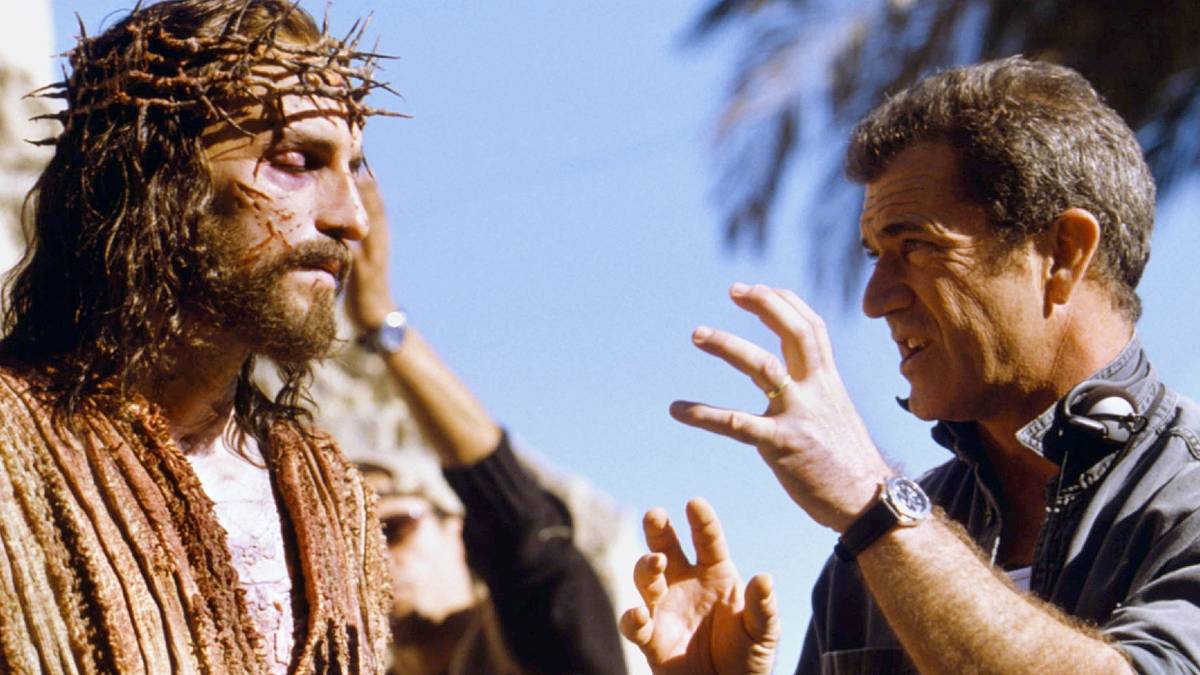
Gibson has also acknowledged that the subject matter — the suffering and sacrifice depicted in the Gospels — demanded serious preparation, and he sought spiritual grounding and prayer support during the project. This included visits from priests and a focus on prayer on set.
Some members of the crew reported unusual on‑set experiences, such as unexplained equipment malfunctions or intense emotional reactions during key scenes, reflective of the heavy thematic material rather than verified supernatural events.
While sensational accounts sometimes circulate online suggesting spiritual attacks or mystical interference, there is no independently verified evidence of supernatural forces acting during filming. What is clear from Gibson’s own remarks and behind‑the‑scenes accounts is that the film’s intensity, the physical demands of the scenes, and the emotional weight of the subject matter made the production particularly intense and memorable for those involved.

Jim Caviezel himself has spoken about how deeply portraying Jesus affected him, describing visceral physical strain and spiritual reflection during the crucifixion sequences, even expressing personal spiritual experiences tied to his performance.
Overall, Gibson’s reflections focus on the profound impact of telling a story rooted in deeply held religious tradition and human suffering, emphasizing the seriousness and commitment required rather than attributing production difficulties to mystical forces.


