Pirate Shipwrecks Discovered in the Bahamas Offer New Evidence of the Caribbean’s Golden Age of Piracy
Archaeologists exploring the waters around Nassau, Bahamas, have uncovered several shipwrecks linked to the Golden Age of Piracy, providing rare physical evidence of the real pirates who once transformed the Caribbean into one of the most lawless regions of the Atlantic world.
For centuries, the stories of Caribbean pirates have occupied a unique place in popular imagination.
Figures such as Blackbeard, Calico Jack Rackham, Anne Bonny, and Henry Every have become legendary through novels, films, and television series. Their exploits inspired countless tales of buried treasure, naval battles, and daring escapes across tropical seas.
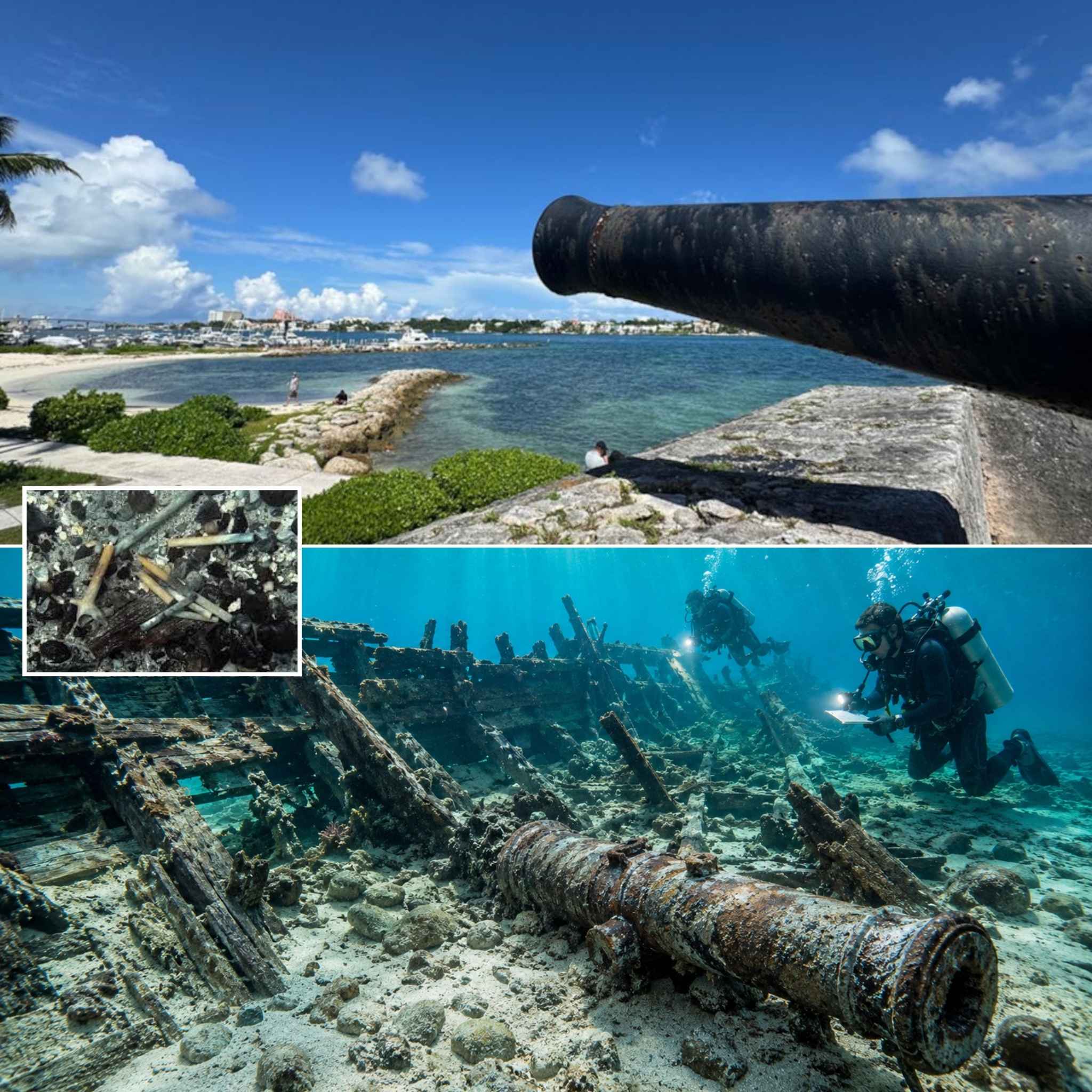
Yet despite their fame, surprisingly little direct archaeological evidence of Nassau’s pirate era had ever been discovered.
That situation is now beginning to change.
A recent underwater expedition in the Bahamas has uncovered several shipwrecks dating to the late seventeenth and early eighteenth centuries, when Nassau served as the unofficial capital of piracy in the Caribbean.
The discoveries include a burned wooden hull, cannons, musket balls, and other artifacts that offer new insight into the realities of pirate life during one of history’s most notorious maritime periods.
Far from the romantic image popularized by Hollywood, these wrecks reveal a harsher world shaped by violence, survival, trade, and political instability.
Exploring Nassau’s Hidden Underwater History
The discoveries were made during the New Providence Pirates Expedition, an archaeological project focused on locating and studying shipwrecks associated with Nassau’s pirate past.
The expedition was co-directed by marine archaeologist Dr. Sean Kingsley and Bahamian archaeologist Dr. Michael Pateman.
Researchers received rare permission to investigate restricted areas within Nassau Harbor and surrounding waters.
The project combined underwater surveys, historical research, and modern archaeological techniques to identify vessels dating to the period commonly known as the Golden Age of Piracy.
This era, spanning roughly from the 1690s through the 1720s, saw piracy flourish throughout the Caribbean and Atlantic world.
During this time, Nassau became one of the most important pirate strongholds anywhere in the world.
Located on New Providence Island, the settlement offered natural protection, strategic access to shipping routes, and weak government oversight.
As a result, it attracted hundreds of pirates seeking refuge from naval authorities.
Nassau: Capital of the Pirate World
By the early eighteenth century, Nassau had become synonymous with piracy.
The town was home to many of the era’s most famous sea captains.
Among them were:
- Blackbeard (Edward Teach)
- Calico Jack Rackham
- Anne Bonny
- Charles Vane
- Henry Every
- Black Sam Bellamy
Many historians describe Nassau during this period as a loosely organized pirate haven.
Although later writers popularized the idea of a “Republic of Pirates,” the reality was likely less formal.
Nevertheless, the settlement functioned as an important center where pirate crews could repair ships, recruit sailors, trade stolen goods, and avoid prosecution.
For several years, British authority over the Bahamas remained weak.
Pirates effectively controlled the region until the British Crown eventually reasserted its power and restored official governance in 1718.
The newly discovered shipwrecks date directly to this turbulent chapter of Caribbean history.
The Burned Hull Beneath the Harbor
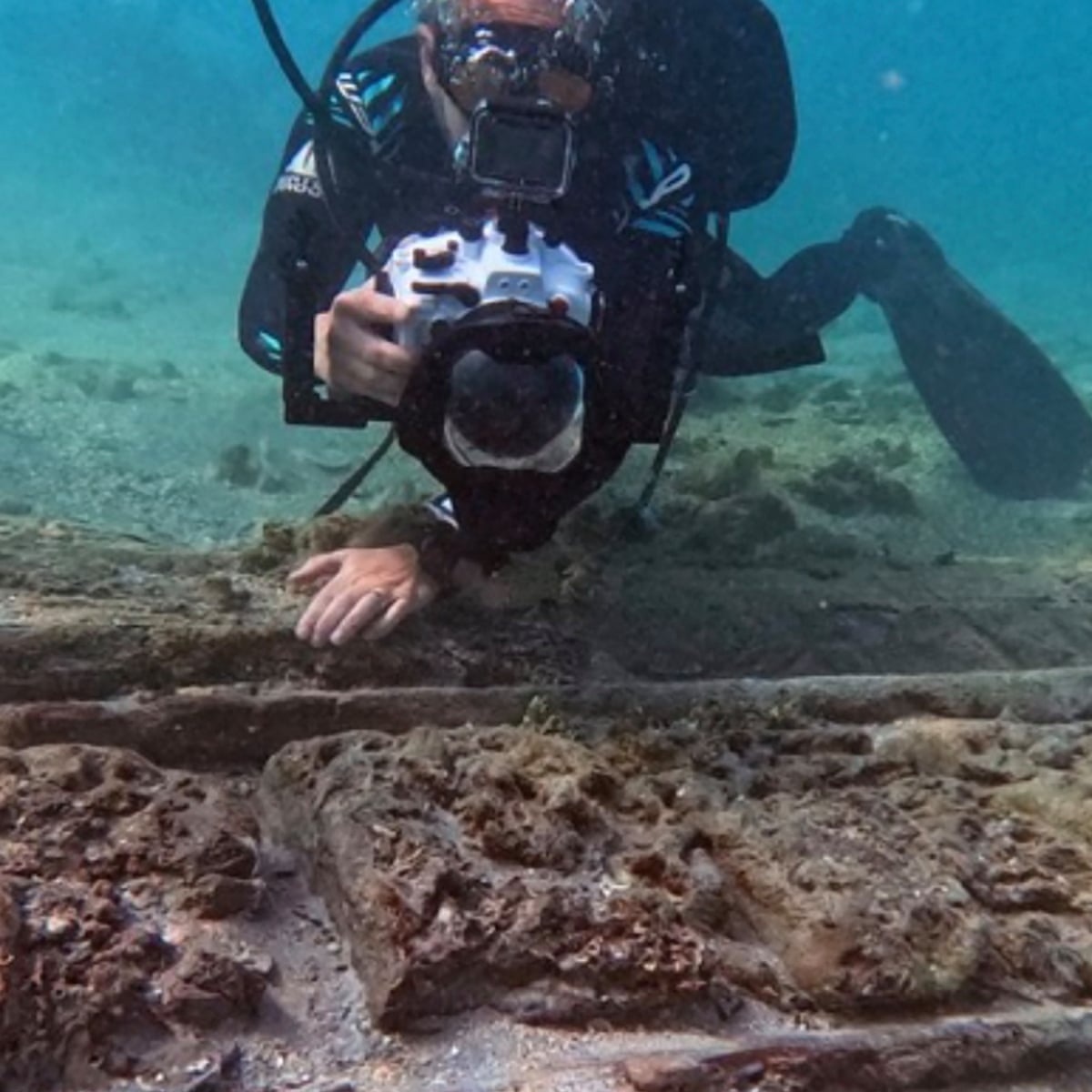
Perhaps the most significant discovery of the expedition was a heavily damaged wooden shipwreck located inside Nassau Harbor.
The remains consist primarily of a burned hull pinned beneath a layer of ballast stones.
Despite centuries underwater, archaeologists were able to identify important construction features.
The vessel’s planks were fastened using wooden treenails, a common shipbuilding method during the seventeenth and eighteenth centuries.
Even more striking were the signs of intense fire damage.
Researchers believe the ship may have been deliberately burned before sinking.
According to Dr. Pateman, such actions were not uncommon among pirates.
After capturing a vessel and removing valuable cargo, weapons, and equipment, pirates often destroyed the remaining hull to eliminate evidence of their crimes.
Burning a ship to the waterline ensured that authorities would have difficulty identifying its origin.
The Nassau wreck displays many of the characteristics associated with this practice.
Its location, age, and condition strongly suggest a connection to pirate activity.
Weapons of the Golden Age
Evidence recovered from the wreck indicates that it was heavily armed.
Particularly notable were signs that the vessel carried swivel guns, one of the most common weapons aboard pirate ships.
Unlike large naval cannons, swivel guns were relatively small and lightweight.
Mounted on rotating pivots, they could quickly be aimed at enemy crews during close-range engagements.
These weapons typically fired grapeshot, musket balls, or other projectiles designed to inflict maximum damage against personnel rather than ships.
For pirates, swivel guns offered several advantages.
They were:
- Easy to maneuver
- Effective during boarding actions
- Suitable for smaller vessels
- Devastating at close range
The discovery reinforces historical accounts describing how pirate crews relied on overwhelming firepower to intimidate and capture merchant ships.
Rather than sinking their targets, pirates generally preferred to force surrender and seize cargo intact.
Another Armed Vessel Emerges
The expedition uncovered additional evidence approximately 35 kilometers (22 miles) east of Nassau.
At this site, researchers located another heavily armed vessel.
Artifacts recovered included:
- Iron cannons
- Twenty-five lead musket balls
- A stone grinding wheel
The grinding stone may have been used to sharpen cutlasses, swords, and other edged weapons carried aboard ship.
Interestingly, archaeologists found little evidence of commercial cargo.
This absence suggests that the vessel may have functioned primarily as a warship rather than a merchant ship.
Combined with its weaponry, the evidence points toward a vessel engaged in combat or maritime raiding.
Although researchers cannot definitively identify the ship, its characteristics fit the type of vessels commonly associated with piracy during the period.
The Reality Behind Pirate Legends
Modern audiences often encounter pirates through fictional portrayals such as the Pirates of the Caribbean films.
These stories emphasize adventure, freedom, and treasure hunting.
Historical reality was often far less glamorous.
Many sailors entered piracy out of necessity rather than romance.
Life aboard merchant and naval vessels could be extremely harsh.
Crew members frequently endured:
- Poor wages
- Disease
- Dangerous working conditions
- Severe punishments
- Physical abuse
Flogging and harsh discipline were common aboard many ships.
Pirate crews offered an alternative.
Although piracy carried enormous risks, including execution if captured, it often promised better treatment and higher rewards.
Many pirate crews operated according to written agreements that distributed profits more equally among members.
Some even established compensation systems for sailors injured during combat.
These arrangements made piracy attractive to men seeking escape from oppressive conditions at sea.

A Shark-Guarded Discovery
One of the expedition’s more unusual discoveries occurred beneath an old bridge in Nassau Harbor.
The site presented a unique challenge.
A territorial bull shark had effectively claimed the area as its hunting ground.
Despite the danger, archaeologists successfully documented the remains of an English trading vessel dating to the 1740s.
The ship contained several well-preserved artifacts, including:
- Glass wine bottles
- Hull timbers
- Clay tobacco pipes
Many of the pipes carried the royal English motto:
“Dieu et Mon Droit” (“God and My Right”)
This phrase remains associated with the British monarchy today.
The artifacts provide evidence of Nassau’s transformation after the pirate era ended.
By the mid-eighteenth century, the settlement had evolved from a pirate haven into a legitimate trading port integrated into the British colonial system.
The End of Pirate Rule
The discovery of the trading vessel helps illustrate a broader historical transition.
In 1718, Britain appointed Woodes Rogers as governor of the Bahamas.
A former privateer, Rogers was tasked with suppressing piracy and restoring order.
His administration offered pardons to pirates willing to surrender while aggressively pursuing those who refused.
Over time, British control strengthened.
Many pirates accepted amnesty.
Others were captured, executed, or driven from the region.
Nassau gradually abandoned its reputation as a pirate sanctuary and developed into a commercial port serving imperial trade networks.
The 1740s shipwreck represents this new chapter in the island’s history.
Its cargo and artifacts reflect growing economic stability rather than lawlessness.
Why These Discoveries Matter
The newly discovered wrecks are important because physical evidence of piracy remains surprisingly rare.
Historical accounts describe pirate activities in great detail, but relatively few confirmed pirate shipwrecks have ever been identified.
Many vessels were destroyed, salvaged, or lost in locations that remain undiscovered.
As a result, archaeology plays a crucial role in separating fact from legend.
The Nassau shipwrecks provide direct evidence of:
- Pirate-era ship construction
- Maritime weaponry
- Harbor activity
- Trade networks
- Daily life during the Golden Age of Piracy
They help historians move beyond myths and better understand the people who participated in this complex maritime world.
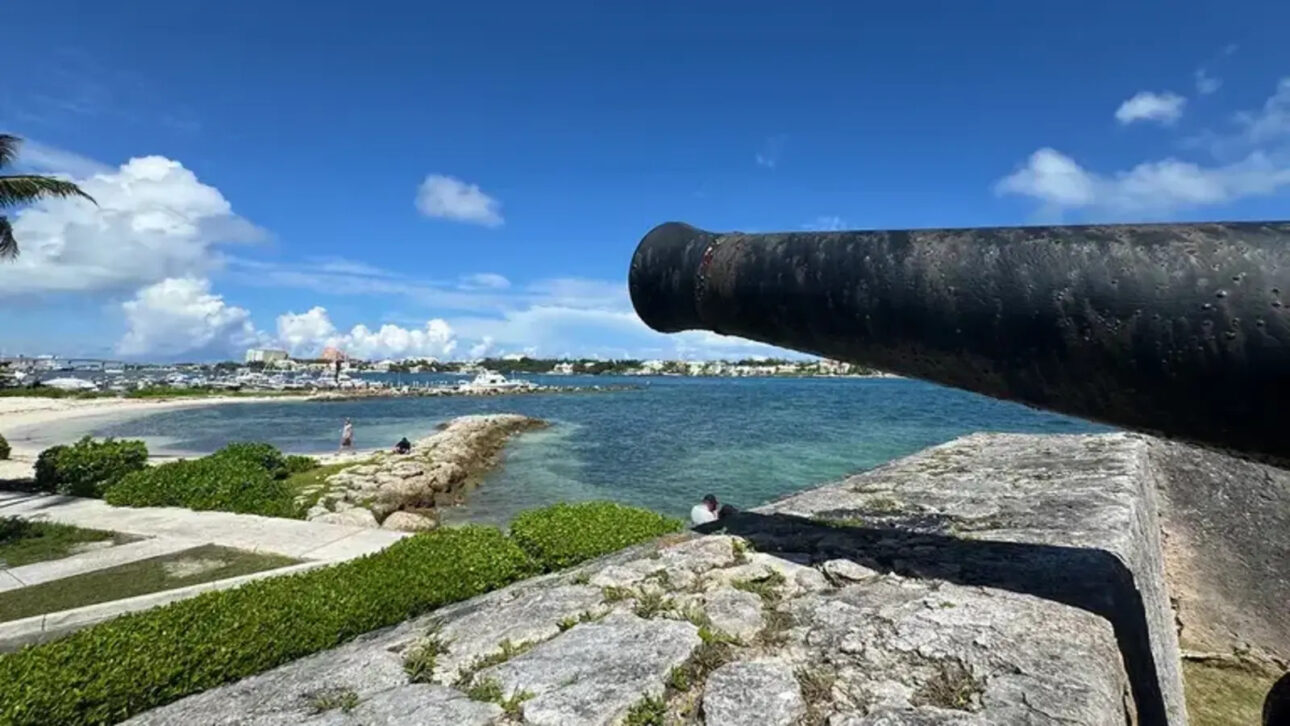
The Future of Underwater Research in Nassau
Researchers believe many more shipwrecks remain hidden beneath the waters surrounding Nassau.
Future expeditions are expected to employ advanced technologies, including:
- Underwater drones
- Sonar mapping
- Remote sensing equipment
- Digital reconstruction techniques
These tools may reveal additional vessels connected to piracy, trade, and colonial expansion.
Beyond archaeology, the discoveries also have cultural significance for the Bahamas.
Piracy remains one of the country’s most recognizable historical themes.
New archaeological evidence provides an opportunity to present a more accurate understanding of that past while supporting heritage tourism and public education.
History Rising From the Seafloor
For centuries, Nassau’s pirate era has existed primarily through stories.
Legends of Blackbeard, Anne Bonny, and Henry Every have inspired generations of readers, filmmakers, and historians.
Now, the seabed is beginning to provide its own testimony.
The burned hulls, cannons, musket balls, and trading artifacts uncovered by the New Providence Pirates Expedition offer a rare glimpse into a world that once dominated the Caribbean.
These discoveries remind us that behind every pirate legend stood real people navigating a dangerous and rapidly changing Atlantic world.
As archaeologists continue their investigations, more of that forgotten history may emerge from the depths.
And with each new wreck, the line between myth and reality becomes a little clearer, revealing the true story of Nassau’s extraordinary age of piracy.