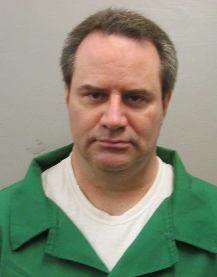
Stephen Christopher Stanko was executed by the State of South Carolina on June 13, 2025, after spending approximately twenty years on death row for a series of violent crimes that left two people dead and one survivor permanently marked by the attack. His execution brought to a close one of the state’s most notorious capital murder cases, a prosecution that involved multiple crime scenes, a nationwide manhunt, and years of appeals through state and federal courts.
The case began in 2005 when authorities discovered the body of Laura Ling at her home in Horry County, South Carolina. Prosecutors alleged that Stanko murdered Ling, with whom he had been in a relationship, before attacking her teenage daughter. According to court records, the daughter survived despite suffering severe injuries and was able to contact emergency services, providing investigators with critical information that helped launch the search for Stanko.
 As law enforcement agencies searched for him, authorities alleged that Stanko traveled to North Carolina, where he later murdered Henry Lee Turner. Prosecutors argued that Turner had been targeted during a separate violent encounter while Stanko was attempting to avoid capture. The additional killing expanded the investigation and increased public concern as authorities pursued a suspect wanted for multiple violent crimes across state lines.
The manhunt ended when law enforcement officers located and arrested Stanko. Investigators subsequently gathered evidence from both crime scenes and prepared prosecutions related to the murders and assault. Court proceedings that followed revealed extensive details about the crimes, leading prosecutors to seek the death penalty.
Jurors ultimately convicted Stanko in connection with the South Carolina murder case and imposed a death sentence. Over the following two decades, his attorneys pursued numerous appeals through state and federal courts, challenging various aspects of the conviction and sentence. As is common in capital cases, the appellate process included extensive review of trial records, legal claims, and constitutional arguments.
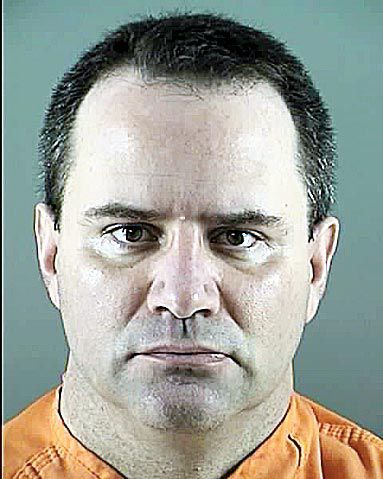
Despite those efforts, courts repeatedly upheld the conviction and death sentence. In the years before his execution, Stanko continued pursuing legal remedies while prosecutors maintained that the verdict had been thoroughly reviewed and remained legally sound. Eventually, all remaining appeals were exhausted, and South Carolina officials scheduled the execution.
On June 13, 2025, South Carolina carried out the death sentence. Witnesses observed the execution as required under state procedures, bringing formal legal closure to a case that had remained active in the courts for nearly twenty years. Reports following the execution noted that Stanko delivered a final statement before the sentence was carried out.
 The case continues to be remembered because of the brutality of the crimes, the survival of a key witness whose actions helped investigators locate the suspect, and the lengthy legal process that followed. Supporters of the sentence argued that justice had finally been served for the victims and their families after decades of litigation. Opponents of capital punishment pointed to broader concerns regarding the death penalty itself, while acknowledging the severity of the crimes involved.
Today, the Stephen Christopher Stanko case remains one of South Carolina’s most significant modern capital murder prosecutions. More than twenty years separated the crimes from the execution, illustrating both the complexity of death penalty litigation and the enduring impact that violent crimes can have on victims, families, investigators, and communities long after the original events have occurred.